



























Buying guide
Electric scooter – a wide range of e-scooters for commuting, city and adventure
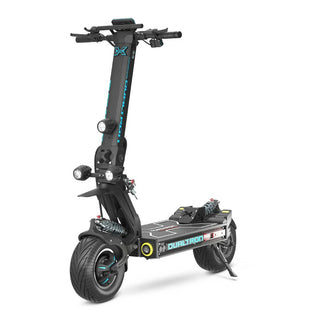
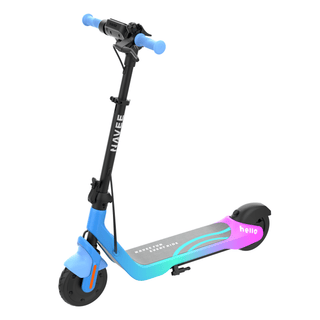
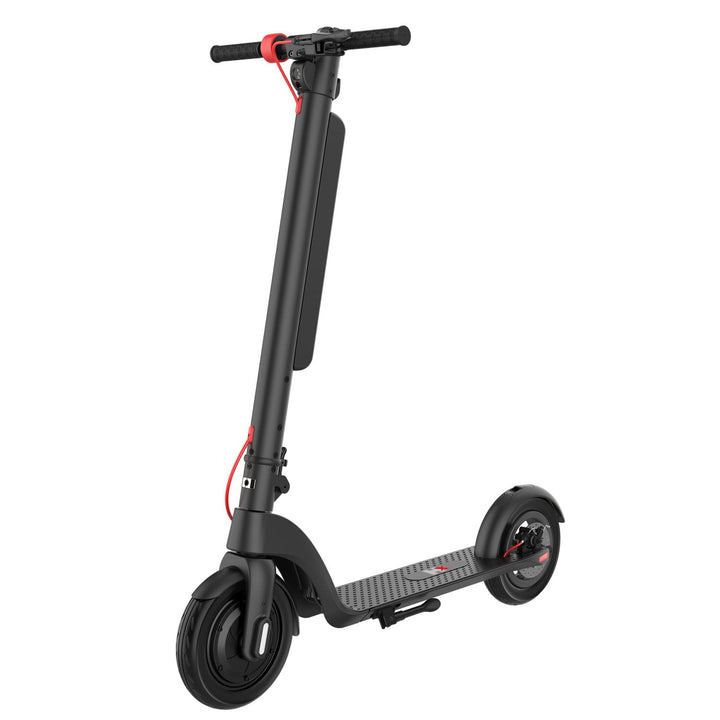
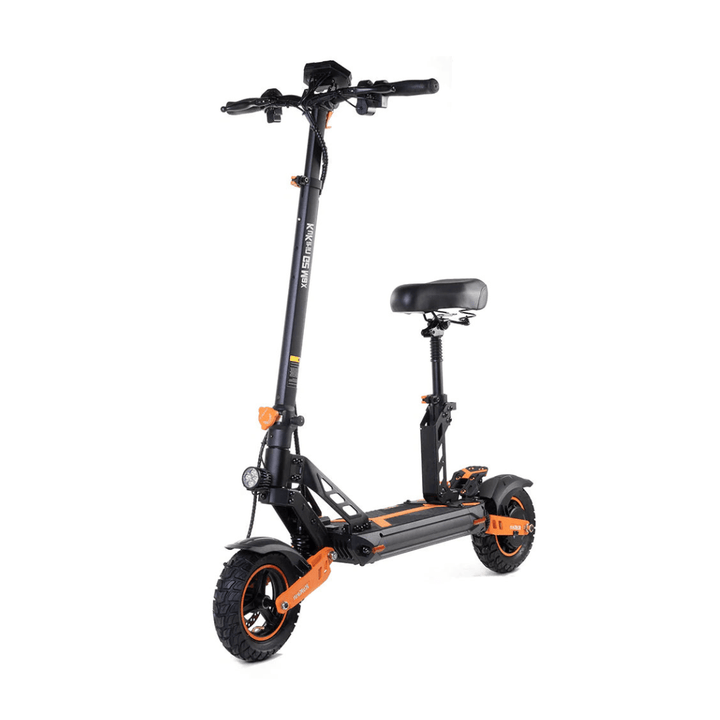
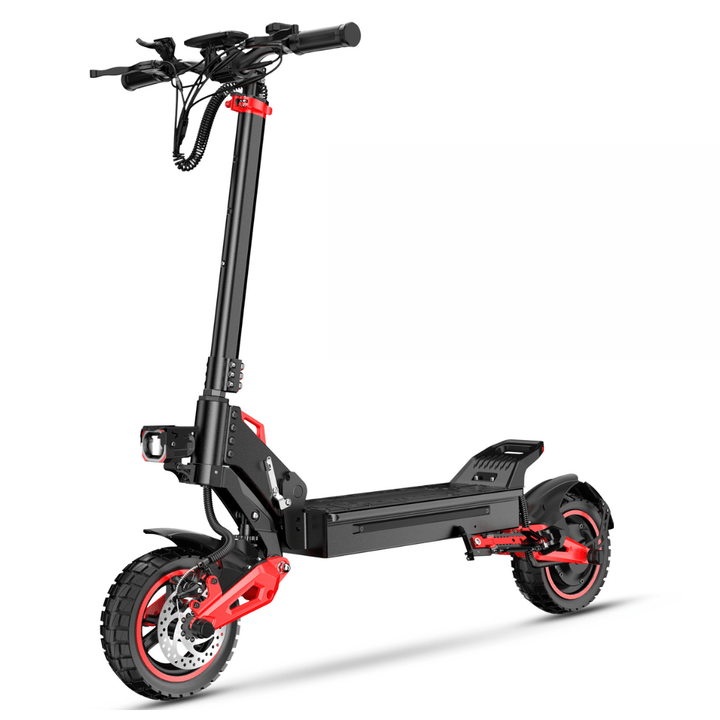
Wheelyshop offers one of Europe's widest ranges of electric scooters – from nimble city models under 20 kg to powerful off-road and long-range scooters with dual motors. Compare range, motor power, weight and tyres directly in the filter, choose from brands like Ninebot, Xiaomi, KuKirin, NAVEE and Kaabo, and find the right model for your journey. Every electric scooter ships with free delivery, a 2-year warranty (in addition to your statutory rights) and the option to pay in instalments.
In short
- Start with your journey: return distance, hills, surface, storage and whether the scooter must be carried or loaded into a car.
- Check the exact version – rules for speed, continuous rated power and approval differ between markets and variants.
- Choose range with a margin: the stated range is a test value, not a promise for cold days and hills.
- Weight, folded dimensions, tyres, suspension and brakes often matter more in daily use than top speed.
- Compare the last two candidates on the same data and pick the one that fits your journey, storage and servicing best.
How to choose the right electric scooter
A broad range is easier to navigate when you start with practical limits rather than maximum performance. Note the normal journey distance, hills and uneven surfaces, where the scooter will be stored and whether stairs, a car or public transport form part of the trip. You can then remove models that are too heavy, too large or in the wrong vehicle class before comparing prices. Wondering whether an e-bike would suit you better? Read our scooter vs e-bike comparison.
1. Electric scooter on public roads – check version and rules
The model name alone does not always identify the rules that apply. Speed version, continuous rated power, throttle or assistance function, construction and approval can differ between regions and variants. Check the documentation for the exact market version and consult Your Europe’s country-by-country road-rules overview before riding on public roads. A slower riding mode, an app setting or a similar model name does not by itself change the vehicle’s construction or legal status.
2. Electric scooter range – allow a practical margin
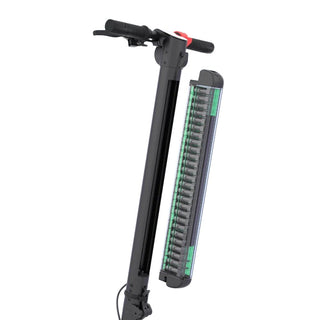
The stated range is a comparison under the manufacturer's test conditions, not a guarantee for every trip. Temperature, rider weight, tyre pressure, speed, accelerations, hills and surfaces affect the outcome. Assume a return trip between charges and choose a reasonable margin for cold days and battery ageing. Also compare charging time and whether charging can take place where the vehicle is normally stored; a large battery helps less if it makes everyday charging impractical. Tyre pressure, speed and charging habits all matter – see our guide on how to increase your range.
3. Light or powerful electric scooter – weight and folded size
A folding electric scooter is not necessarily easy to carry. Check before you buy:
- Total weight – and where the carrying point is.
- Folded dimensions – length and height, and whether the handlebars still take up space.
- The spaces it must pass – lift, storage room, car boot or the space under the desk.
- Stairs – if a flight of stairs is part of every trip, a few kilos and a good grip may matter more than extra battery.
4. Tyres, suspension and brakes – match the e-scooter to the surface
Larger air-filled tyres and suspension can provide more comfort on joints and uneven asphalt, but affect weight, dimensions and maintenance. Pneumatic tyres need the correct pressure and can be punctured; solid tyres reduce that kind of maintenance but can provide a firmer ride. Braking systems must be compared together with the vehicle's weight and intended use. Check the type of brake, need for adjustment and availability of wear parts in the product information rather than assuming that a particular brake name alone makes a model the best.
5. Electric scooter for adults in daily use – fit and ownership
Handlebar height, deck space, recommended rider height and maximum load must suit the rider. Maximum load is a technical limit, not a comfort rating, and luggage counts towards the total. Also check lighting, reflectors, the warning device, mudguards and whether common wear parts can be identified. For an existing model, use the spare-parts portal as a starting point; always match the model name, generation, dimensions and connector before ordering.
Shortcuts: electric scooter with seat, long range, off road and kids
For a smaller editorial selection, start with the electric-scooter comparison. The electric-scooter sale shows models that currently meet the promotional conditions, but the choice should still be based on intended use and specifications. Browse electric-scooter accessories for related equipment and verify the fit and compatibility with the exact model.
The right electric scooter for you – compare the last two candidates
When only two candidates remain, record the same information for both:
- Full model name and regional version
- Continuous rated power and top speed
- Total weight and folded dimensions
- Stated range and charging time
- Tyres, brakes and maximum load
Mark missing information instead of guessing. The model with the highest figure is not automatically the right one – choose the combination of limits and features that works for your journey, storage and service plan.
Frequently asked questions
How much range does an electric scooter have, and how much do I need?
Calculate a normal return journey between charges and add margin for cold weather, hills, load and battery ageing. Treat the stated figure as comparison data, not a guaranteed outcome.
Can I ride an electric scooter in the bike lane?
In most European countries an e-scooter belongs in the bike lane where one exists, otherwise on the road – never on the pavement. Speed limits, minimum age and approval requirements differ by country, so check the national rules before riding on public roads.
Do I need a helmet on an electric scooter, and is there an age limit?
Rules vary by country, but a helmet is always recommended – a scooter is faster than it feels. Check the minimum age where you ride, and choose a model that suits the rider's height, weight and experience.
Can I ride an electric scooter in winter?
Yes, with the right preparation. Expect shorter range in the cold, charge the battery indoors and check tyre pressure and brakes more often. Choose a model with a good IP rating and rinse off salt and slush after riding.
How do I find spare parts for my electric scooter?
Match the full model name, generation, dimensions and connector. Ask before ordering when any of those details is missing.