







Buying guide
E-bike battery cover and e-scooter guard – choose the right type
A soft sleeve around a bicycle battery, a steel plate beneath a scooter and a battery-compartment seal serve different purposes. Start with the part you need to protect. Shape, mounting points and the exact version matter more than a similar-looking product photo.
In short
- Soft sleeves, stainless-steel guards and sealing gaskets are different types of component.
- For an e-bike battery cover, compare the battery shape, dimensions and required openings.
- For a scooter, check the exact model, screw pattern and original cover construction.
- An extra cover is not proof of waterproofing, crash protection or increased range.
Buying guide: e-bike battery cover and scooter protection
Choosing a soft e-bike battery cover
A neoprene or SBR sleeve wraps around the battery or frame area. Check whether it is intended for an external battery or one integrated into the frame. Compare the complete shape, length and circumference with the product details. Hook-and-loop fastening or an elastic edge does not make a sleeve universally compatible. Openings must suit the mount, lock, indicator and connections. A battery-family name is not enough without the correct size and version.
Stainless-steel protection beneath a scooter
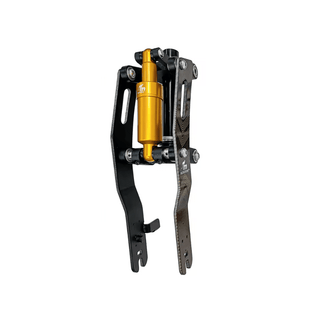
An additional steel plate provides mechanical protection around the underside of the battery compartment. It has a different purpose from a soft bicycle sleeve or sealing gasket. Match the model version, outline and screw holes before fitting. Check whether the plate sits over the original cover; do not assume it replaces it. Follow the instructions for the specific part. A guard does not make impacts against kerbs or other hard objects harmless.
Battery-compartment sealing gasket
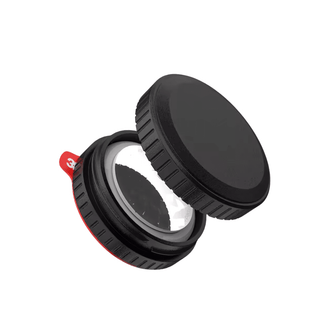
The gasket sits at the joint between the cover and chassis. Its shape, hole pattern and mating surfaces must match. A seal is a replacement component, not a reinforcement plate or crash guard. Inspect the cover and chassis too: a new gasket does not automatically compensate for a bent or damaged part. Follow the model's service instructions and seek competent help if fitting requires opening the battery compartment.
E-bike battery cover fit and care
Check that the sleeve and fastenings remain secure without trapping cables or preventing the battery from locking correctly. Dirt and moisture can still collect underneath, so inspect and clean it as instructed. Follow the battery and vehicle manufacturer's guidance on temperature, charging and storage. An insulating sleeve does not replace those instructions or guarantee extra range. If charging with the sleeve fitted is not covered by the instructions, check before doing so.
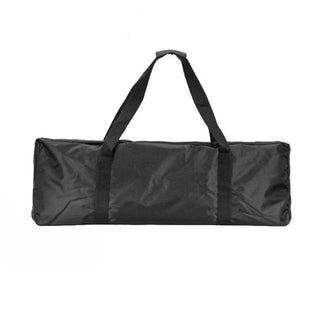
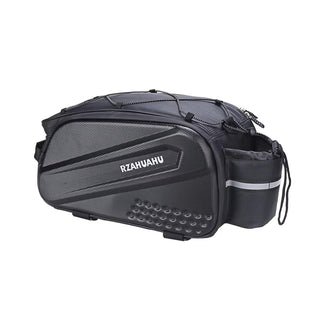
Find other external covers under vehicle protection. A separate bag for carrying a removed battery belongs in transport and storage bags.
Frequently asked questions
Which e-bike battery cover fits my battery?
Check the battery position, exact shape and dimensions, plus the sleeve fastening. The lock, indicator and connections must remain usable as instructed. A similar photo or matching battery-family name does not prove compatibility.
Is an e-bike battery cover waterproof?
Do not assume so. Material, seams, openings and fitting affect protection. Adding a sleeve or gasket does not prove that the whole vehicle is waterproof or has a new IP rating.
Do I need an e-bike battery cover in winter?
It depends on the battery, the sleeve's intended use and manufacturer guidance. An insulating model may be intended for cold weather, but it does not replace correct charging and storage. No particular range or longer service life is guaranteed.
What is the difference between a guard, a battery cover and a seal?
A guard adds mechanical protection, the compartment cover closes the battery housing, and the gasket seals the joint. They are not interchangeable. Check which part is replaced or supplemented and what the package contains.