

























Buying guide
NAVEE electric scooter – all series and models at Wheelyshop
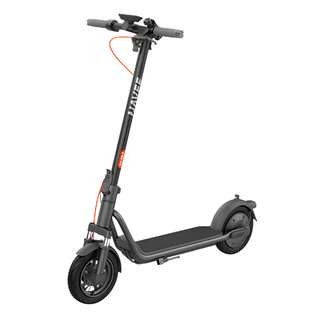
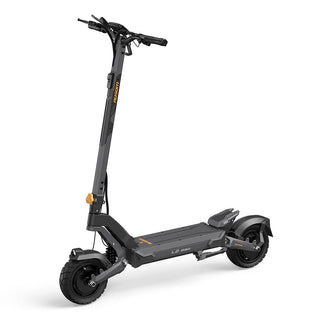
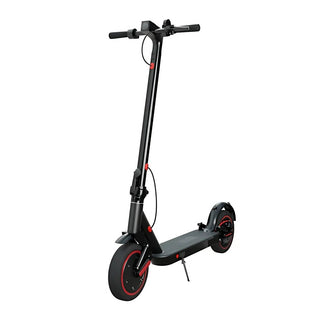
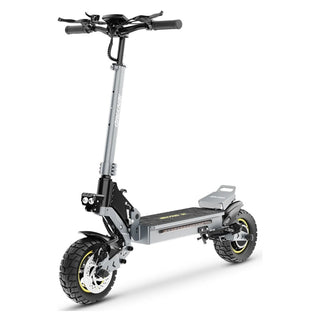
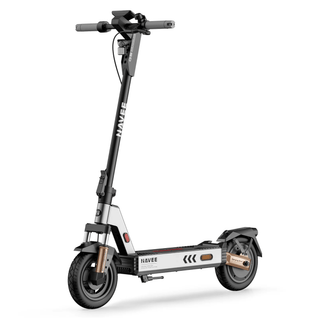
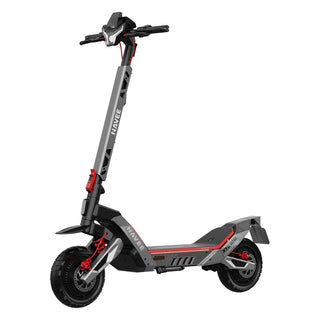
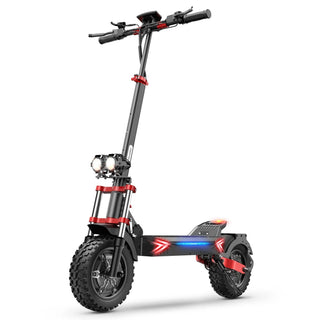
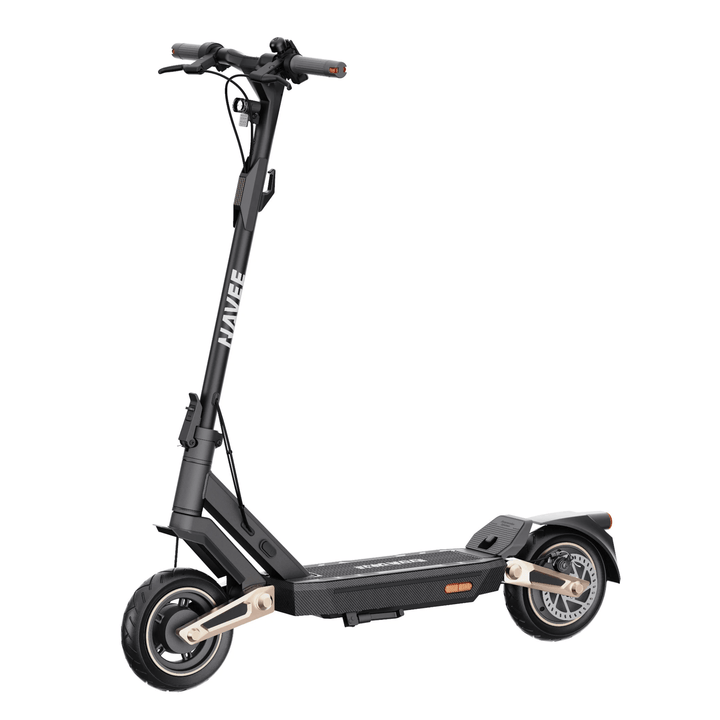
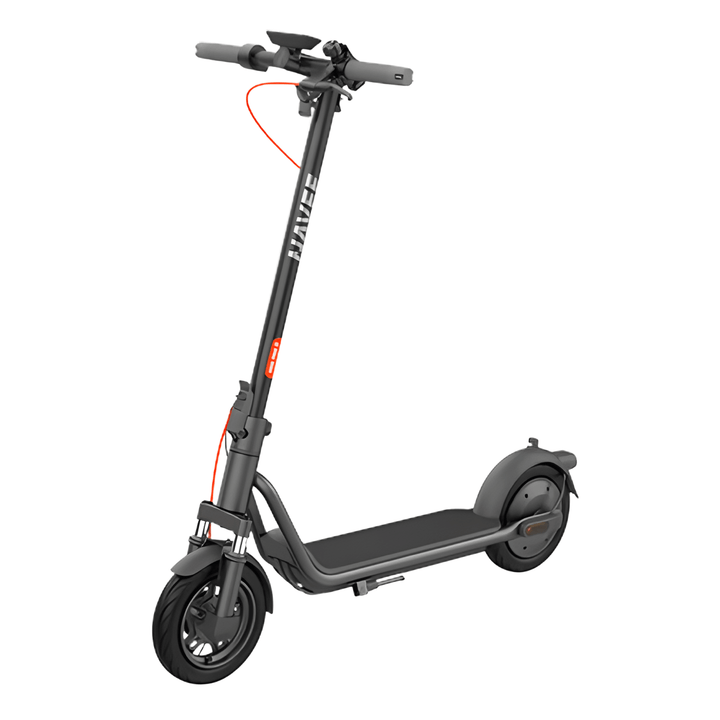
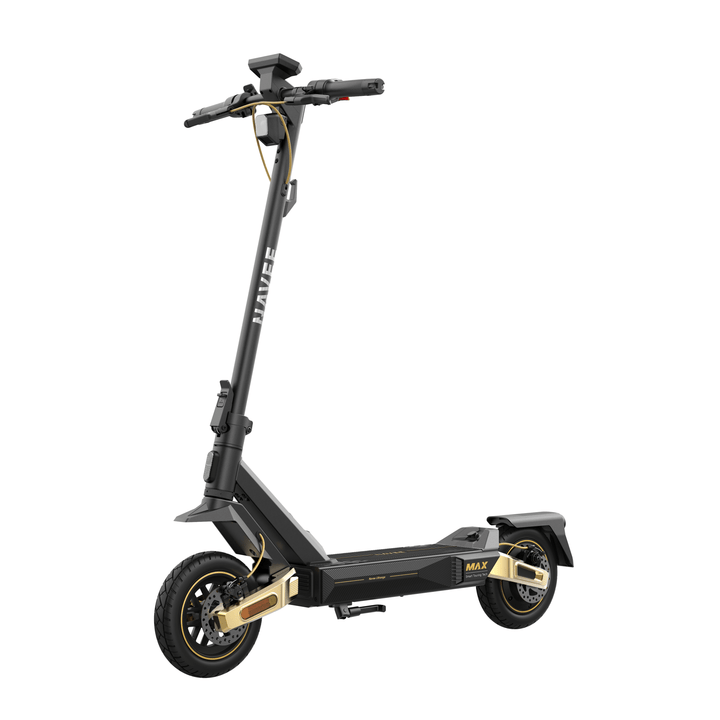
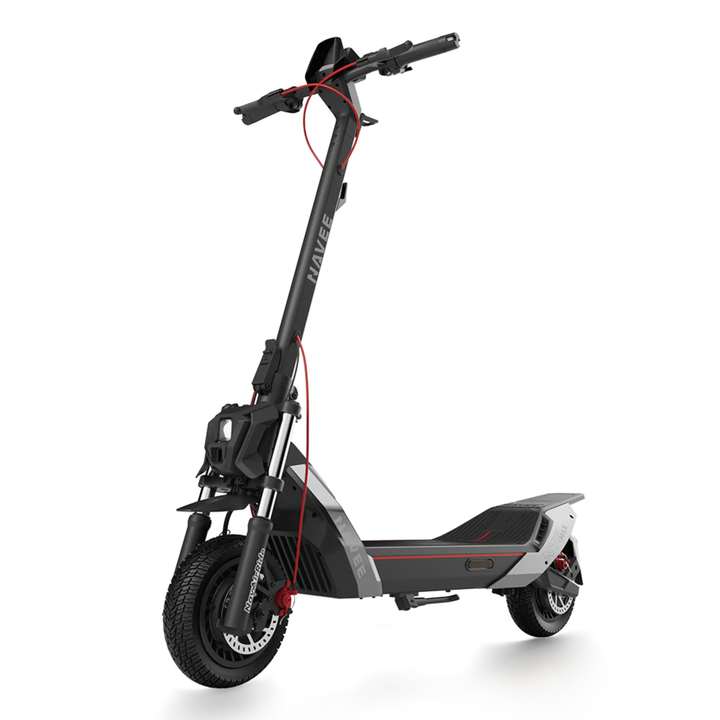
NAVEE builds electric scooters for very different everyday lives. The range spans everything from the 9.6 kg K100 Max for children to the 38.6 kg XT5 Ultra with dual motors and 12-inch off-road tyres. Stated range runs from 24 to 110 km and rated motor output from 150 to 1600 W, with an app, a folding frame and indicators shared by almost every model. That makes a NAVEE electric scooter a good choice whether you commute in the city, want long range or ride on gravel and trails. Wheelyshop offers free delivery on all electric vehicles and a 2-year warranty.
In short
- NAVEE electric scooters in the K, V, G, ST, NT and XT series with 24–110 km of stated range, 9.6–38.6 kg and 150–1600 W of rated motor output.
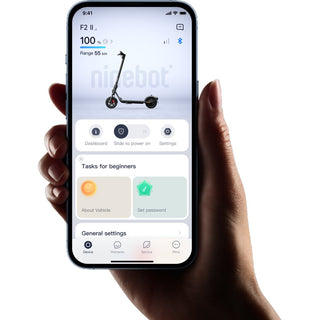
- Every model folds and is app-controlled, almost all have indicators, several are IPX6-rated, and the NT5 Ultra X and XT5 Ultra have dual motors.
- The K100 Max suits children, the V25i Pro II and G5 light city riding, the ST series commuting, the XT5 Max anyone who wants to go furthest (110 km) and the XT5 Ultra off-road riders.
- Only the K100 Max (150 W, 16 km/h) clearly stays within the 250 W and 20–25 km/h limits most EU countries set for bicycle-class e-scooters; the other models need national registration and insurance on public roads, or enclosed private land.
- Wheelyshop offers free delivery on all electric vehicles and a 2-year warranty.
Choosing the right NAVEE electric scooter – a guide to the series and models
The series name tells you a lot about what you get. K and V are light entry-level models, G and ST are built for city riding and commuting, while NT and XT are heavy off-road models with big batteries.
NAVEE electric scooters series by series – from K100 Max to XT5 Ultra
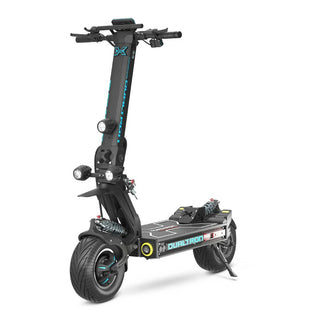
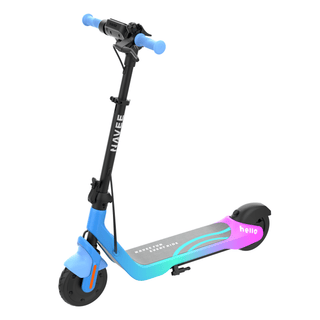
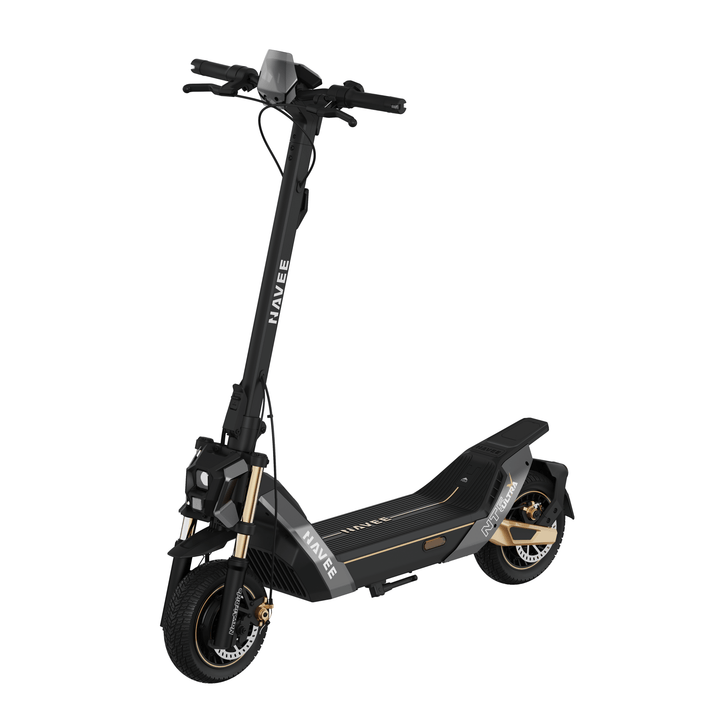
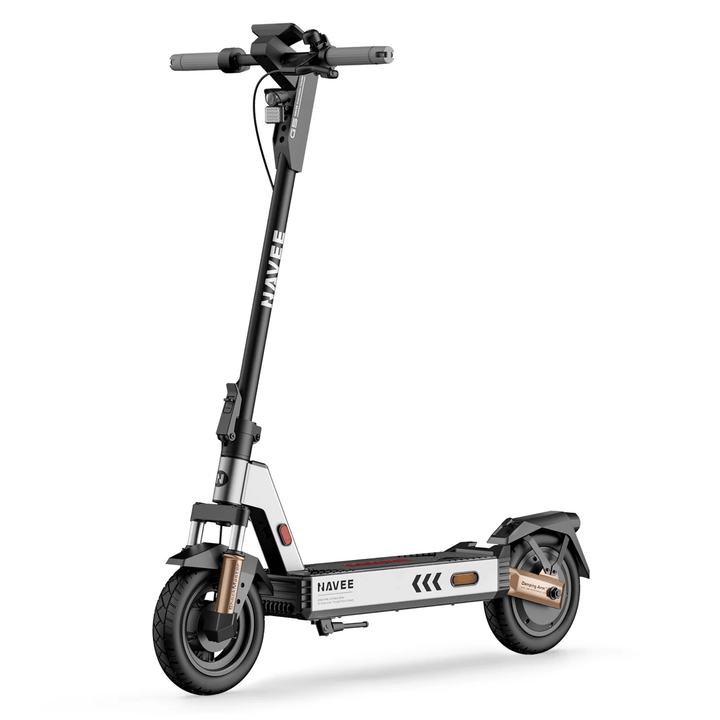
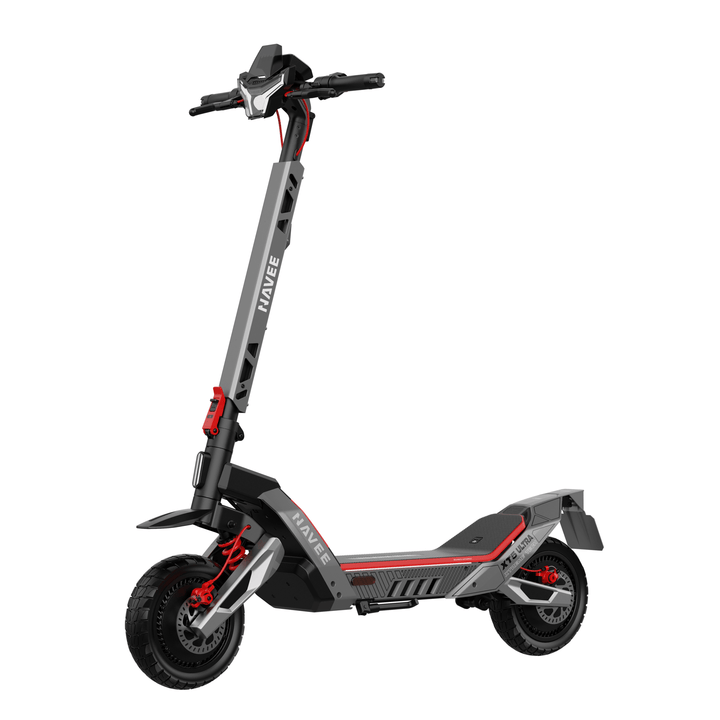
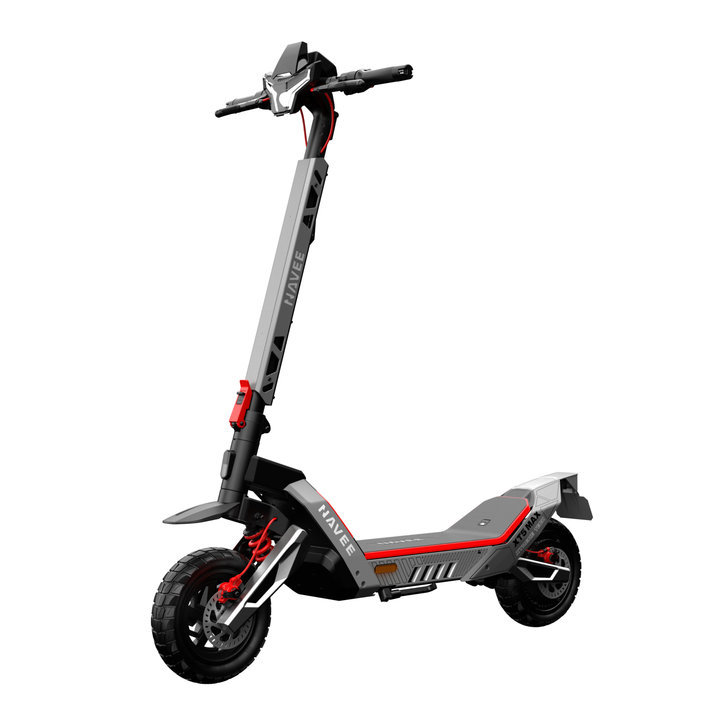
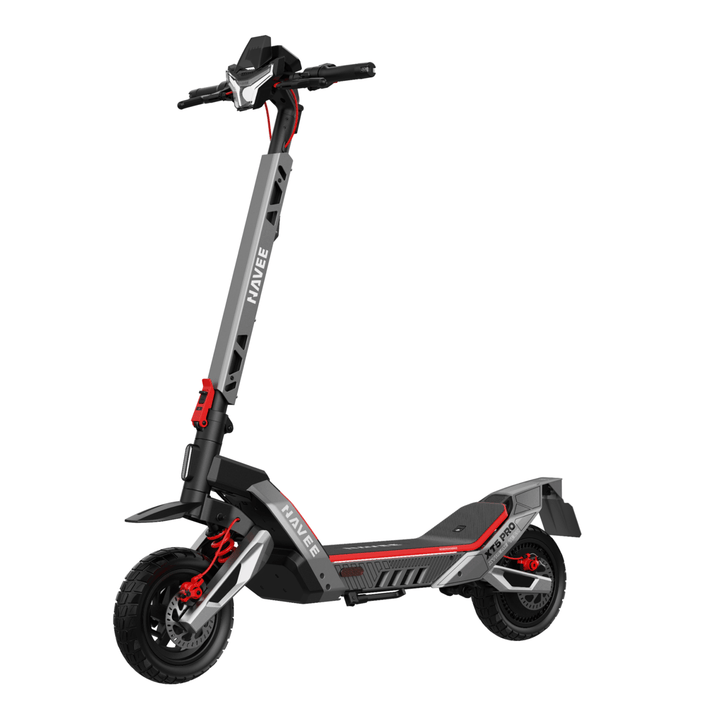
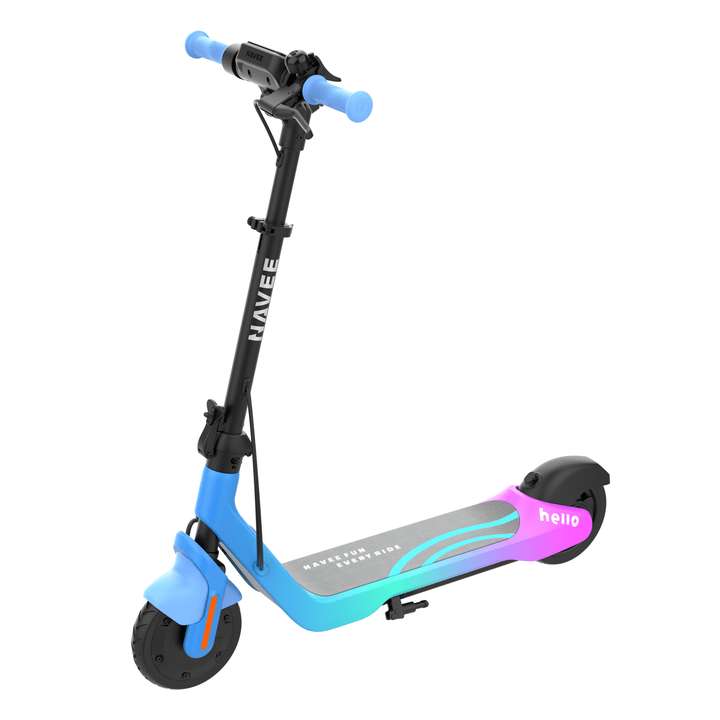
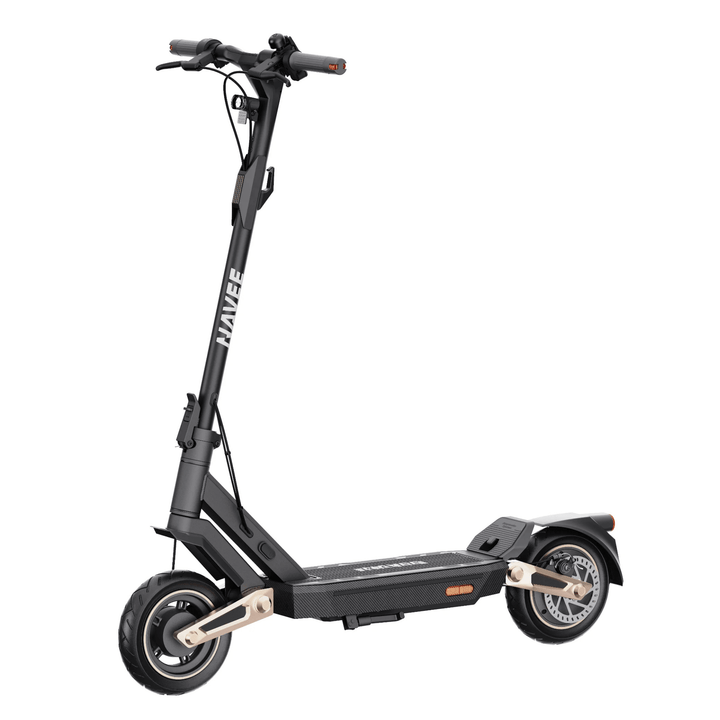
The K100 Max is the children's model: 9.6 kg, 150 W, 16 km/h, solid 7-inch tyres, an adjustable handlebar and a 50 kg maximum load, recommended for ages 6–14. The V25i Pro II is the lightest adult model at 17.7 kg with 300 W and 25 km of stated range, while the 20.9 kg G5 adds front and rear suspension and 45 km. The ST series is the commuter series: ST3 (250 W, 60 km, 24 kg), ST3 Pro (500 W, 75 km, puncture-resistant tyres) and ST5 Max (500 W, 90 km, IPX6, 150 kg maximum load). The NT5 Max and NT5 Ultra X ride on 10.5-inch off-road tyres, and the Ultra X has dual motors totalling 1600 W and 65 km/h unlocked. The XT series has 12-inch tyres and four riding modes: XT5 Pro (700 W, 75 km), XT5 Max (700 W, 110 km) and XT5 Ultra with dual motors at 1000 W rated and a full 4400 W peak.
Range and battery – how far a NAVEE electric scooter goes
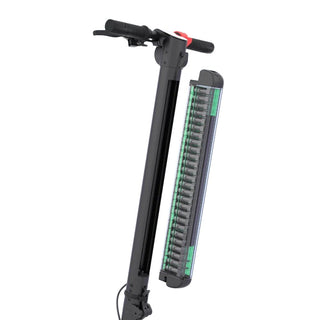
The batteries range from 110 Wh in the K100 Max to 899 Wh (46.8 V 19.2 Ah) in the NT5 Ultra X, XT5 Ultra and XT5 Max. The manufacturer's range is measured under ideal conditions, so expect 50–70 percent in reality: the ST5 Max with a stated 90 km then gives roughly 45–65 km, and the XT5 Max with 110 km lands at around 55–75 km. Cold weather, hills, rider weight and a brisk pace bring the figure down further. Charging takes 4–5 hours for the V25i Pro II, 6 hours for the G5 and ST5 Max, 5–6 hours for the XT models and 7–8 hours for the NT5 Ultra X. If you need really long range, you will find more options among our long-range electric scooters. Tyre pressure, speed and charging habits all matter – see our guide on how to increase your range.
Motor output, hills and weight
Rated output decides how well a model copes on hills and with heavy loads. The G5 manages an 18% gradient, the ST3 Pro 28%, the XT5 Pro 32% and the XT5 Ultra a full 45% thanks to its dual motors. Several models are approved for a 150 kg rider (ST5 Max, NT5 Max, NT5 Ultra X and all XT5 models), the other adult models for 100–120 kg. Weight follows power: if you need to carry your e-scooter up stairs or take it on the train, look at the V25i Pro II (17.7 kg), G5 (20.9 kg) or the ST series (24–25.4 kg), while the NT and XT models at 33.5–38.6 kg are best where they can be rolled in and parked.
Comfort: tyres, suspension and brakes
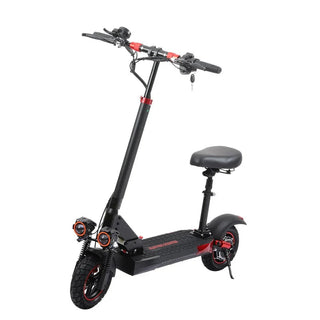
Most models have both front and rear suspension, the V25i Pro II front only and the K100 Max none at all. The tyres are 10-inch pneumatic on the V25i Pro II, G5 and ST3, puncture-resistant on the ST3 Pro and ST5 Max, and chunky off-road tyres on the NT and XT series. The brakes grow with the speed: drum brakes with E-ABS on the lightest models, disc plus drum brake on the ST3 and ST3 Pro, and dual disc brakes with E-ABS on the ST5 Max, NT5 and XT5. Every model except the K100 Max has indicators, and the heaviest models plus the ST5 Max are IPX6-rated for rain. No NAVEE model has a saddle. If you like riding on trails and gravel, there are more options among our off-road electric scooters.
Rules in Europe for a NAVEE electric scooter
In most EU countries an e-scooter counts as a bicycle only if it is limited to 20–25 km/h and, usually, 250 W of rated motor output. It may then use the cycle path with one rider at a time, while helmet and minimum-age rules vary from country to country. Of the NAVEE models, only the K100 Max (150 W, 16 km/h) clearly meets both requirements. The G5 has 250 W but is built for 25 km/h, so it qualifies only where 25 km/h is allowed; the V25i Pro II has 300 W, and the ST3 has 250 W but is designed for 40 km/h even though its limiter is set to 20 km/h. All the other models, including the ST3 Pro, ST5 Max and every NT and XT model, are therefore formally treated as mopeds in most countries and need national registration and insurance on public roads, or enclosed private land. Check your national rules – the EU overview of road rules and safety is a good place to start – and add one of our helmets whatever your age. See our country-by-country guide to electric scooter laws in Europe.
Service, warranty and spare parts
Wheelyshop provides a 2-year warranty on all NAVEE electric scooters and ships them with free delivery. Parts for older NAVEE models are in our spare parts portal; for a newer model, customer service can help if you give the model name and serial number. Keep the pneumatic tyres at the right pressure, charge with the original charger and store the battery at room temperature over winter, and the range will hold up for years. If you want to compare NAVEE with other brands before deciding, the whole line-up is under all electric scooters.
Frequently asked questions
Is a NAVEE electric scooter legal on public roads in Europe?
Only the K100 Max, with its 150 W motor and 16 km/h, clearly stays within the limits most EU countries set for bicycle-class e-scooters (usually 250 W and 20–25 km/h) and can be used on the cycle path. The other models either have more power or are built for higher speeds and are formally treated as mopeds in most countries, which means national registration and insurance on public roads, or enclosed private land. Helmet and age rules vary, so check your national regulations.
How far does a NAVEE electric scooter go?
Stated range lies between 24 km (K100 Max) and 110 km (XT5 Max). In real-world riding you should expect 50–70 percent of the manufacturer's figure, as cold weather, hills, rider weight and pace all have an effect. The ST5 Max with a stated 90 km, for example, gives around 45–65 km in practice.
Which NAVEE suits daily commuting?
The ST series is built for commuting. The ST3 weighs 24 kg and is rated for 60 km, the ST3 Pro has 500 W, 75 km and puncture-resistant tyres, and the ST5 Max combines 90 km of stated range with IPX6, dual disc brakes and a 150 kg maximum load. If you want something lighter to carry, the 20.9 kg G5 with front and rear suspension is a good option for shorter trips. How the models differ day to day is covered in our guide NAVEE scooter review: is it any good and which model to choose?
Does NAVEE have an app, indicators and suspension?
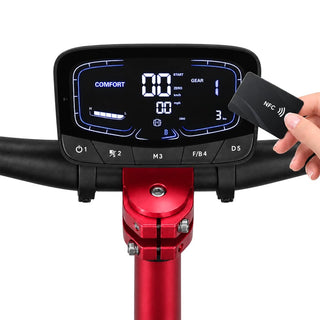
Every NAVEE model is app-controlled, and all except the K100 Max have indicators. Most models have both front and rear suspension, the V25i Pro II has front suspension and the K100 Max has none. No model has a saddle, but all of them fold.
Are spare parts available for NAVEE electric scooters?
Parts for older NAVEE models (the N series, S65 and the earlier V models) are available in our spare parts portal. If you have a newer model, contact customer service with the model name and serial number. Every NAVEE electric scooter from us comes with a 2-year warranty.