














Buying guide
Electric mountain bike
Choose an electric mountain bike for gravel roads, forest tracks and trails within the model’s intended use. This collection brings together MTBs and fat-MTBs with a conventional bicycle saddle and pedalling position, off-road tyre tread and at least front suspension. Compare fit, weight, brakes and battery. Wide tyres or a suspension fork alone do not turn a city bike into a mountain bike.
In short
- A conventional bicycle saddle and a frame for active pedalling, combined with off-road tyre tread.
- Hardtails have front suspension; full-suspension MTBs also have rear suspension. Fat-MTBs qualify when the complete design fits.
- Compare pedal-assist range separately from range without pedalling.
- Check the intended use of each model. This category does not establish suitability for jumps or downhill riding.
Electric mountain bike
Which e-MTB suits your riding?
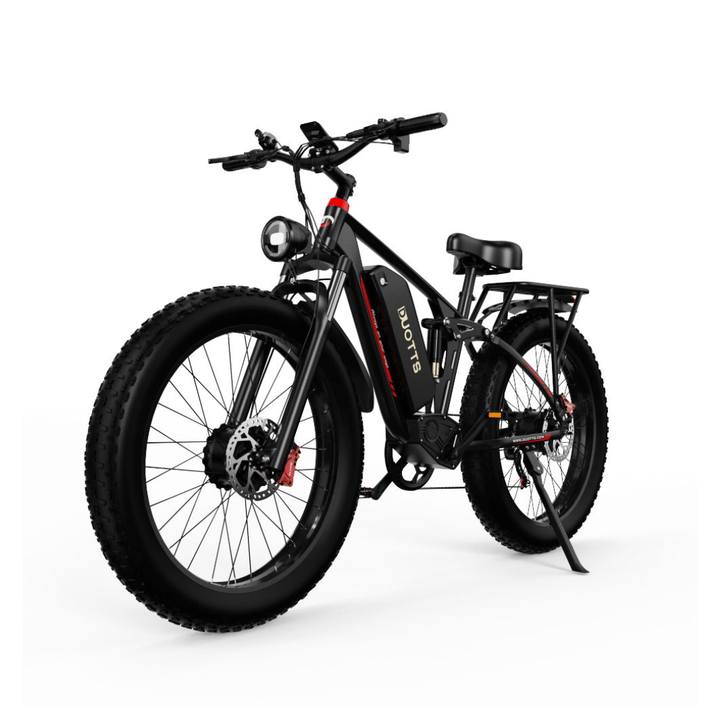
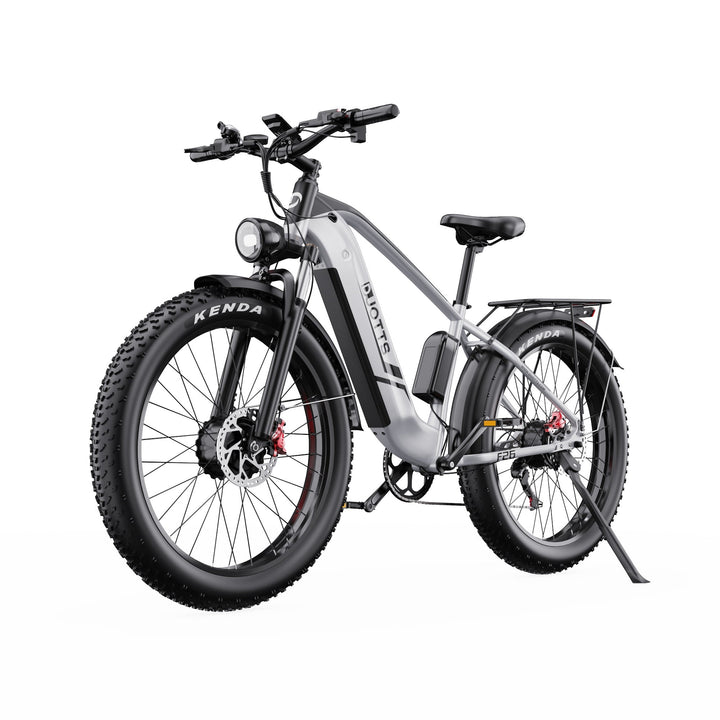
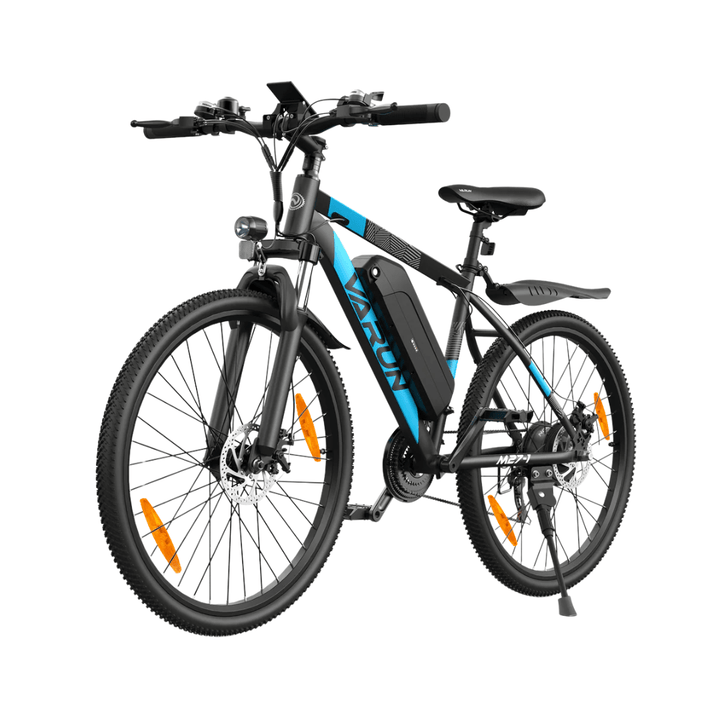
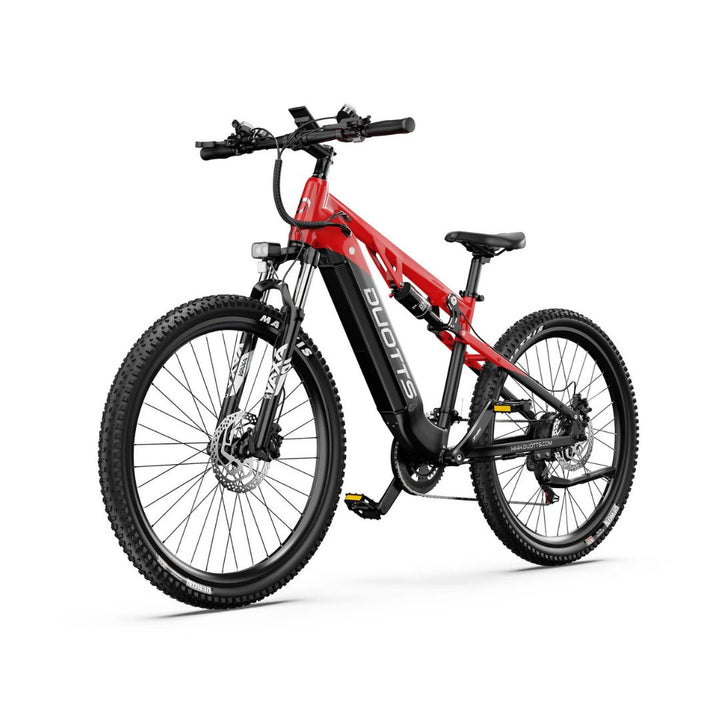
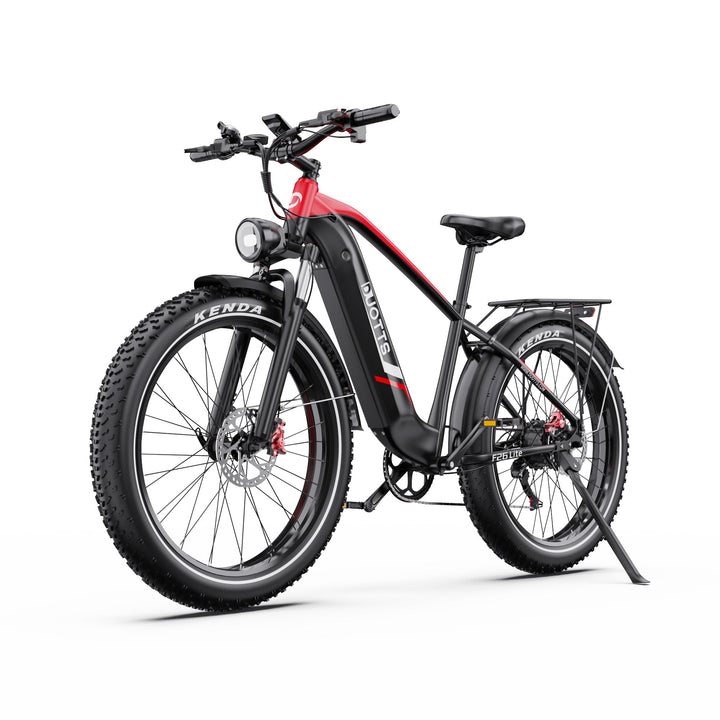
Start with your usual routes. A hardtail may suit gravel and easier forest tracks; rear suspension is another feature to compare for uneven terrain. VARUN M27-1 Pro is an example with front suspension and a conventional saddle. Duotts E26 and E29 have front and rear suspension. Choose according to the exact model’s specification and intended use, rather than appearance alone.
Tyres and the difference from a fat bike
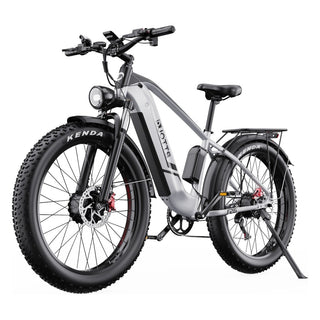
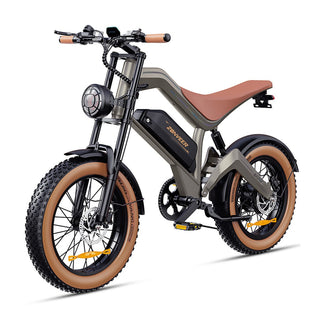
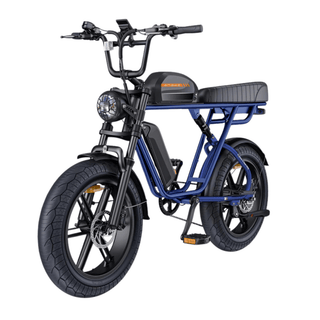
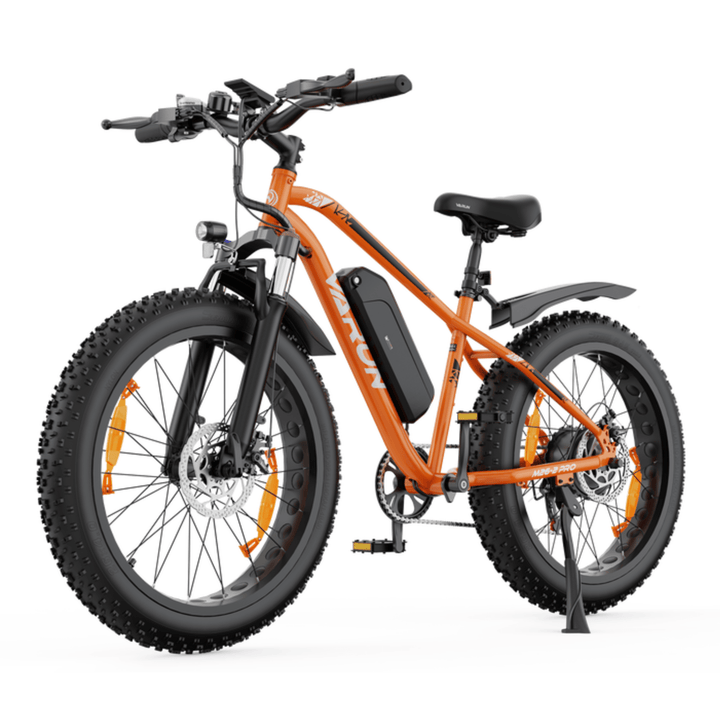
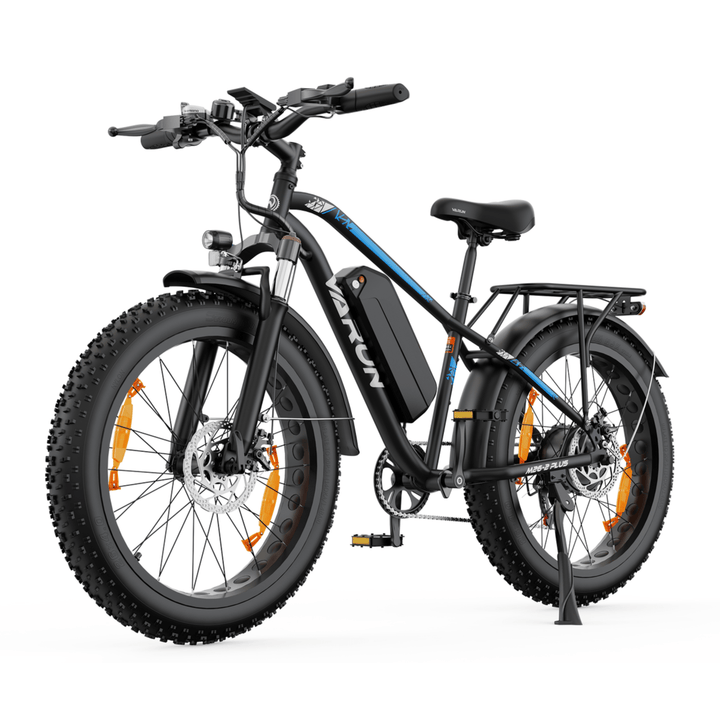
Choose tread suited to the surfaces you intend to ride. Tyre width is a separate feature: an MTB does not have to use fat tyres. A fat-MTB such as VARUN M26-2 Plus can belong to both collections. A city bike or a moped-style model with a long bench seat does not qualify just because its tyres are wide. Follow the manufacturer’s tyre-pressure guidance.
Suspension, brakes and fit
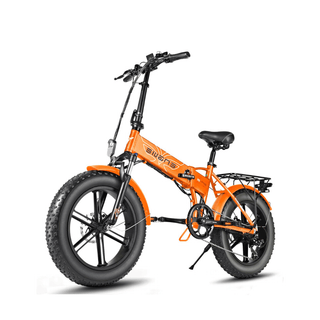
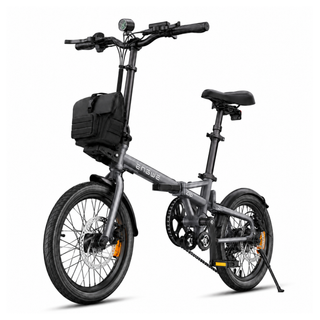
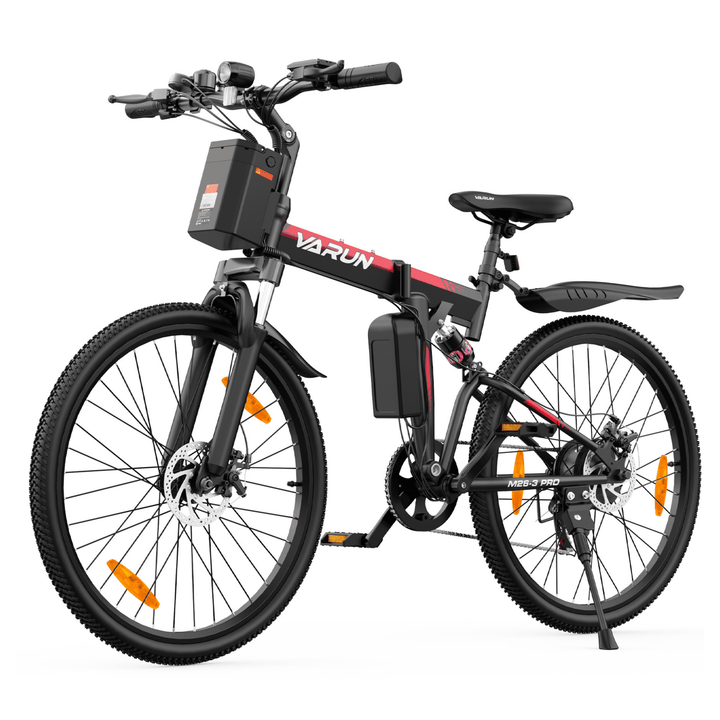
Our selection requires at least front suspension. Full suspension alone does not establish suitability for jumps, downhill or technical trails. Check the manufacturer’s limits, frame size, recommended rider height and maximum load. Compare brakes, gears and bike weight as well. A rear rack or folding frame does not exclude a model that otherwise meets the MTB criteria.
Battery and range
Compare battery capacity and stated range for the same riding mode. On models with electric-only mode, range without pedalling is a separate figure from pedal-assist range. Hills, surfaces, tyre pressure, temperature, load and assistance level affect the result. Allow a margin rather than applying one fixed percentage to every ride. Check how the selected model’s battery is removed and charged.
Intended use and care
Check the specification of the version you order, including its motor, assistance and any throttle. Inclusion in this collection does not confirm approval for a particular road or cycle path; check the model’s documentation and the rules where you will ride. Follow the care instructions for tyres, brakes, chain and suspension, and use suitable replacement parts.
Also compare all electric bikes, electric fat bikes and long-range electric bikes.
Frequently asked questions
What qualifies as an electric mountain bike here?
We select MTBs and fat-MTBs with a conventional bicycle saddle and pedalling position, off-road tread and at least front suspension. City bikes and moped-style models do not qualify through wide tyres or suspension alone.
Are all fat bikes mountain bikes?
No. Fat bike primarily describes wide tyres. The frame, pedalling position and intended off-road use must also meet our MTB criteria.
Does an e-MTB need full suspension?
No. A hardtail with front suspension can qualify. Compare rear suspension according to your routes and the model’s intended use.
Can a folding model or a bike with a rear rack qualify?
Yes, if it meets the other MTB criteria. Neither a folding frame nor a rear rack determines the category on its own.
How should I compare range?
Compare figures for the same riding mode. Pedal-assist range and range without pedalling are different figures. Terrain, temperature, load and assistance level affect actual range.