
























Buying guide
Electric scooter charger: choose the right model
A spare charger can be useful at home or at work. Start with the exact vehicle model and the manufacturer’s charging specification: a similar name or a plug that fits is not enough. Explore external chargers and built-in charging units for scooters and selected e-bikes and electric unicycles.
In short
- Choose an electric scooter charger by exact model, version and documented compatibility.
- Check charger Output, connector, polarity and permitted charging current.
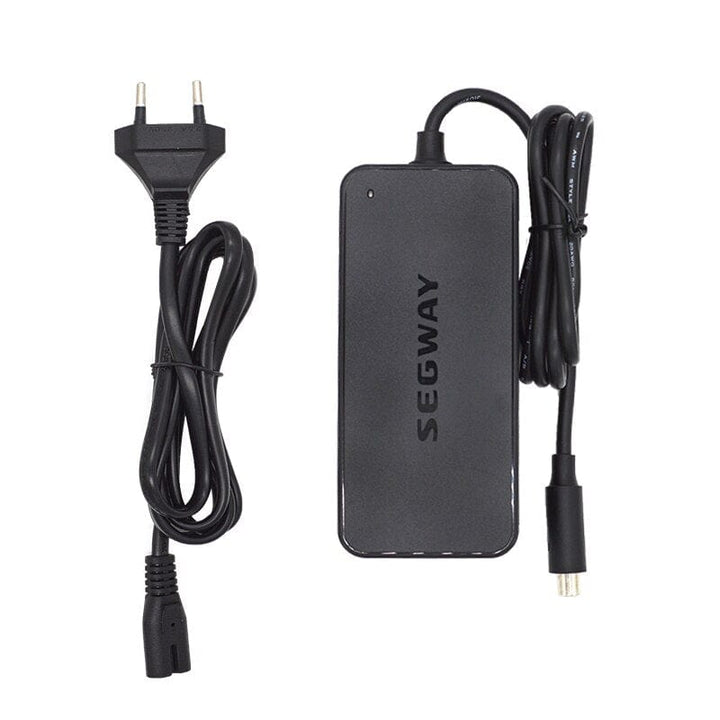
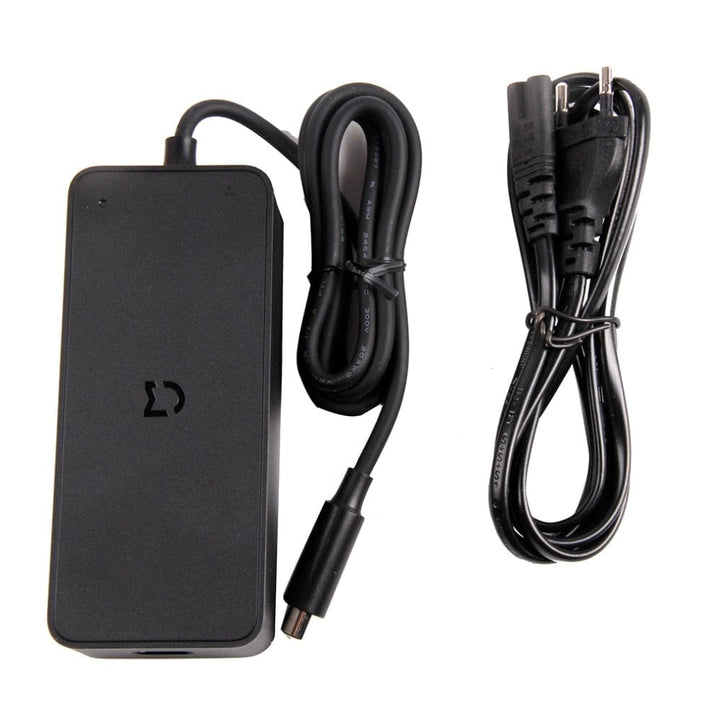
- Distinguish a complete charger from a mains cable or a built-in replacement unit.
- Fast charging requires support from the battery, charging system and manufacturer.
- Send us photos of the vehicle and charger labels if the specification is unclear.
Buying guide: choosing an electric scooter charger
Start with the exact model and version
Check the complete model name, generation and battery variant. Pro, Max and Plus versions can use different charging systems within one range. Use the charger specified by the vehicle manufacturer. A retailer’s compatibility list should be supported by a charger part number and manufacturer documentation.
Read the electric scooter charger output label
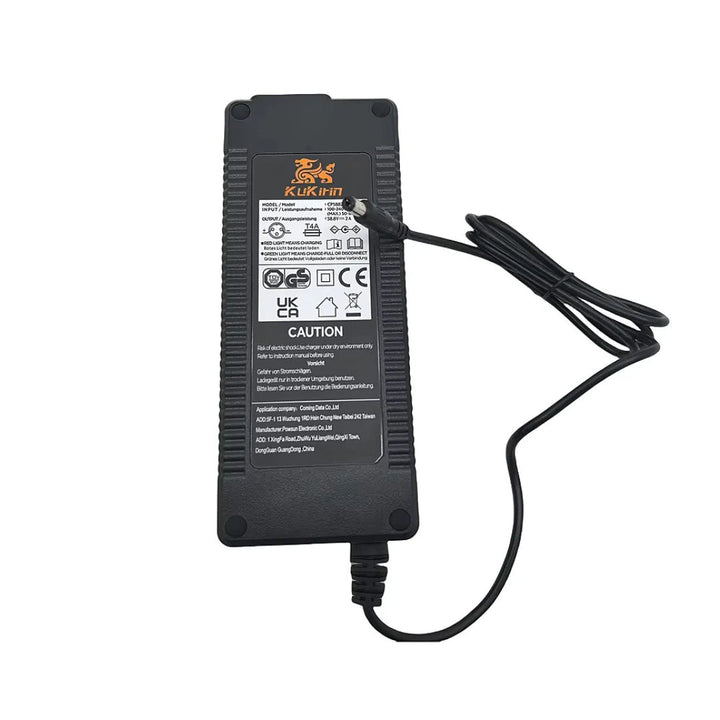
Input normally describes the mains supply; Output describes what the charger supplies. Nominal battery voltage is not the same as the required charging voltage. Do not choose from a general battery-to-charger voltage conversion table. Compare the correct Output specification with the manual and the charger intended for the vehicle.
Check both electrical and physical connector compatibility
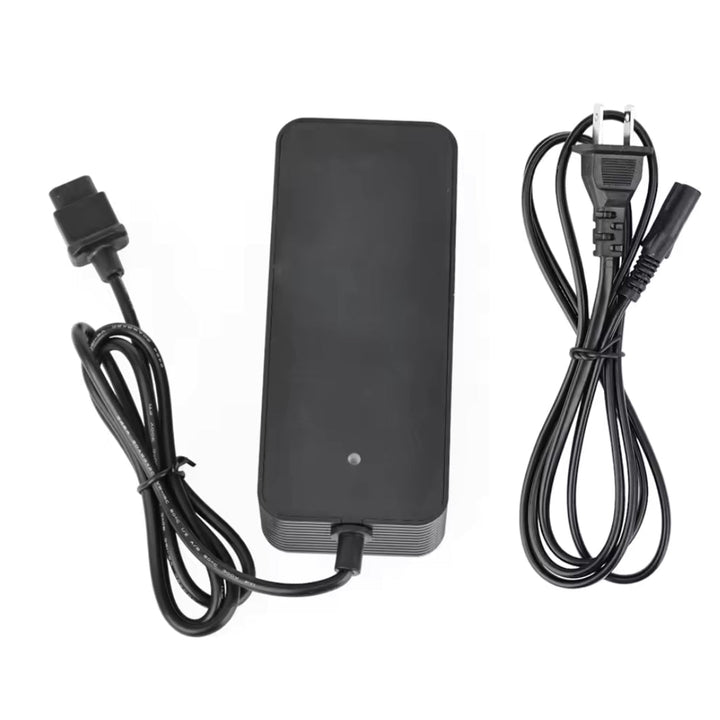
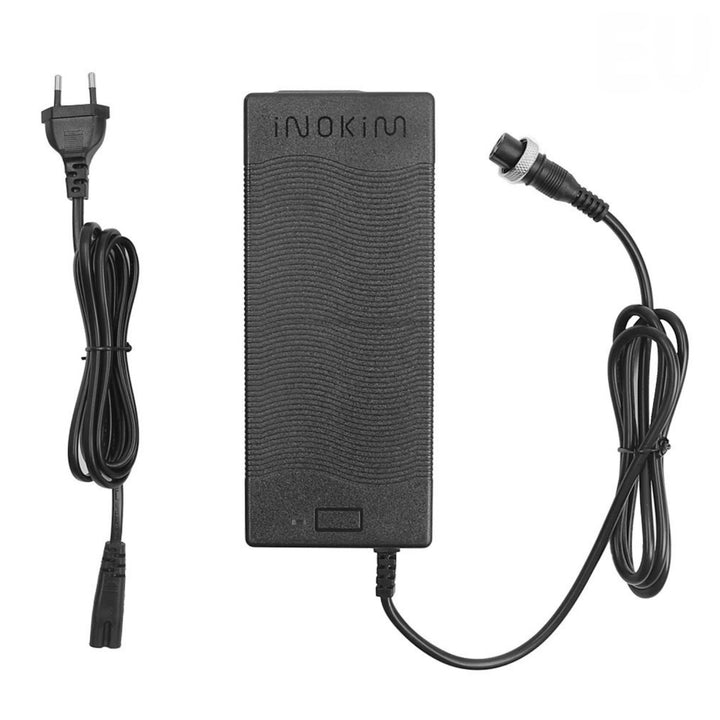
Check connector dimensions, pin count, polarity and any communication with the vehicle. Matching shape and voltage do not automatically mean compatibility. Also distinguish the mains plug from the vehicle-side connector. An adaptor does not replace checks of the charging system.
Does your scooter support a fast charger?
Charging current is stated in amperes, A. Use only a charger type and current approved for the exact battery and vehicle version. A higher amp rating alone is not a suitable reason to upgrade. Charging time also depends on capacity, temperature, charge level and the system’s controls.
External charger, built-in unit or cable?
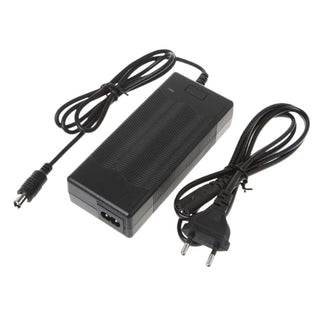
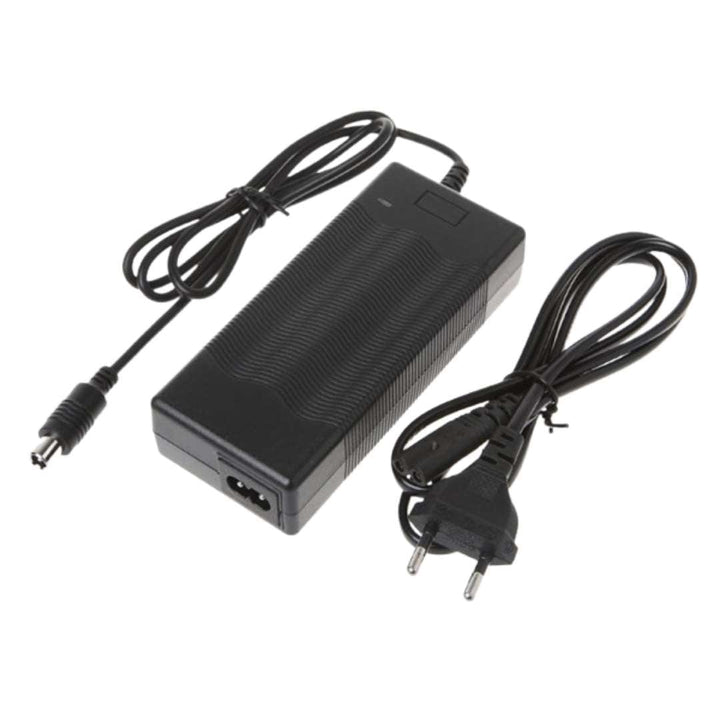
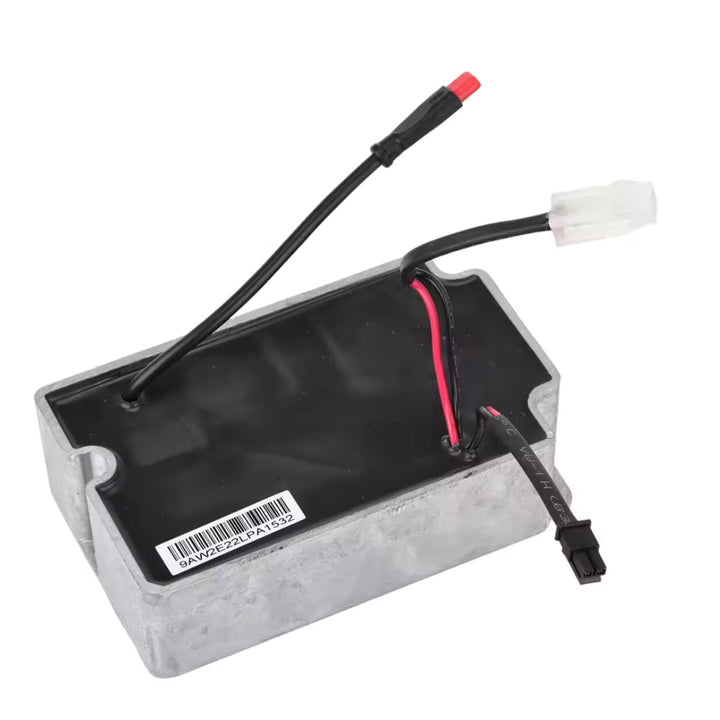
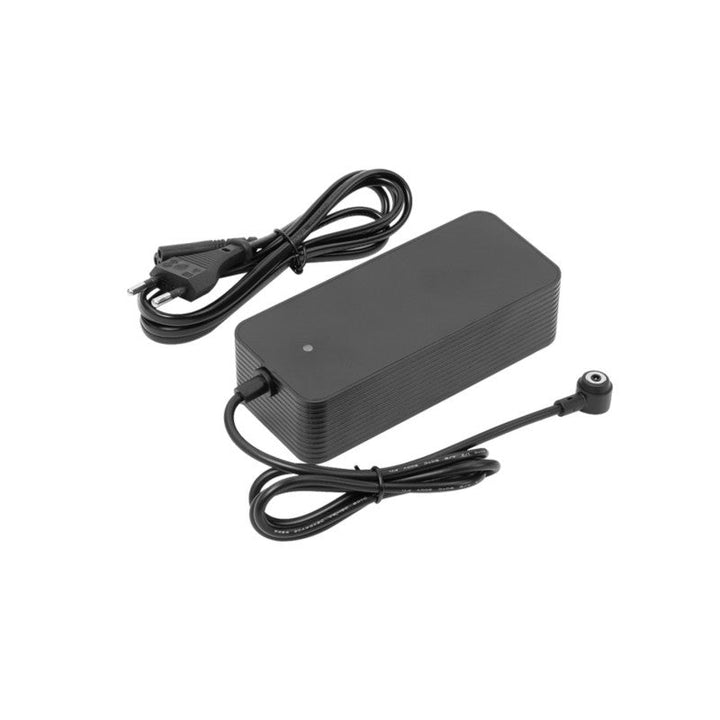
An external charger is a separate unit between the mains socket and vehicle. A built-in charger sits inside the vehicle and requires the correct replacement part number and installation. A mains lead or DC cable does not include the charger electronics. Check the package contents and have internal electrical repairs carried out by a qualified technician.
Follow the charging and troubleshooting instructions
Follow the manufacturer’s instructions for location, temperature and connection order. Charge under supervision with dry, undamaged connections. Do not use damaged equipment or a battery showing signs of water ingress. A green indicator may mean fully charged or disconnected, depending on the unit; check the manual before assuming charging is working. If the vehicle will stand unused over winter, our guide to storing an electric scooter over winter covers charge level, temperature and where to keep it.
Find model-specific components in the spare parts portal or browse other accessories.
Why the wrong charger is a common cause of battery fires, and which warning signs to look for, is covered in our guide to electric scooter fire risk.
Frequently asked questions
Which electric scooter charger should I choose?
Use the charger specified by the manufacturer for the exact model, version and battery. Check part number, Output, connector, polarity and permitted current. Ask for help if anything conflicts.
Can I use a universal electric scooter charger?
Only if the manufacturer expressly confirms compatibility with your vehicle. Matching plug and voltage are not enough: charging system, polarity and any communication must also match.
How do I find the right electric scooter charger voltage?
Read the specified charger output in the vehicle manual and on the correct original charger. Nominal battery voltage is a different value. Do not substitute a general voltage table for model-specific documentation.
Will a charger with more amps charge faster?
It may in a system that expressly supports that charger and current. Do not increase the amp rating yourself; check the approved charging current for the exact battery and version.
What is the difference between a charger and a charging cable?
A charger contains the electronics that provide the intended charging output. A separate mains or DC cable is only part of the connection. Some vehicles have the charger built into the chassis.