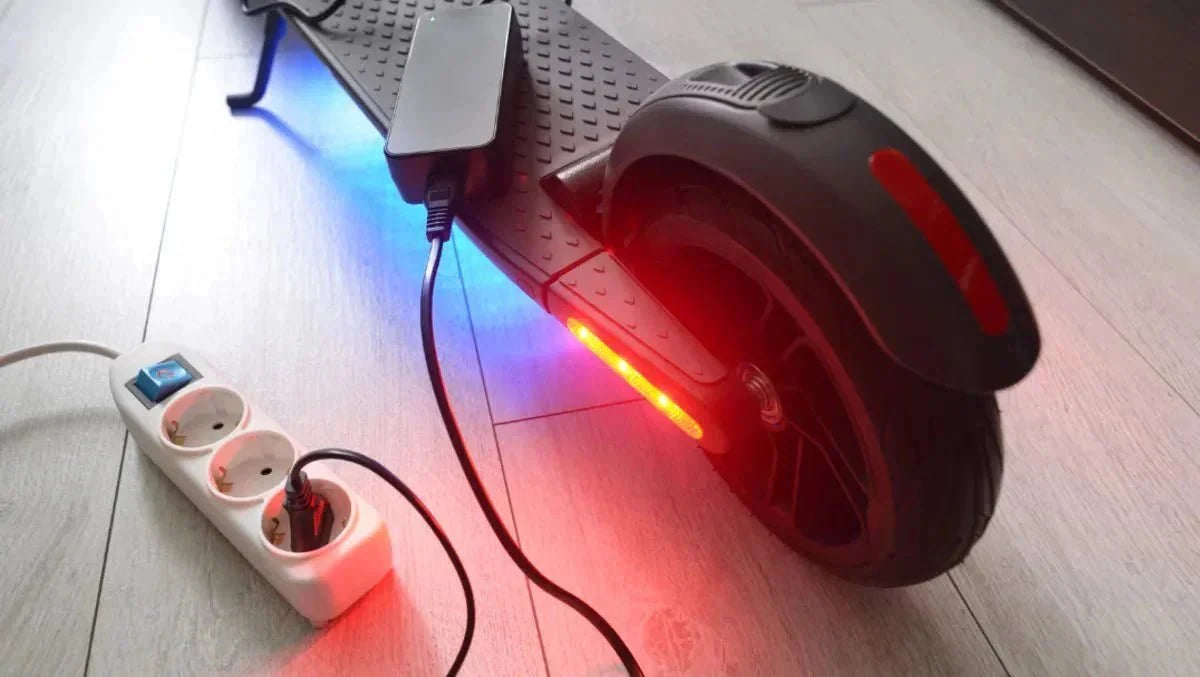

When the frost arrives, plenty of riders put the e-scooter or e-bike away until spring. That makes sense – but how it spends those four or five months decides how the battery feels in April. Here is what to do before, during and after the winter break, and the mistakes that cost the most.
Storing an e-scooter in winter: the short answer
Clean and dry it, charge the battery to around 40–60 per cent and keep it somewhere frost-free and dry, ideally at 10–20 °C. Take the battery indoors if it comes out. Unplug the charger, check the charge level once a month and top up when needed. In spring, charge fully, pump the tyres and take a test ride.
The battery: the right charge level and temperature
A lithium battery dislikes sitting for long periods completely full, completely empty or warm. As BikeRadar puts it in its tips for looking after an e-bike battery, a charge level of 30–60 per cent is generally considered best for long-term storage. Battery University's figures show why: a battery stored for a year at 25 °C keeps about 96 per cent of its capacity at a 40 per cent charge, against 80 per cent when stored full, according to its guide on how to prolong lithium-based batteries.
Running flat is the expensive mistake. The battery slowly discharges even when the scooter is switched off, and a battery that sits completely empty for a long time can be deeply discharged and stop taking a charge. So:
- Check the charge level once a month and top up to around 50–60 per cent if it has dropped.
- Don't leave the charger plugged in all winter – unplug once you have topped up.
- Switch the vehicle off completely. Some models draw a little power in standby, for an alarm or app connection for example.
- Follow the manual if it says something different. Manufacturers vary – some prefer a higher level and a full charge at regular intervals.
Temperature matters too. Cold does not damage the battery for good unless it sits in severe frost for a long time, but heat and damp wear it. A frost-free space at around 10–20 °C is about right, and a cold battery should only be charged once it has reached room temperature. Everyday charging habits are covered in our guide on how to charge an electric scooter battery, and how long a battery usually lasts in how long electric scooters last.
Removable or built-in battery?
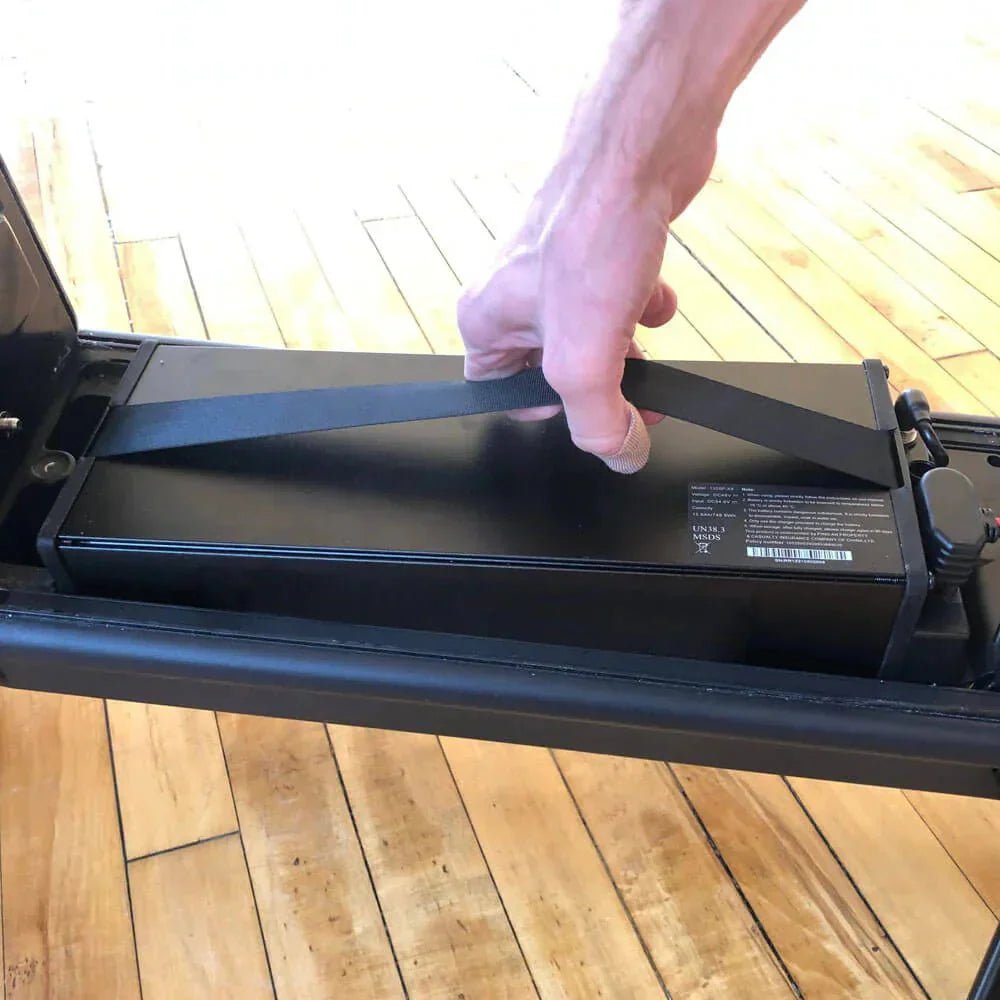
Removable battery – common on e-bikes and some e-scooters: take the battery out and store it separately. A dry, frost-free shed or garage is a good place if you have one; otherwise keep it indoors on a hard surface, ideally in its original box or a storage bag and not directly on metal. Never store it in the hallway or on the stairs – that is your escape route. BikeRadar passes on the UK fire chiefs' advice: fit a smoke alarm in the room where you charge and store the battery.
Built-in battery – most e-scooters: then the whole vehicle needs to stay frost-free. A heated store room, a warm garage or a cellar works well. If it lives in your home, the same rules apply as for a loose battery: not in the hallway, not among coats and cardboard boxes.
Where should the e-scooter spend the winter?
| Place | Does it work? | Keep in mind |
|---|---|---|
| Heated store room, garage or cellar | Best | dry, frost-free, not next to a radiator |
| Indoors at home | Yes | hard floor, smoke alarm, not in the hallway |
| Cold garage or shed | With a removable battery | take the battery in, keep the rest dry |
| Balcony or outdoors under cover | Better not | cold, damp and salt – use a cover if there is no alternative |
If your scooter has a built-in battery and the only space you have is cold, there is no good way round it – move it somewhere warm for a few months instead. A cover keeps dust and damp off in the garage, and the rubber cap on the charging port should stay closed. Covers and charging-port caps are in our range of electric scooter protection.
Clean and dry it before storage
Salt and dirt left on all winter eat into bolts, connectors and brakes. Before the break:
- Wipe down the frame, deck, wheels and brakes with a damp cloth. Never use a pressure washer or a hose on an e-scooter.
- Dry the connectors and charging port with a dry cloth and let everything dry properly indoors.
- Protect bare metal such as bolts and the folding joint with a little anti-corrosion spray – but never on brake discs, pads or tyres.
- E-bike: clean and lube the chain, then wipe off the excess.
- Tighten the bolts and feel for play in the handlebar and folding mechanism – easier to sort now than in April. The full routine is in our checklist for electric scooter maintenance.
Tyres during the winter break
Air slowly escapes even from an undamaged tyre – Cycling UK's winter bike guide recommends pumping tyres about once a month and keeping the bike indoors, even in a shed, to prevent rust. Inflate to your normal pressure before storage and check it when you check the battery; the right figure is explained in our guide on electric scooter tyre pressure. A tyre left almost flat for months can take on the shape of the floor, so roll the vehicle a little each month.
Protect it from theft in storage
Bike rooms, sheds and garages often go unchecked for weeks in winter, so a theft is noticed late. Lock the vehicle to something fixed, take the battery in if you can, and note the frame or serial number before the season ends. More on locks, alarms and marking in our guide on how to protect your electric scooter from theft.
Spring start: checklist before the first ride
- Charge the battery fully the evening before, at room temperature.
- Pump the tyres and look for cracks in the rubber.
- Test the brakes in the first few metres.
- Check bolts, handlebar and folding mechanism.
- Switch on the lights and charge them if they have their own batteries.
- Take a short test ride before your first commute.
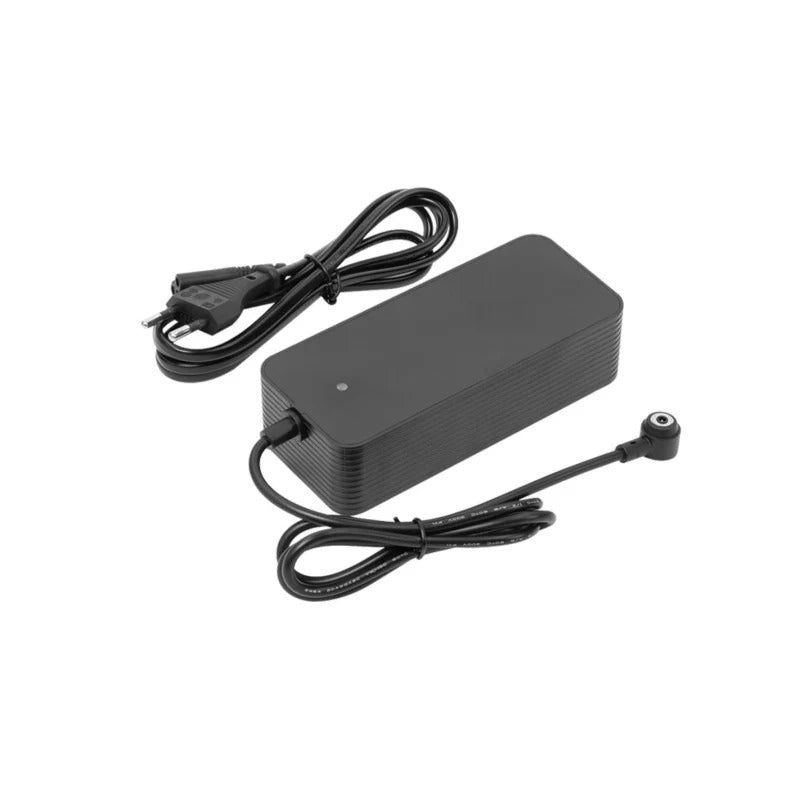
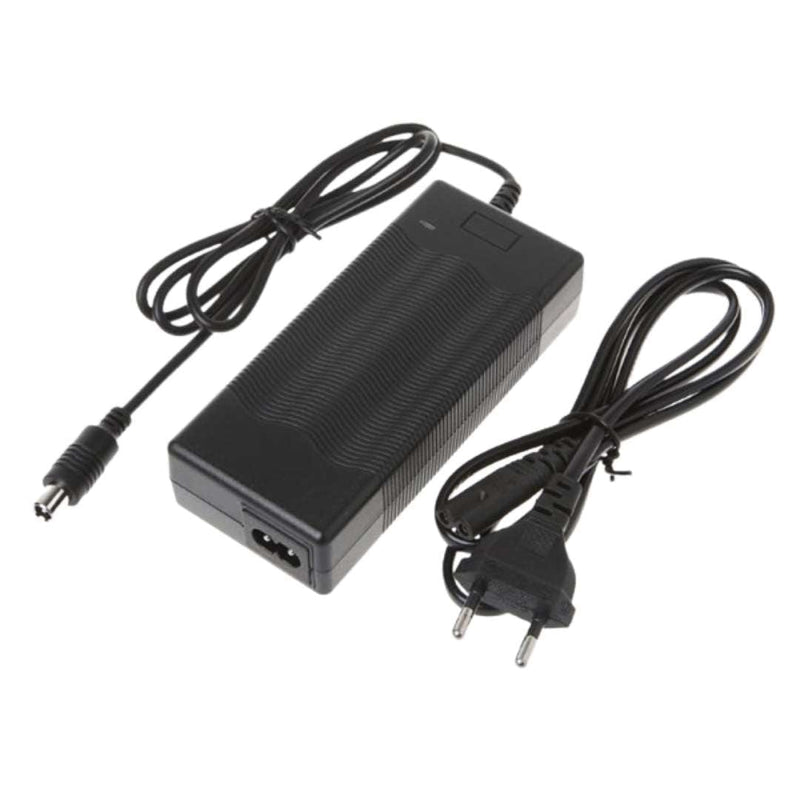
Battery won't charge at all, or runs down much faster than in autumn? Contact our customer service before you replace parts – if you bought the vehicle from us, the 2-year warranty applies. If you need a new battery or charger, search for your model among our electric scooter batteries and electric scooter chargers.
Riding through the winter instead?
Everything above applies when the vehicle stands still. If you ride all year, the focus shifts to studded tyres, braking on ice, road salt and clothing – covered in our guide to the electric scooter in winter. More care tips are in our guides.