





























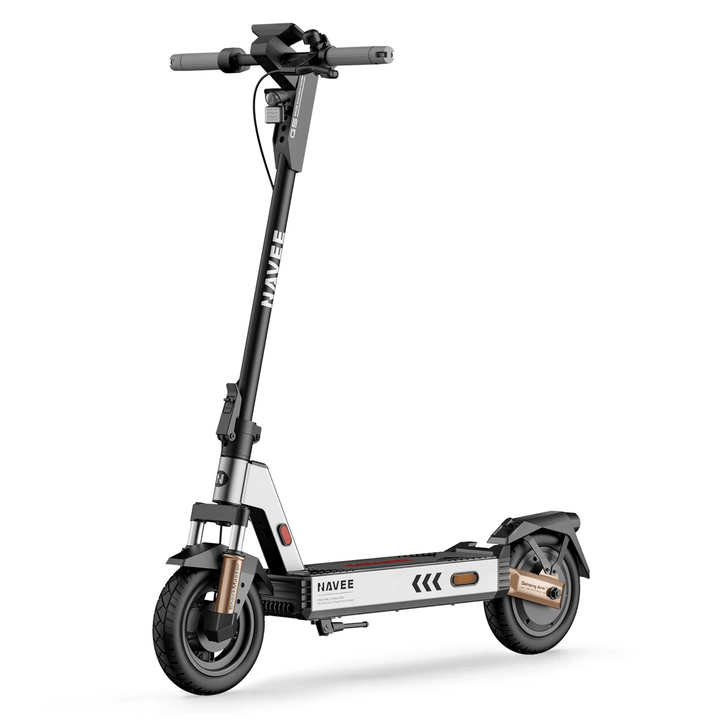
Buying guide
Find your rear-wheel drive electric scooter
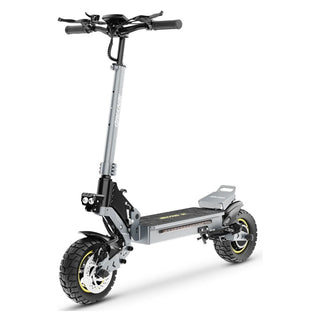
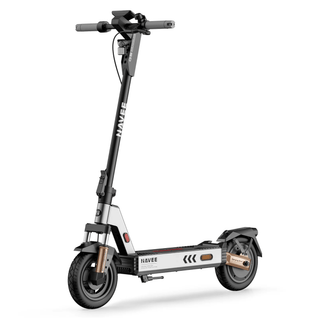
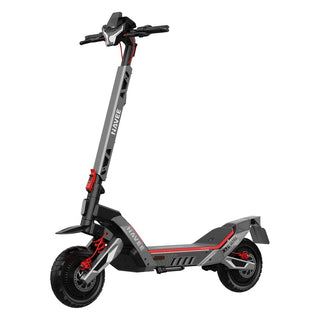
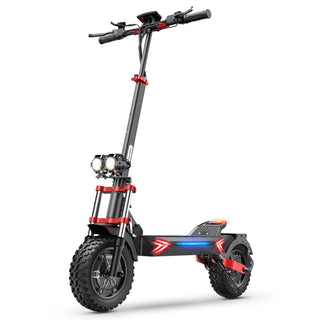
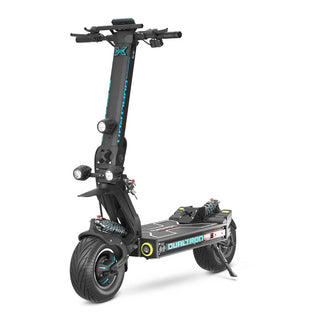
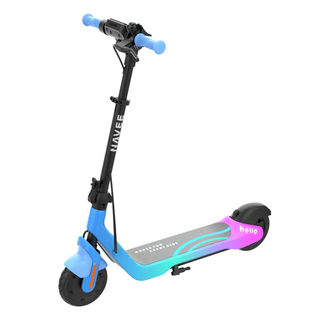
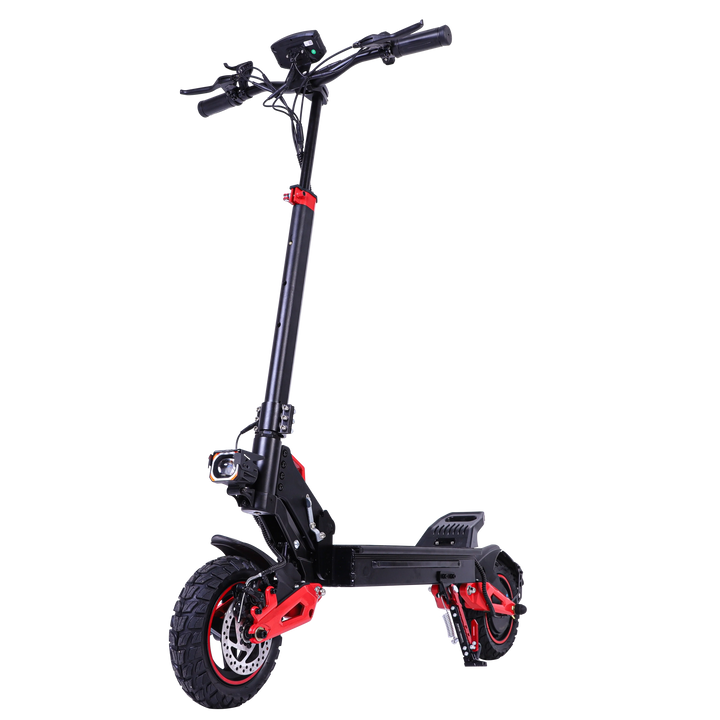
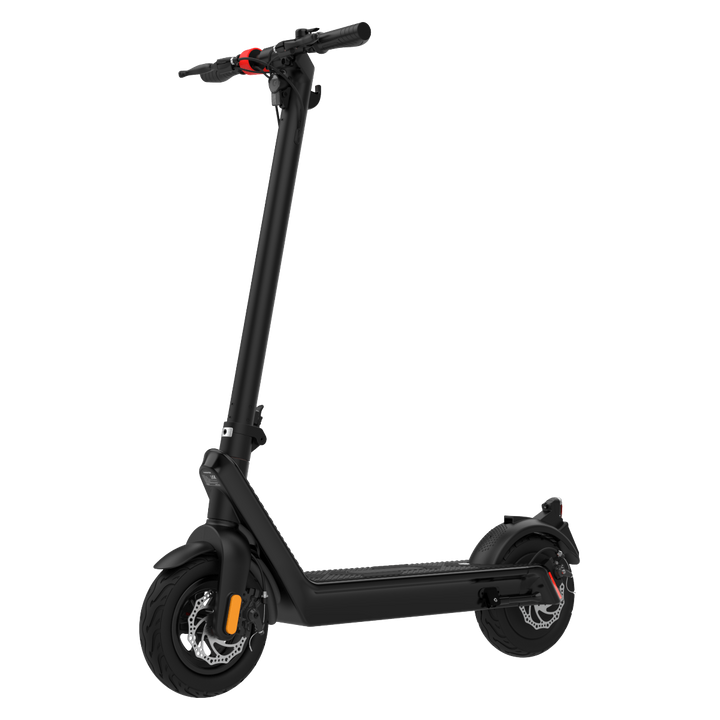
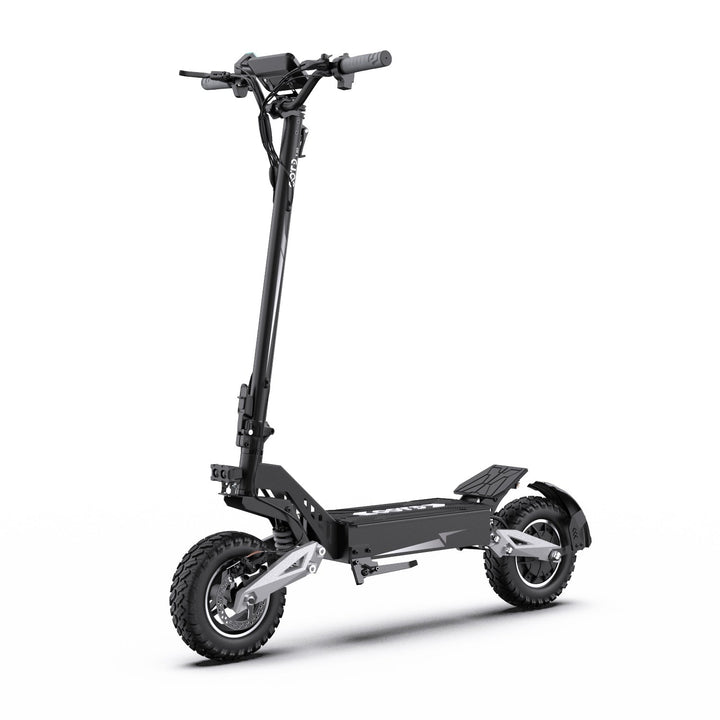
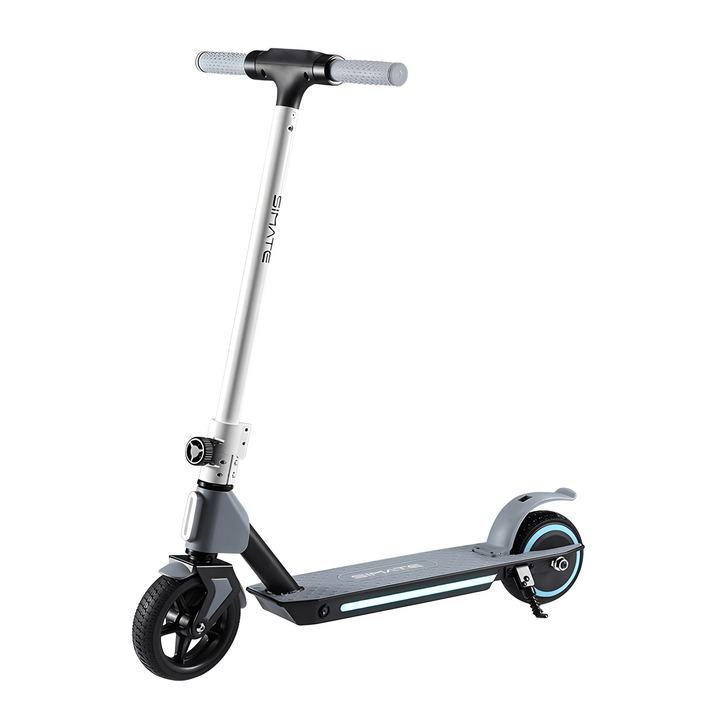
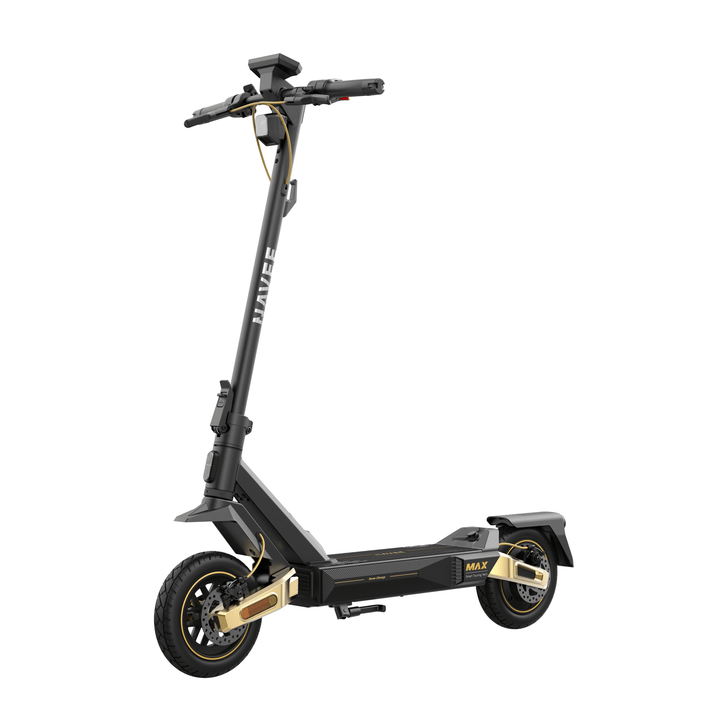
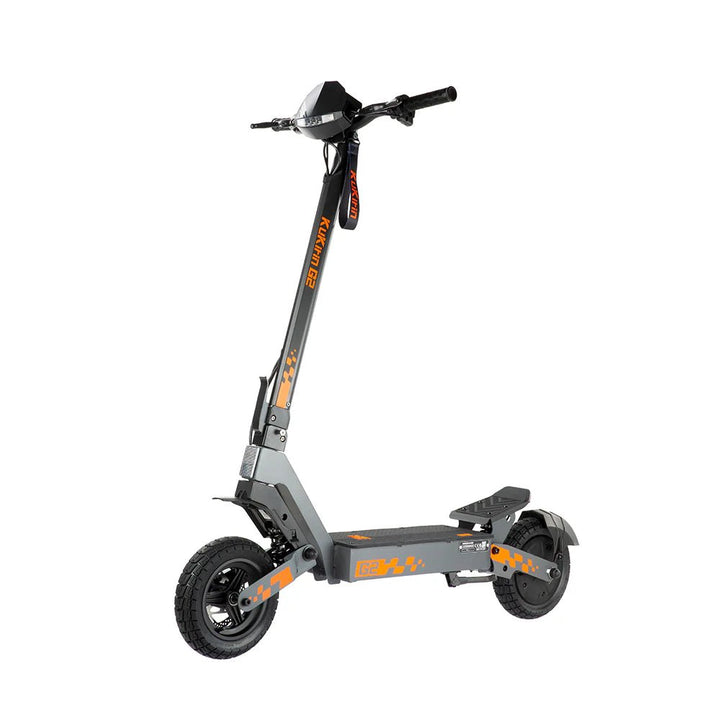
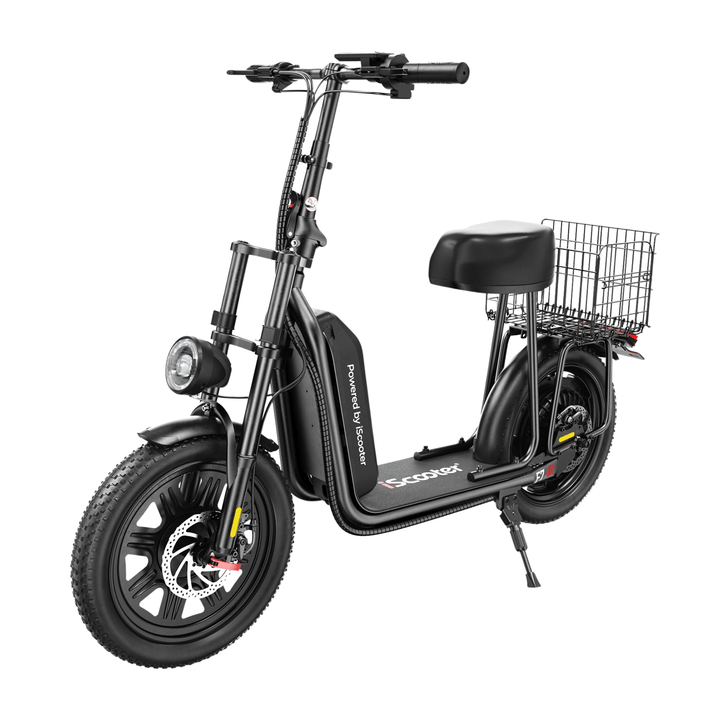
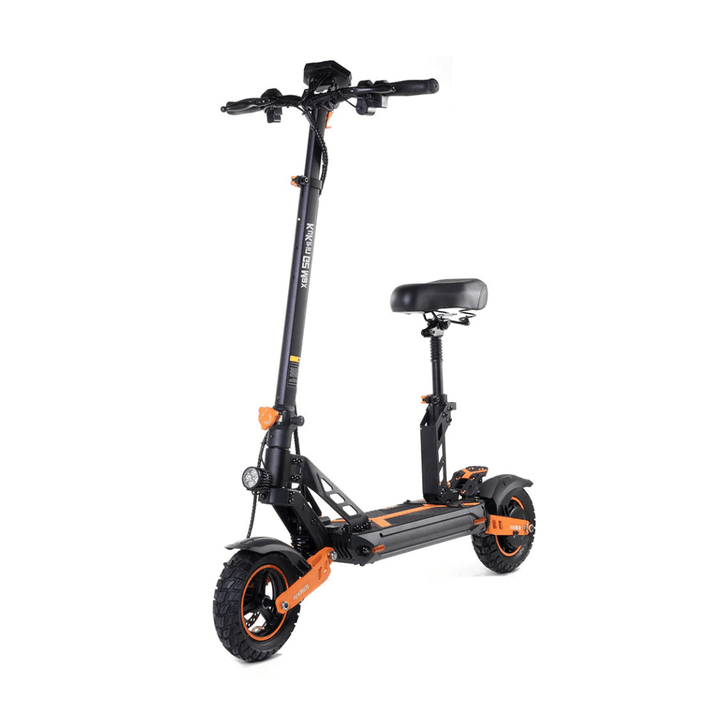
This collection brings together models powered by a motor in the rear wheel. Compare the details that matter on your usual route, from distance between charges to weight when carrying. Look at brakes, tyres and suspension alongside the drivetrain to choose a scooter that suits your journeys.
In short
- Rear-wheel drive electric scooter models with one motor at the back.
- Compare rated power and peak power separately.
- Allow extra range for hills, cold weather and rider weight.
- Check the rules for your chosen model and riding location.
- Free shipping on electric vehicles and a 2-year warranty.
Choosing a rear-wheel drive electric scooter
How a rear-wheel drive electric scooter works
The motor drives the back wheel while the front wheel steers. This differs from front-wheel drive and from a dual-motor layout, which powers both wheels. Motor position alone does not determine ride quality: tyre grip, weight distribution and the controller all contribute to how the scooter feels.
When comparing a rear-wheel drive e-scooter with front-wheel drive, start with your requirements for range, carrying weight and brakes. To compare models that power both wheels, browse our dual-motor electric scooters. Check the exact model version: a model family can include different motors and batteries.
Motor power on a rear-wheel drive electric scooter
Read the specification carefully and distinguish continuous rated power from short-term peak output. A higher wattage does not guarantee better climbing on every route. Compare the stated incline and maximum load too, particularly if your regular journeys include long uphill sections.
Choose range for the whole journey
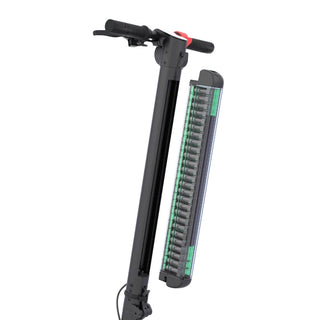
Start with the distance you travel between charges, including the return leg, then allow a margin. Manufacturer range figures are comparison data, affected by speed, temperature, surface and load. A larger battery can extend your distance but often adds weight when lifting or storing the scooter.
Tyres, brakes and suspension
Wheel size, tyre construction and suspension affect comfort over uneven surfaces. Check the braking system and the maintenance each tyre type needs. Correct tyre pressure and smooth acceleration matter on wet or loose ground. Rear-wheel drive does not remove the need to ride according to the available grip.
Carrying, storage and riding rules
Compare folded dimensions as well as product weight if stairs or car journeys are part of your routine. Drive type does not tell you whether a model is permitted on public roads. Check the model specification and the rules that apply where you intend to ride before using it in traffic.
Need to travel further between charges? Compare our long-range electric scooters and check the drivetrain in each model’s specifications.
Frequently asked questions
What is a rear-wheel drive electric scooter?
Its motor powers the back wheel. This collection contains scooters with one rear motor; models with powered front and rear wheels are classified as dual motor.
Is a rear-wheel drive electric scooter better on hills?
Climbing depends on the overall design. Compare power, rated incline, rider load and battery capacity rather than relying on the driven wheel alone.
How much range does a rear-wheel drive electric scooter need?
Choose enough for your usual round trip between charges, with a reserve. Cold weather, hills, faster riding and heavier loads can reduce the distance achieved in everyday use.
Should I choose a rear-wheel drive or front-wheel drive electric scooter?
Rear-wheel drive powers the rear wheel; front-wheel drive powers the front wheel. Compare the whole scooter, including tyres, brakes, weight, power and range. Motor position alone does not determine which model best suits your journeys.
How can I tell whether an electric scooter has rear-wheel drive?
Check the drivetrain information in the product specifications. Rear-wheel drive means that the rear wheel is driven. Dual motor (front + rear) powers both wheels and belongs in a different collection. A power rating in watts alone does not tell you where the motor is located.