
Buying guide
Electric wheelchair for everyday life, home and travel
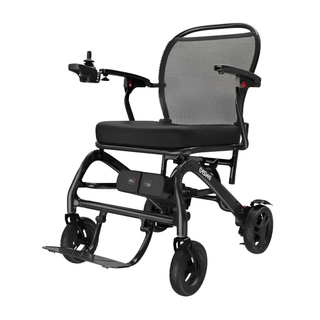
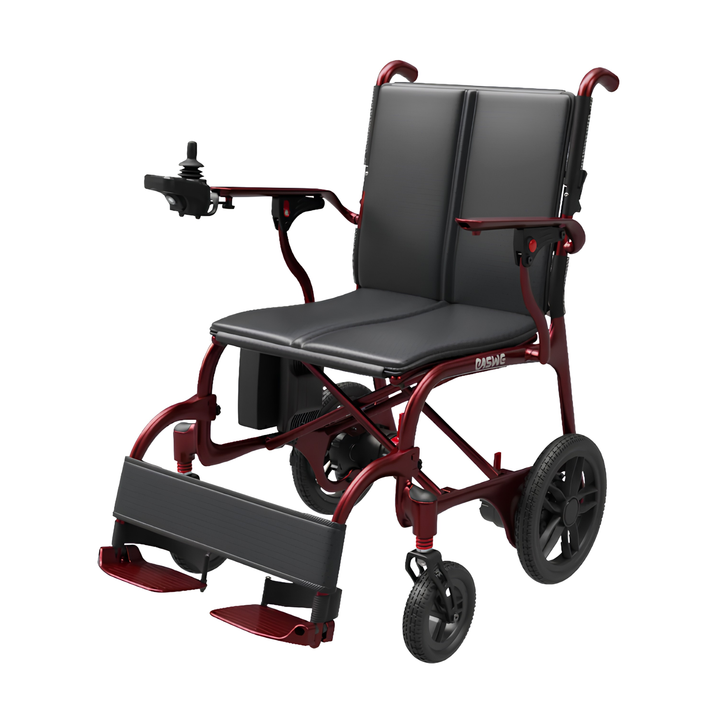
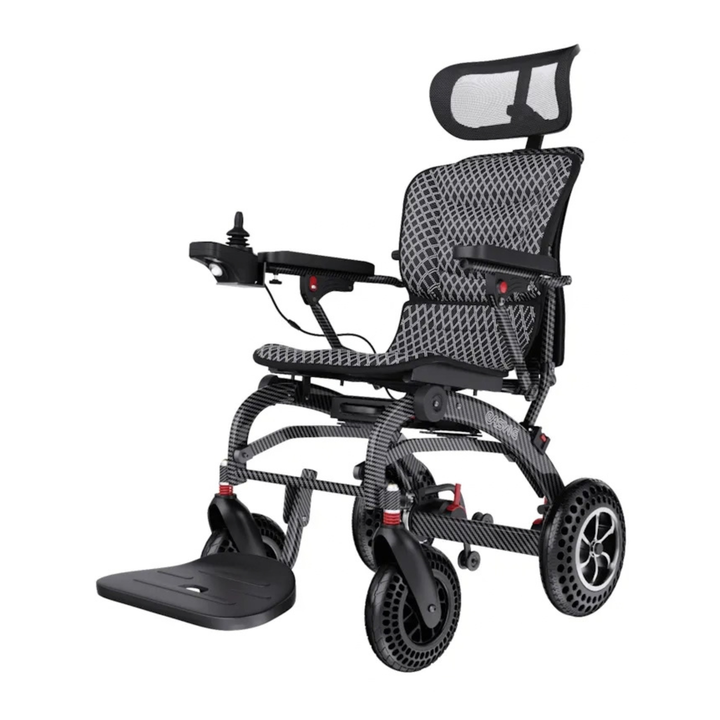
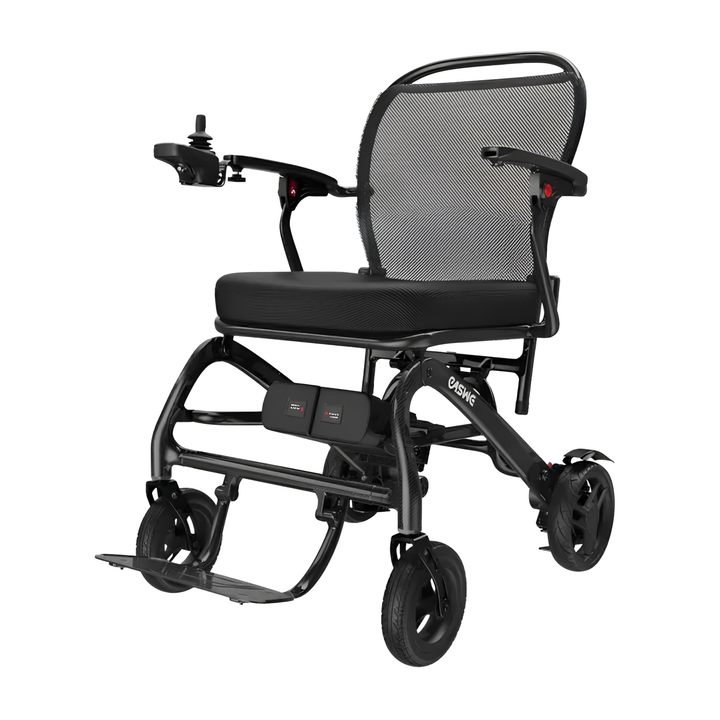
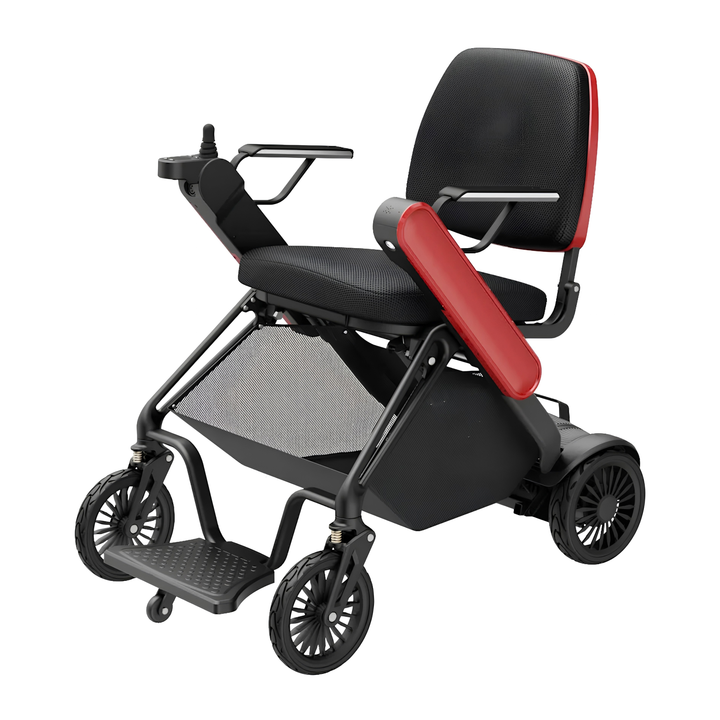
An electric wheelchair needs to suit both the user and the places where it will be used. Start with seating and controls, then compare range, overall width and lifting weight. This collection includes joystick-controlled models, with folding options for car transport and storage.
In short
- Choose an electric wheelchair by seating dimensions, load limit and controls the user can operate.
- Compare total weight, lifting weight and folded dimensions separately.
- Range must refer to the battery configuration actually supplied.
- Check permitted surfaces and transport requirements for the exact model.
Buying guide: choosing a powered wheelchair
Weight and folding – will the electric wheelchair fit in the car?
Distinguish total weight including batteries, weight without batteries and the part that must actually be lifted. “Net weight” does not always explain what is included; ask if the specification is unclear. A folding frame is not necessarily easy to lift.
Measure the boot opening and luggage space against the folded dimensions. Check whether folding is manual or powered and which parts the manual allows you to remove. Automatic folding does not lift the chair into the car.
Range and battery
Compare range for the exact battery capacity and number of batteries. If a range interval is stated, check which configuration each figure describes. Plan the usual round trip with a margin for load, temperature, slopes and surfaces.
Check charging time, charging location and whether the battery can be removed for separate charging. Use the charger and temperature limits specified by the manufacturer.
Seating, load limit and joystick
Compare seat width and depth, backrest, armrests and footrests with the user’s needs. Check transfer space and whether the joystick can be fitted on the required side. Follow the model’s user-weight and load limits. An occupational therapist or another qualified professional can help assess fit where specific seating support is needed.
Wheels, surfaces and brakes
Compare overall width and turning space with doorways, lifts and passages at home. Check permitted slopes, obstacle height and surfaces in the exact model’s manual. Large wheels, anti-tip devices or solid tyres do not guarantee that a chair can handle kerbs, gravel or sideways slopes.
Check how driving, braking and any manual freewheel mode operate. Follow the manual when a companion pushes the chair and when powered drive is re-engaged.
Travelling with an electric wheelchair – car, train and plane
Contact the operator in advance with dimensions, weight, battery type, number of batteries and capacity in Wh. For flights, obtain confirmation for the exact chair and batteries; folding construction or UN38.3 testing is not general airline approval. See IATA’s guidance and follow your airline’s instructions. Check wheelchair-space reservations with rail or bus operators too.
Care and comparison
Follow the model’s instructions for charging, cleaning, storage and checks of wheels, brakes and folding locks. Read the water-resistance rating alongside the manufacturer’s usage guidance; splash protection does not mean unrestricted use in any weather. Ask for missing measurements before buying.
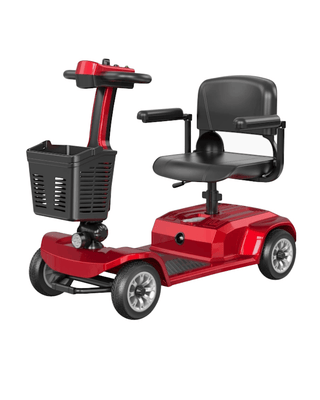
To compare a seated vehicle with a steering tiller, see Mobility scooter. Explore the full range under Mobility.
Frequently asked questions
How much does a folding electric wheelchair weigh?
Weight depends on the model and equipment. Check total weight including batteries and what must actually be lifted. If weight excludes the battery, ask for its weight too.
How far can an electric wheelchair travel on one charge?
Use the manufacturer’s figure for the exact battery version. Battery count, load, temperature and surfaces affect distance. Ask for clarification if a range interval is not explained.
Can I take an electric wheelchair on a plane?
Contact the airline in advance with dimensions, weight and battery details. It needs to assess the exact configuration and provide instructions. Folding construction or UN38.3 testing does not replace that confirmation.
Which seat width and load limit should I choose?
Compare the seat, backrest, armrests and footrests with the user’s measurements and support needs. Follow the manufacturer’s weight limits. Seek help with fitting if suitability is unclear.
Can a companion push the chair?
If the model has a manual freewheel mode, a companion can push it as instructed in the manual. Check the instructions for braking, surfaces and re-engaging powered drive rather than assuming how it works.