







Buying guide
Electric scooter helmet and e-bike helmets – for kids and adults
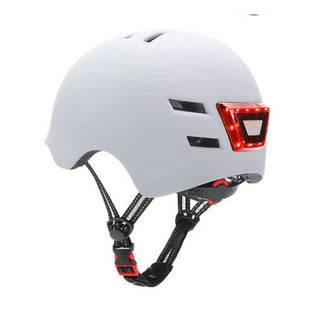
At Wheelyshop you will find helmets for electric scooters, e-bikes and electric unicycles – from lightweight cycle helmets with integrated lights to hard-shell helmets and helmets for children. Every helmet is CE-marked, and we show size, weight and features clearly so you can find an electric scooter helmet that fits properly and that you actually want to wear. Helmet rules vary between EU countries – children often must wear one – and a helmet is the smartest accessory for everyone else. Accessories are shipped throughout the EU – free shipping on orders over €69.90 (otherwise €6.95).
In short
- Measure the circumference of your head just above the eyebrows and choose the size by that measurement – a helmet that wobbles does not protect.
- A cycle helmet is enough for an electric scooter or e-bike up to 25 km/h; if you ride faster on private land or ride an electric unicycle at high speed, a full-face helmet is safer.
- Look for CE marking to EN 1078 – the European requirement for cycle and e-scooter helmets.
- Many EU countries require children to wear a helmet, and kids' helmets should have a green buckle that releases if the child gets caught.
- Replace the helmet after a hard knock and after around five years – the shell and foam age even without visible damage. Every helmet comes with a 2-year warranty (in addition to your statutory rights).
How to choose the right electric scooter helmet
A helmet only protects if it fits properly, is certified and is worn every time. Start from your head measurement, choose the type according to how fast you ride and check the certification – after that it comes down to comfort: ventilation, weight and lights decide whether the helmet actually comes along.
1. Measure your head and choose the right size
Measure the circumference with a tape measure one to two centimetres above the eyebrows and around the widest part at the back. Compare the figure with the helmet's size chart – most helmets cover a span of three to four centimetres and are fine-tuned with the dial at the back. The helmet should sit level, cover the forehead and not rock when the buckle is fastened. The straps should form a V under the ears, and one finger should fit between chin and buckle.
2. Cycle helmet, hard-shell helmet or full-face electric scooter helmet
- Cycle helmet (in-mould): light, well ventilated and the most common choice for an electric scooter or e-bike up to 25 km/h.
- Hard-shell helmet (skate style): tough outer shell, better at withstanding several smaller knocks and popular with children and for city riding.
- Helmet with visor: protects the eyes from wind, rain and grit – practical on an e-scooter every day.
- Full-face helmet: covers the chin and suits powerful electric scooters and unicycles ridden at high speed on private land.
3. Certification – CE and EN 1078
Helmets for bicycles, e-bikes and electric scooters must be CE-marked to EN 1078, the European standard for cycle helmets. Children's helmets follow EN 1080 and have a buckle that releases if the child gets caught. For speed pedelecs up to 45 km/h there is the Dutch NTA 8776 standard with heavier protection. Do not buy a helmet without a visible marking in the shell or on the label, whatever the price. Every helmet at Wheelyshop is CE-marked.
4. E-scooter helmet for kids
In many EU countries children must wear a helmet on an electric scooter or bicycle by law, and it is strongly recommended everywhere. Choose a helmet in the right size today – not one to grow into – with a green safety buckle, bright colours and preferably reflectors. Let the child help choose; a helmet the child likes gets worn more often. Knee, elbow and wrist guards are a good complement, and the full range of electric scooters for children is under kids electric scooters. The rules on helmets, age and cycle lanes are summarised country by country in our guide to electric scooter laws in Europe.
5. Ventilation, weight and lights
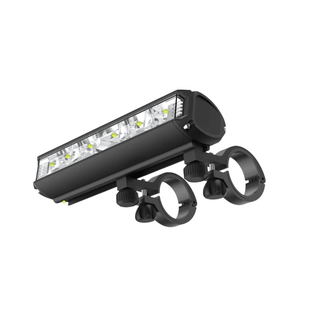
More vents and low weight make the helmet comfortable on warm days and longer rides. Integrated front and rear lights in the helmet make you visible above car traffic and complement the vehicle's own lights – in the dark, the rules in every EU country require lights and reflectors on the electric scooter. A removable, washable liner and a rain cover for the peak are small details that keep the helmet in use all year round. More reflectors and lights are under safety accessories.
6. Care – and when to replace your electric scooter helmet
Clean the helmet with lukewarm water and mild soap, never solvents, and store it somewhere dry and cool. Replace the helmet after a hard knock even if it looks intact – the foam compresses and protects less next time. Also replace it after around five years, as shell and foam age from sun and sweat. Step 1 above walks you through the fit step by step. National rules on helmets and lights are summarised country by country at Your Europe.
Checklist before you order an e-scooter helmet
- Right size by measured head circumference, with an adjustment dial.
- CE marking to EN 1078, kids' helmet to EN 1080 with a green buckle.
- Type by speed: cycle helmet for everyday use, full-face helmet for high speed on private land.
- Ventilation, visor and lights according to how and when you ride.
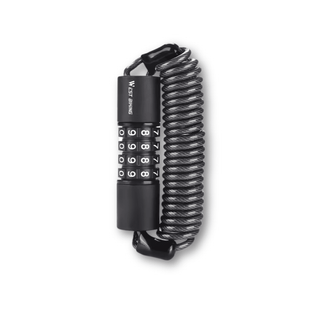
- Lock and lights in the same order if you have just bought the vehicle.
Locks are under electric scooter locks, the full range under electric scooter accessories and the best-selling accessories in our top list of accessories.
Frequently asked questions
Do you have to wear a helmet on an electric scooter?
Rules vary between EU countries – children often must wear a helmet on an electric scooter or bicycle, and in some countries it is compulsory for all riders. Where it is optional it is still strongly recommended: most serious e-scooter injuries are head injuries, and a cycle helmet to EN 1078 reduces the risk considerably.
What size electric scooter helmet should I choose?
Measure the circumference of your head one to two centimetres above the eyebrows and compare with the size chart. The helmet should sit level, cover the forehead and not rock when the buckle is fastened – fine-tune with the dial at the back and the straps under the ears.
Which electric scooter helmet is best?
For everyday riding up to 25 km/h, a lightweight cycle helmet to EN 1078 with good ventilation and preferably integrated lights is the best choice. If you ride powerful models at high speed on private land, a full-face helmet with chin guard gives far better protection.
How often should you replace a helmet?
Replace it immediately after a hard knock, even if the helmet looks intact, because the foam compresses and protects less. Also replace it after around five years – shell and foam age from sun and sweat. Check the buckle, straps and liner regularly.
Which e-scooter helmet suits a child?
A children's helmet in the right size to EN 1080 with a green safety buckle, bright colours and reflectors. In many countries children are required to wear a helmet. Buy the helmet in the right size today, not one to grow into, and add knee, elbow and wrist guards.