













Buying guide
Long range electric bike – go further on every charge
This selection contains electric bikes with a stated range of at least 70 km per charge. The figure may refer to pedal assistance and applies to the specified battery version. Compare riding mode, battery and test conditions when choosing an e-bike for longer commutes or trips.
In short
- Selection: at least 70 km stated range for the relevant version. Compare pedal-assisted and throttle-only range separately.
- Battery: from 36 V 9 Ah (around 320 Wh) to 48 V 65 Ah (just over 3,100 Wh). Several models carry dual batteries and almost all have a removable battery.
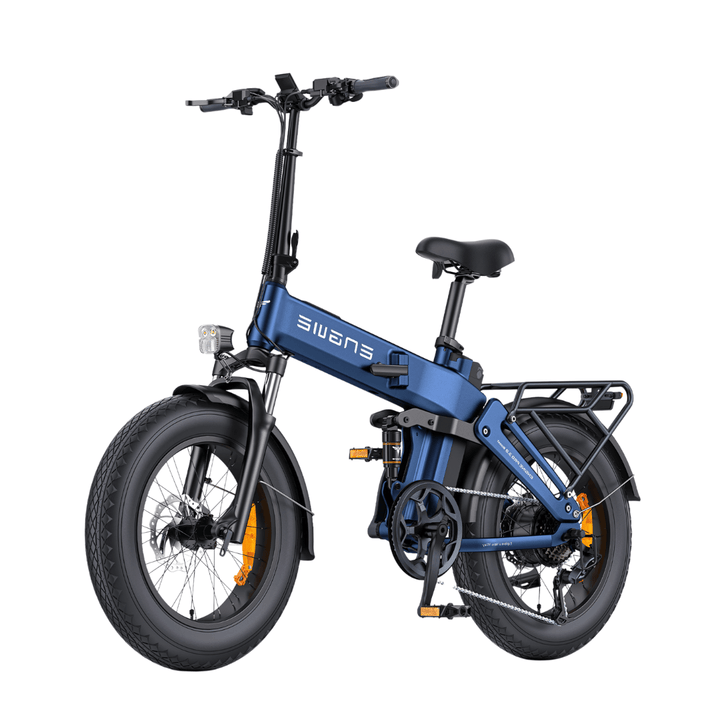
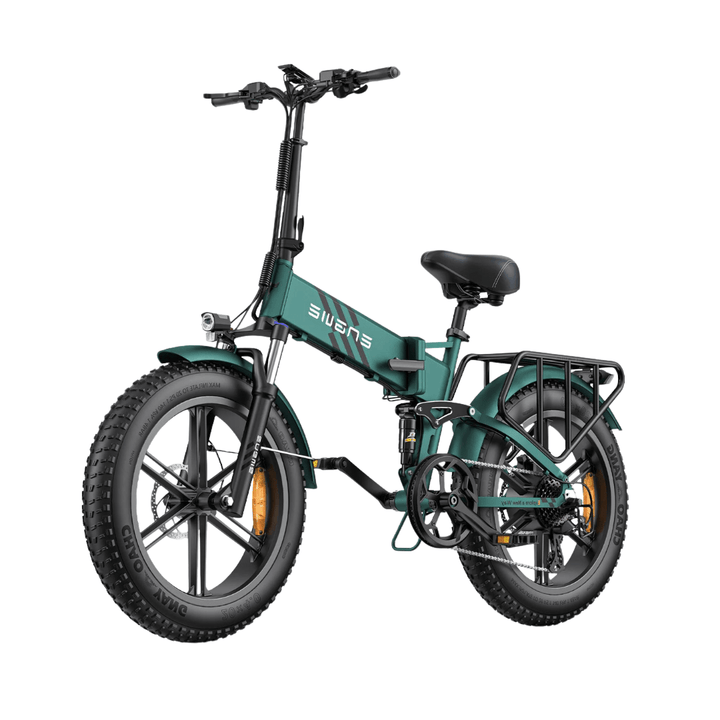
- Who it is for: a long range electric bike suits long-distance commuters, touring riders and anyone who wants to charge less often. A good number of models fold.
- Rules: 250 W with assistance up to 25 km/h counts as a bicycle in the EU. More powerful models are intended for private land.
- Buying terms: free delivery on electric bikes, a 2-year warranty and the option to pay in instalments.
Buying guide: how to choose a long range electric bike in 2026
Range is the specification that differs most between the brochure and real life. That is why this guide starts with what the number actually tells you, moves on to the battery and ends with charging, rules and buying terms. If you want to browse every type, the full selection is under electric bike. Getting more kilometres out of every charge is covered in our guide on how to increase e-scooter and e-bike range.
How far does a long range electric bike really go?
The range on the product page is a stated maximum, not a guaranteed riding distance. Check whether it refers to pedal assistance or throttle-only riding and which battery is included. The same bike may have different ranges with single and dual batteries. Actual range depends on load, assistance level, temperature and terrain; no fixed percentage applies to every model.
- Assistance level: the highest mode can halve the distance compared with the lowest.
- Weight and load: a heavy rider, a child seat or panniers cost energy on every hill.
- Tyres: wide fat tyres roll harder than narrow city tyres. Keep the pressure right.
- Temperature: cold weather noticeably reduces capacity. Store the battery indoors in winter.
- Terrain and wind: hills and headwinds use more than a flat cycle path.
Rule of thumb: pick a model whose stated range is roughly twice your longest regular ride. That covers winter, headwinds and a battery that ages.
The battery decides – volts, amp-hours and watt-hours
The only fair way to compare batteries is watt-hours (Wh): volts multiplied by amp-hours. A 48 V 15 Ah battery holds 720 Wh, while 36 V 10 Ah gives 360 Wh. In this collection the batteries run from about 320 Wh to just over 3,100 Wh, and most sit between 600 and 1,000 Wh.
A light e-bike with a 250 W motor and narrow tyres can travel far on a small battery, whereas a heavy fat bike with a strong motor needs far more watt-hours for the same distance. Look at battery, weight and motor together, not just the kilometre figure. The models here weigh from about 19 kg to nearly 60 kg.
Dual batteries and removable batteries
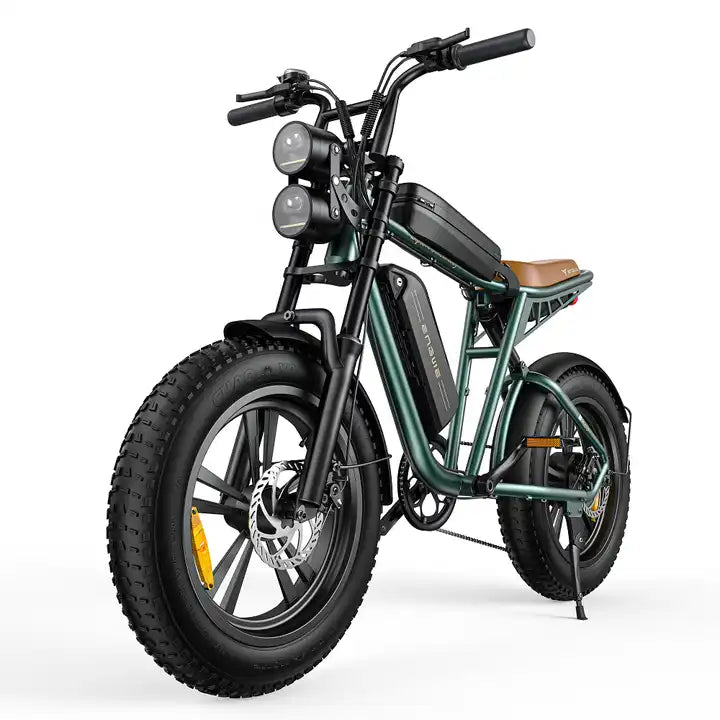
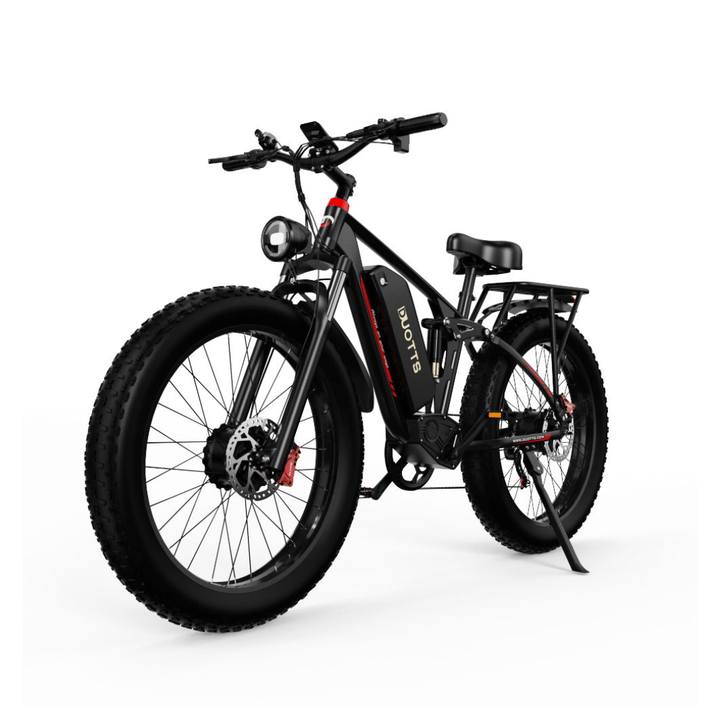
The very longest ranges in the selection, from 180 km upwards, come from models with two batteries or an unusually large battery pack. Dual batteries also bring a practical benefit: you can charge one at a time or leave one at home for short trips.
Almost every electric bike in the collection has a removable battery. You can charge it indoors at work or in your flat, and the battery can be replaced the day its capacity has dropped.
Choose a long range electric bike by how you ride
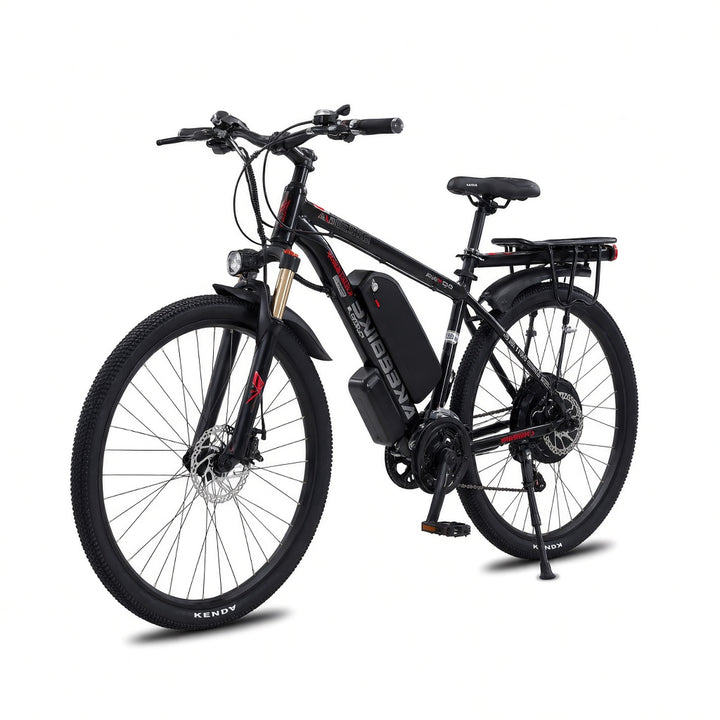
- Long commutes: an EPAC-class model with 26–29 inch wheels rolls easily and may use cycle paths. A stated range of 90–120 km covers most working weeks with a couple of charges.
- Touring and holidays: aim for 700 Wh or more, a rear rack and ideally dual batteries.
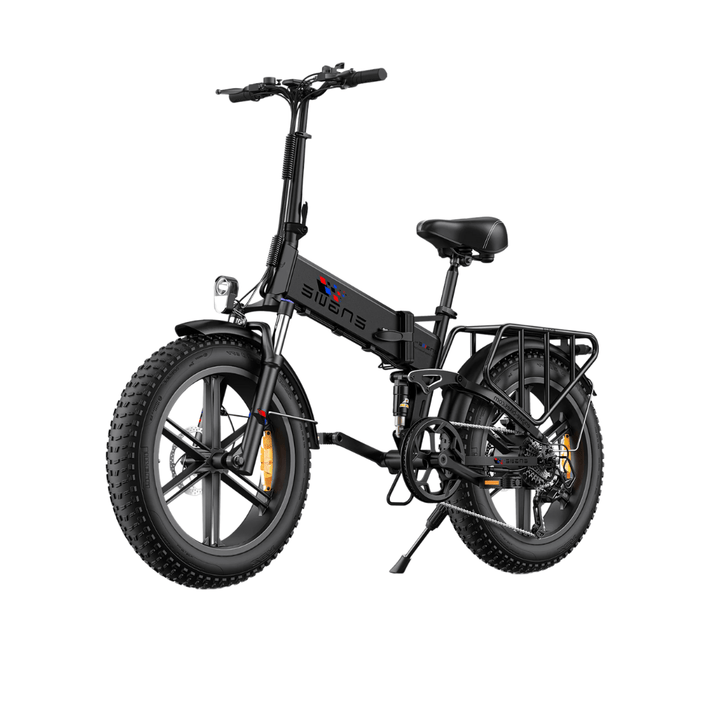
- Motorhome, boat and public transport: a folding electric bike with a large battery takes little space but goes far.
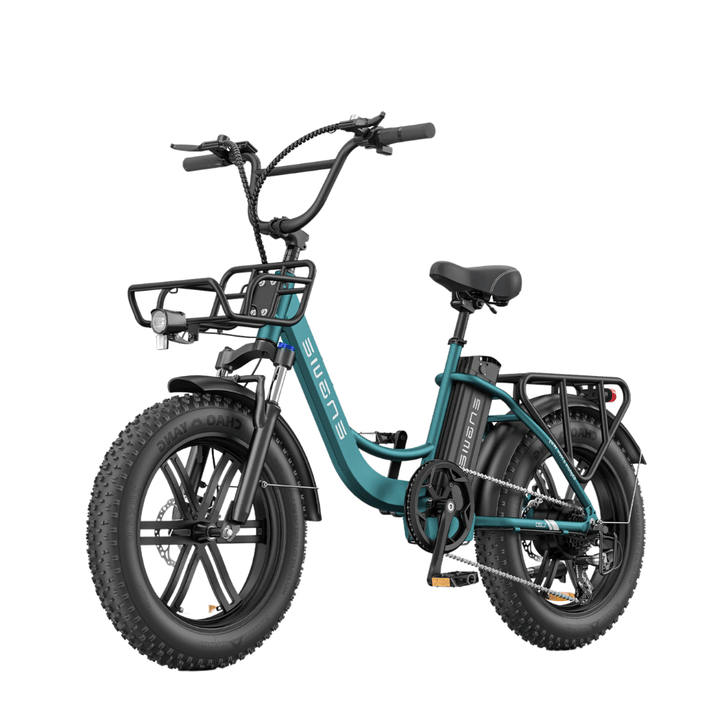
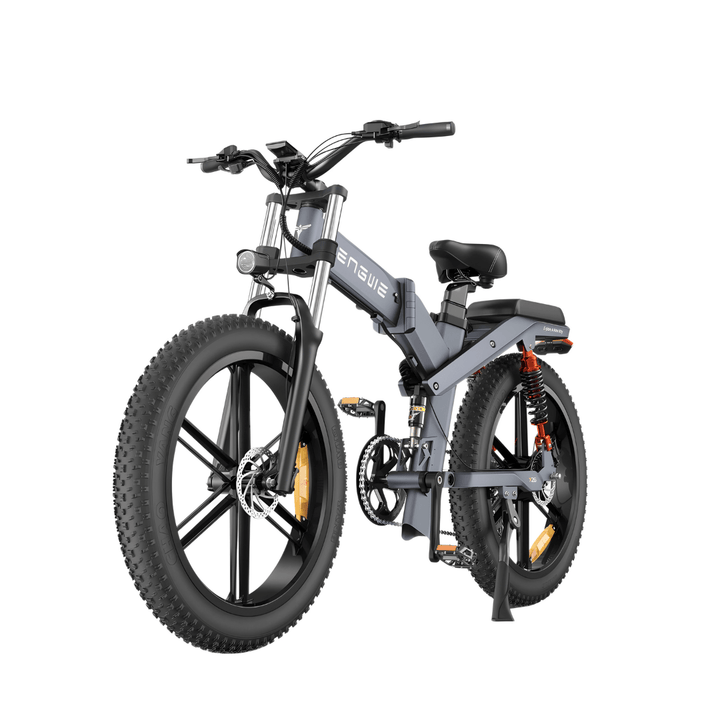
- Gravel, snow and sand: a fat tyre electric bike with a big battery makes up for the higher rolling resistance.
To see which models sell best right now, visit the electric bike top list; current offers are under electric bike promotion.
Rules – bicycle class or a more powerful model
In most EU countries an e-bike counts as a bicycle (EPAC) when the motor has a continuous rated power of no more than 250 W, only assists while you pedal and cuts out at 25 km/h. No licence, registration or insurance is then required; helmet rules vary by country. A number of models in the collection meet these requirements according to the product data.
Many long-distance models have stronger motors, from 500 W upwards. They are often delivered with a 25 km/h speed limiter, but the motor power means they still do not count as bicycles. Such models are intended for private land. Check motor power and speed on the product page and read the national rules via Your Europe.
Charging and care that protect the range
Charging times in the selection range from about 2 to 10 hours. The largest batteries take the longest, while a few models charge in 2–3 hours. Simple habits help the battery keep its capacity:
- Charge little and often rather than from empty. Do not leave the battery fully discharged.
- Store the battery at room temperature and half charged if the bike stands unused for a long time.
- Always use the charger that belongs to the model.
- Keep the tyres pumped and the chain lubricated. You notice it straight away in the range.
Delivery, warranty and help after purchase
All electric bikes ship with free delivery. You have 14-day returns and a 2-year warranty in addition to your statutory rights, and you can pay in instalments. The terms are on the warranty page, and customer service will help you compare batteries or find spare parts.
Frequently asked questions
How far does a long range electric bike go?
This collection requires a stated range of at least 70 km. For many e-bikes, this refers to pedal assistance in favourable conditions. Check the riding mode and battery version on the product page and allow a margin for your own journey.
Which electric bike has the longest range?
Compare the stated range in the same riding mode and with the battery version included in your purchase. Larger or dual batteries can store more energy, but bike weight, assistance level and test conditions also affect the result.
How big a battery does a long range electric bike need?
Count in watt-hours, that is volts multiplied by amp-hours. For long commutes, 600–800 Wh is a good starting point on a light bike. A heavy fat bike, or a bike often ridden on high assistance, needs 1,000 Wh or more for the same distance.
Can I ride a long range electric bike on cycle paths?
Yes, if it counts as a bicycle: in most EU countries that means no more than 250 W continuous rated power and assistance that stops at 25 km/h. Range does not affect the classification. Models with a stronger motor are intended for private land, even when they have a speed limiter.
How long does it take to charge an e-bike with a large battery?
Between about 2 and 10 hours depending on battery size and charger. Most models in the collection charge in 5–8 hours, in other words overnight or during a working day. With a removable battery you can charge indoors.