
The range on paper is rarely the range on the road. The good news: most of what steals kilometres is within your control – without buying anything new. The figures below come from battery research and the manufacturers' own data.
How to increase e-scooter range: the habits that help
You increase range by cutting consumption per kilometre and keeping the battery in good shape:
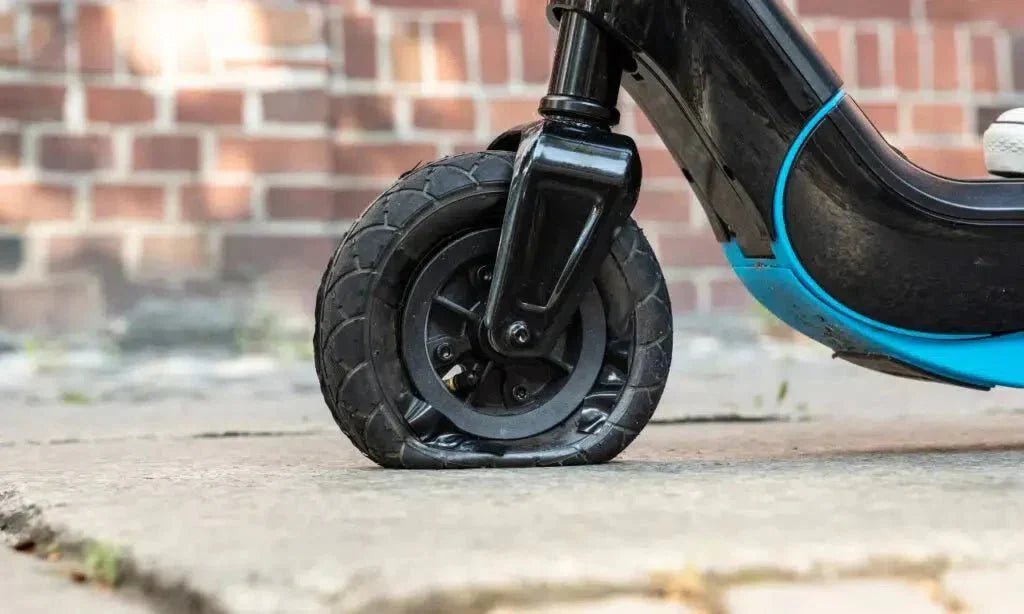
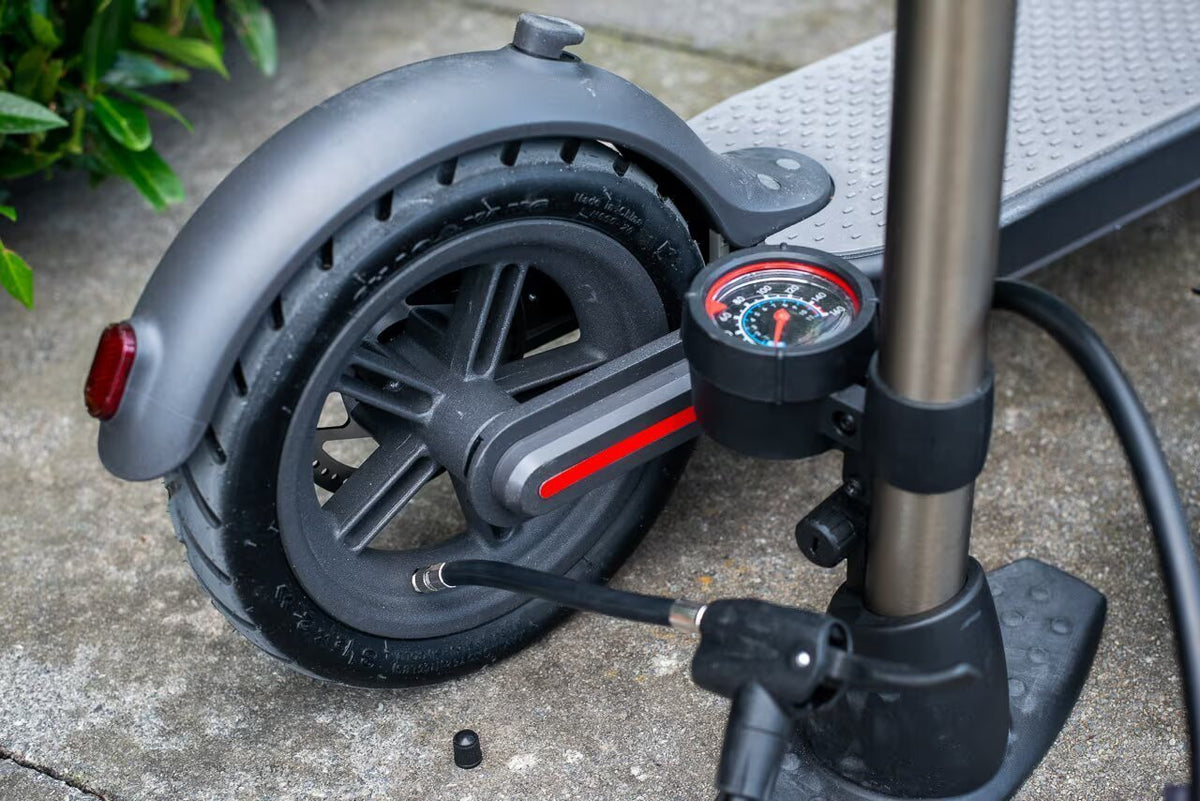
- Pump up the tyres to the recommended pressure.
- Ride in Eco mode at a steady speed with fewer stop-starts.
- Travel light – every kilo has to be hauled up every hill.
- Keep the battery warm – store the scooter or battery indoors when it is cold.
- Charge between 20 and 80 % day to day, and to full only before long rides.
- Store it half-charged (30–60 %) at room temperature over winter.
What affects the range of an e-scooter or e-bike?
A battery's energy is measured in watt-hours (Wh) – voltage (V) times capacity (Ah). A 48 V, 15 Ah battery therefore holds 720 Wh. Range is essentially that energy divided by how many watt-hours you use per kilometre, and it is consumption that varies so much. Bosch, which builds drive systems for e-bikes, states that the same battery can last anywhere from 23 km to 145 km depending on conditions.
| Factor | How it affects range | What you can do |
|---|---|---|
| Battery capacity (Wh) | The foundation – more Wh means more kilometres. | Choose a model for your real commute, not for the headline figure. |
| Speed and ride mode | Air resistance grows quickly with speed; Turbo/Sport draws several times more than Eco. | Ride in Eco mode, keep a steady speed. |
| Rider weight and load | Bosch treats 105 kg total weight as "favourable" and 150 kg as "difficult". | Pack light, remove unnecessary accessories. |
| Temperature | Cold raises the battery's internal resistance. At −18 to −20 °C only about 50 % of the capacity can be drawn. | Start with a warm battery, store indoors. |
| Tyre pressure and tyre type | Too little pressure increases rolling resistance; knobbly and solid tyres roll heavier. | Check the pressure every week. |
| Terrain and surface | Hills, gravel and wet asphalt cost energy. | Choose flat, dry roads when you can. |
| Wind | A headwind works like a permanent uphill. | Slow down in a headwind, ride in a compact position. |
| Stop and start | Every acceleration from standstill draws the most current. | Roll towards red lights instead of braking late. |
Want to see how the factors interact for an e-bike? The Bosch Range Assistant lets you change weight, wind, surface, tyres, season and ride mode and shows immediately how far the battery will go.
How far does an electric scooter go? Stated vs real range
Manufacturers measure range under conditions few of us ride in. Segway, for example, specifies for the Ninebot Max G2 E: full battery, 75 kg load, 25 °C and an average of 16 km/h on asphalt – which gives 70 km from a 551 Wh battery. Ride at 20 km/h in mixed city traffic, weigh more than 75 kg and have 5 °C outside, and you can expect considerably less.
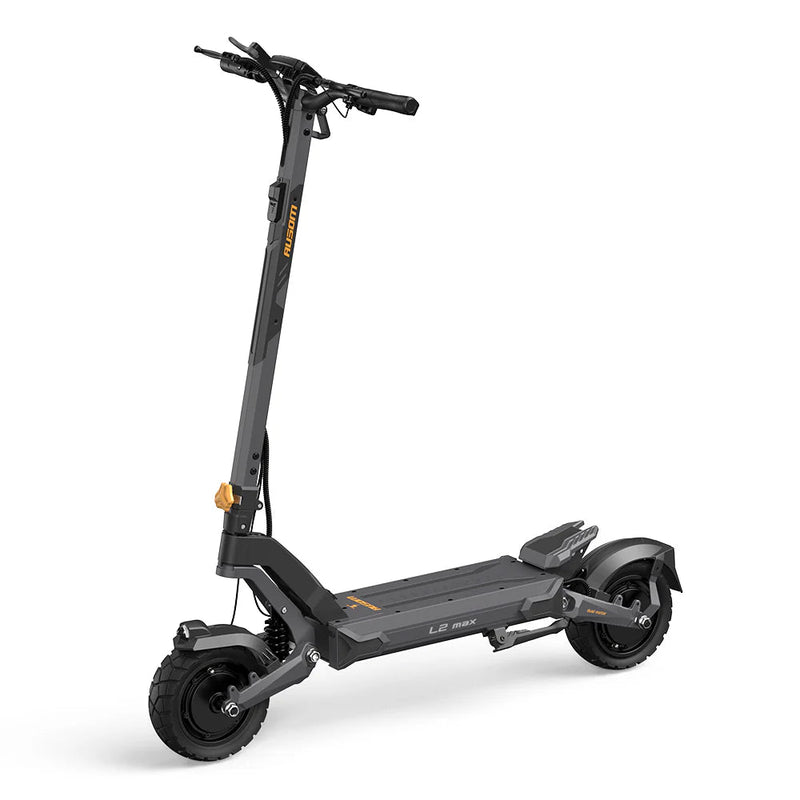
A practical rule of thumb for everyday riding is to plan for 50–70 % of the stated range in summer and even less in winter. If you need 25 km there and back to work, look at models rated for at least 40–50 km. Compare battery size in watt-hours between models – that figure does not lie. Models with extra-large batteries are found among our long range electric scooters and long range electric bikes.
How to charge an e-scooter correctly and protect the battery
A lithium-ion battery loses capacity over time, and how you charge decides how fast. Battery University shows that a battery that is always charged full and run flat lasts around 300–500 cycles, while shallower cycles multiply that number. This is how you get both longer range today and a healthy battery in three years:
- Charge to around 80 % day to day and top up to 100 % only before a long trip. Many e-scooters and e-bikes let you set a charge limit in the app.
- Do not run the battery completely flat. Charge when you are at around 20 %.
- Never charge a cold battery. Lithium-ion cells may only be charged between 0 and 45 °C; below zero, metallic lithium plates onto the anode and the damage is permanent. Bring the vehicle or battery indoors and wait an hour or so before plugging in the charger.
- Charge at room temperature, under supervision and with the original charger. That is the advice from both battery researchers and manufacturers – and it protects the battery as well as your home.
- Avoid heat. A fully charged battery kept at 40 °C loses about 35 % of its capacity in a year; at 25 °C and 40 % charge, only 4 %.
Wondering what a charge costs? A 500 Wh battery holds half a kilowatt-hour – so a full charge from empty uses about 0.5 kWh of electricity – a fraction of what a tumble-dryer load takes. The full calculation is in our article on how much it costs to charge an electric scooter.
Range in winter: e-bike and e-scooter in the cold
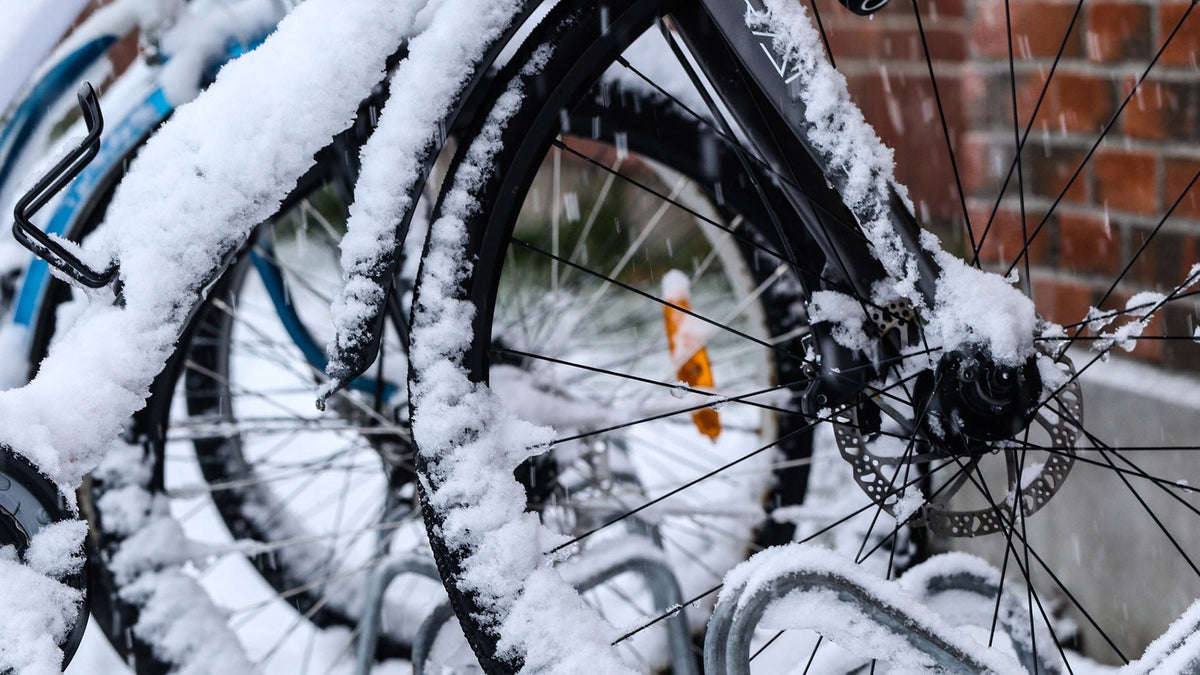
Cold affects range in two ways. The battery's internal resistance increases so less energy can be drawn, and everything rolls heavier on snow, slush and winter tyres. Battery University states that most lithium-ion batteries sit at around 50 % performance at −20 °C, and Bosch says outright that you should expect shorter range in winter.
How to minimise the loss:
- Store the e-bike's battery – or the whole e-scooter – indoors and fit it just before you ride. Bosch recommends exactly this at temperatures below 0 °C.
- A battery cover or thermal sleeve keeps the heat in on longer rides.
- Charge indoors once the battery has reached room temperature, never in a cold garage.
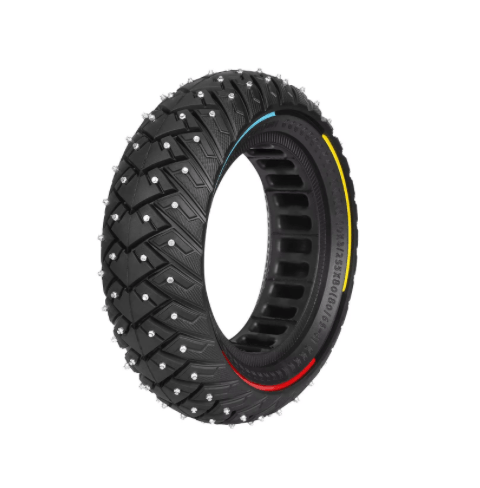
If the vehicle will stand idle over winter: charge to 30–60 %, store it dry at room temperature and check the level every other month. Bosch advises against storing the battery fully charged or completely empty in the cold. Studded tyres, mudguards and covers are found among our winter accessories for electric scooters.
Checklist: 10 steps to increase range right away
- Check the tyre pressure every week. Ride at the manufacturer's recommended pressure; Bosch suggests staying close to the maximum permitted for the least rolling resistance.
- Select Eco mode and save Sport/Turbo for hills.
- Keep a steady speed. Air resistance grows with the square of speed – a couple of km/h lower average speed shows clearly in consumption.
- Roll, brake gently. Fewer hard stops mean fewer energy-hungry accelerations.
- Pack light. Leave the backpack at home when you can.
- Ride compact. Bend your knees slightly and keep your arms in – air resistance decides at higher speeds.
- Check that the brake is not dragging. Spin the wheel freely; a wheel that stops at once costs kilometres.
- Replace worn or wrong tyres. Worn, cracked or overly knobbly tyres roll heavier – see tyres for electric scooters.
- Pedal along on the e-bike. Bosch states that a cadence above 50 rpm gives the best efficiency; use a low gear on hills.
- Keep the battery warm and charge correctly as described above.
When the range still is not enough
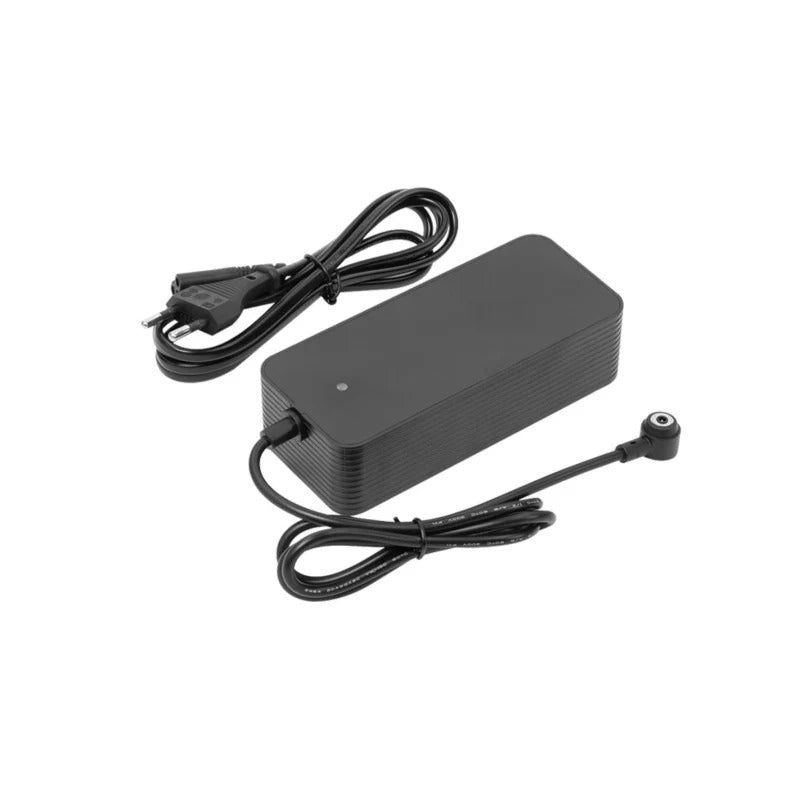
If your commute is close to the limit even after these tips, the battery is the bottleneck. Many e-bikes and some e-scooters have a removable battery – a spare battery for your electric scooter or e-bike in the bag doubles the range on a long day. From February 2027 the EU battery regulation also requires batteries in light electric vehicles to be replaceable by a professional. A spare charger for your electric scooter at work is the easiest way to always start the ride home with a full battery.
Frequently asked questions about e-scooter and e-bike range
How far does an electric scooter go on one charge?
It depends on the battery size in Wh, your weight, speed and temperature. The manufacturer's figure is often measured with a 75 kg rider, 25 °C and 16 km/h on flat asphalt – expect 50–70 % of it in real traffic, and less in winter.
What is the quickest way to increase e-scooter range?
Pump up the tyres, ride in Eco mode at a steady speed and avoid unnecessary load. These three steps cost nothing and have the biggest effect.
How much does e-bike range drop in winter?
At −20 °C a lithium-ion battery can deliver only about half its capacity, and heavy surfaces draw even more. Store the battery indoors and fit it just before you ride.
Should I charge my e-scooter to 100 % every time?
No, not day to day. Charge to around 80 % and top up fully only before long trips. Do not run the battery completely flat, and never charge it when it is cold.
How do I store the battery over winter?
Charge to 30–60 %, store it dry at room temperature and check the level every other month. Never store a fully charged or completely empty battery in the cold.
Want a model that handles longer distances from the start? Compare battery size in watt-hours among our long range electric scooters – that is the figure that decides.