
Buying guide
Ride-on suitcase – find the right design
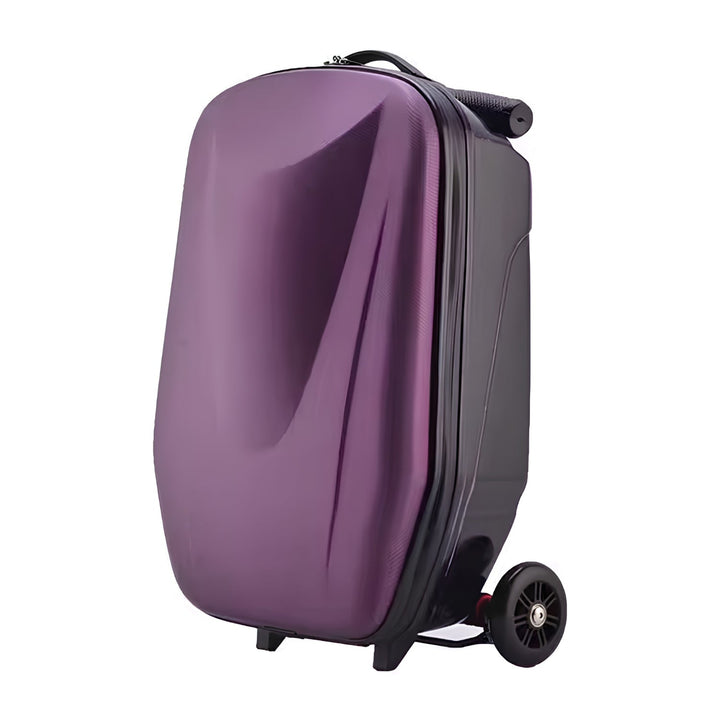
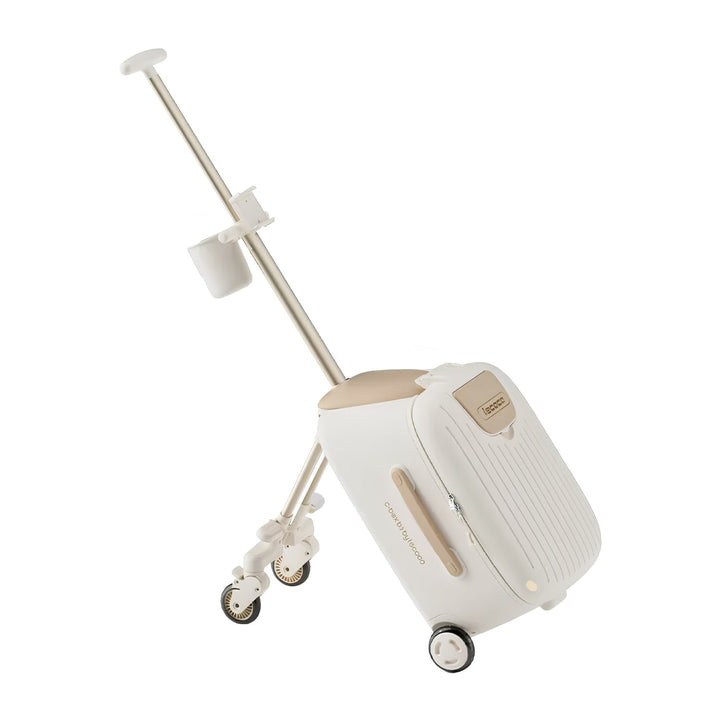
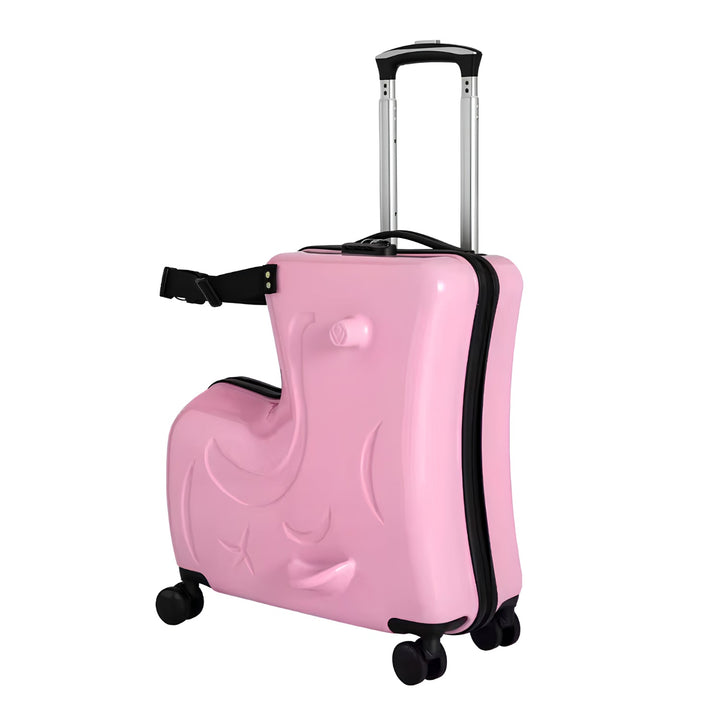
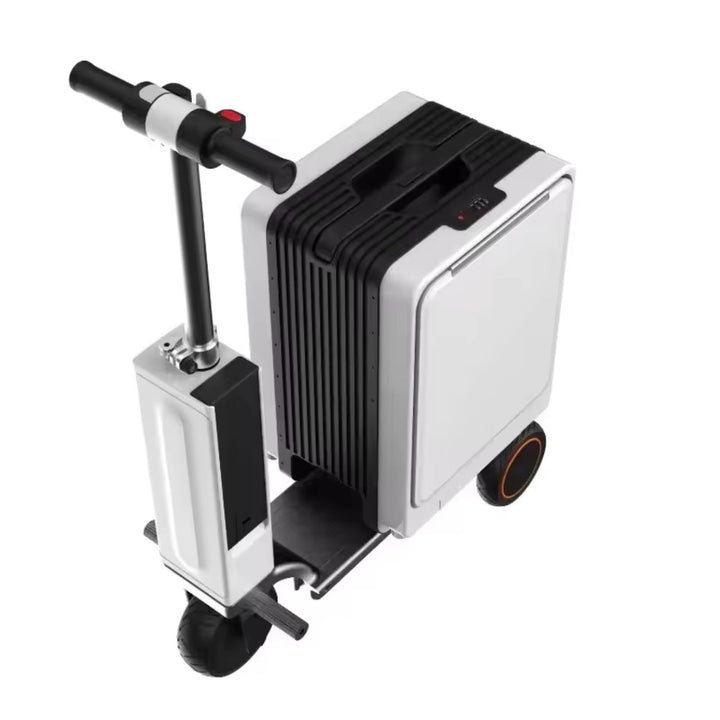
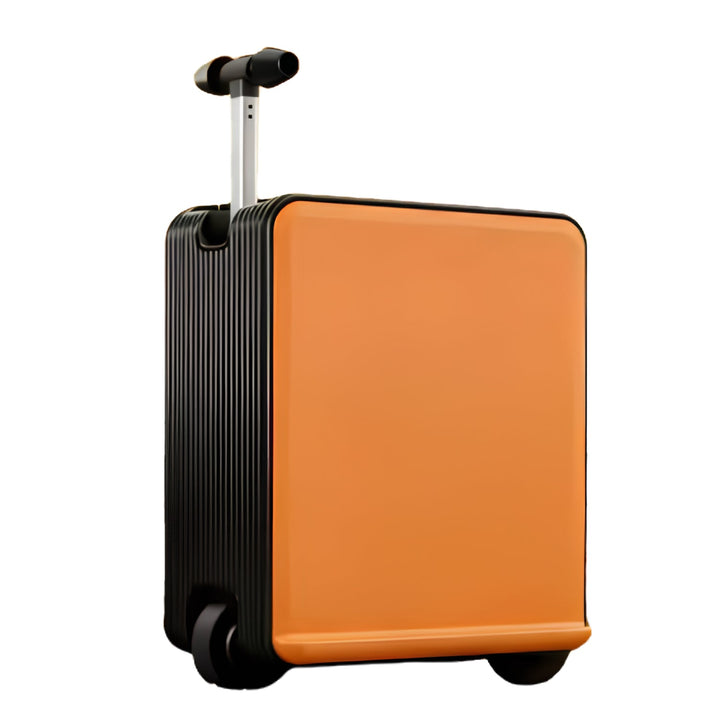
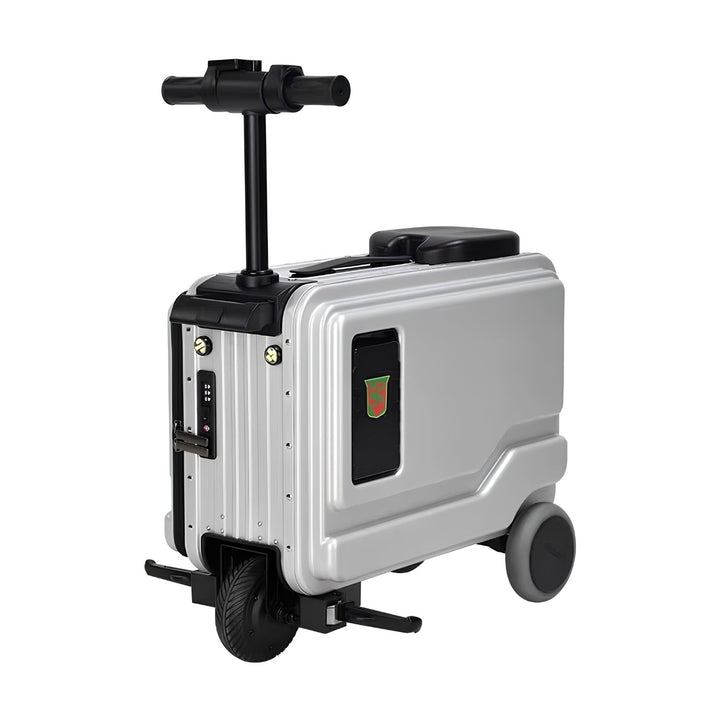
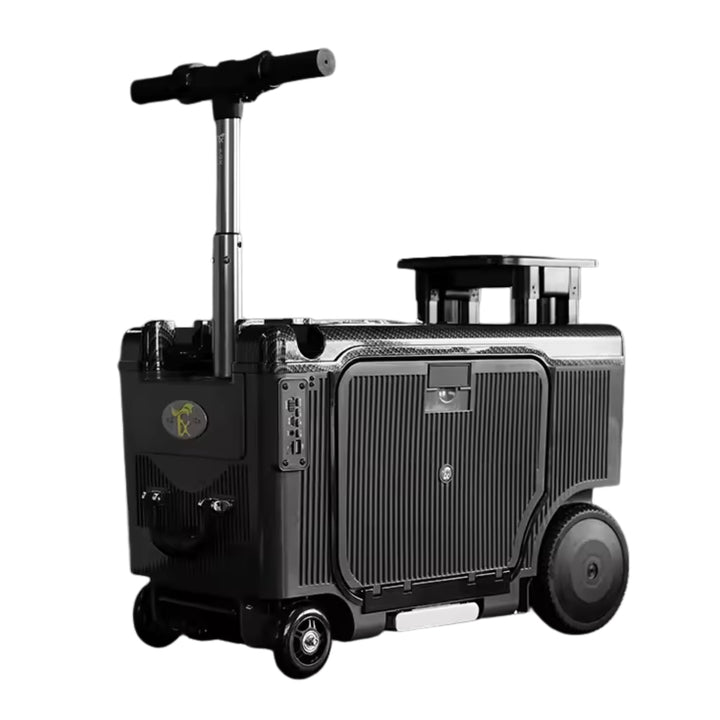
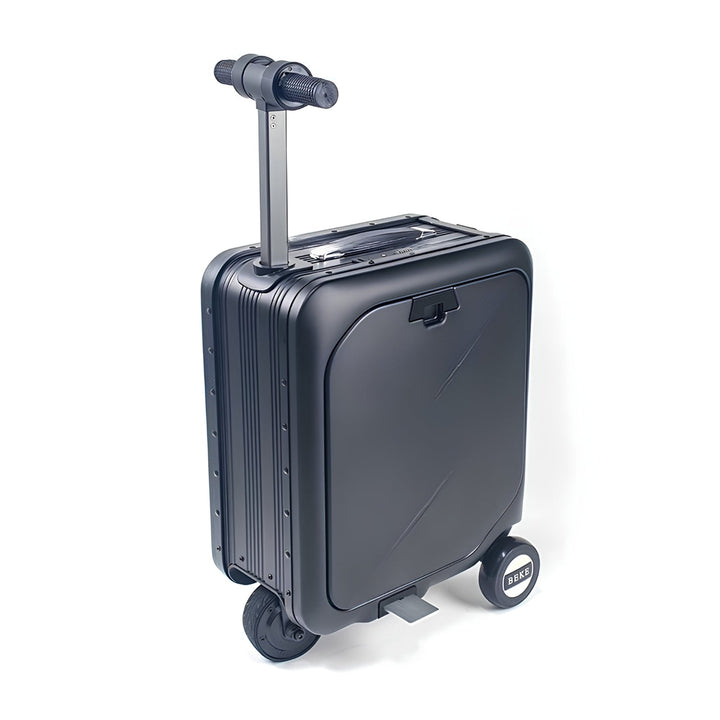
Looking for luggage that also lets you ride? Start with the way it works: a child's seated case, a fold-out kick-scooter platform or an electric drive. The design determines who can use it and how easily it handles when the riding parts are folded away.
In short
- A ride-on suitcase combines luggage space with a purpose-designed riding function.
- Electric drive, a manual scooter platform and a child's seat work differently.
- Compare the rider's weight, recommended age and the model's load limit.
- Check overall dimensions, empty weight and any battery information before travelling.
How to compare a ride-on suitcase
Electric ride-on suitcase or manual design
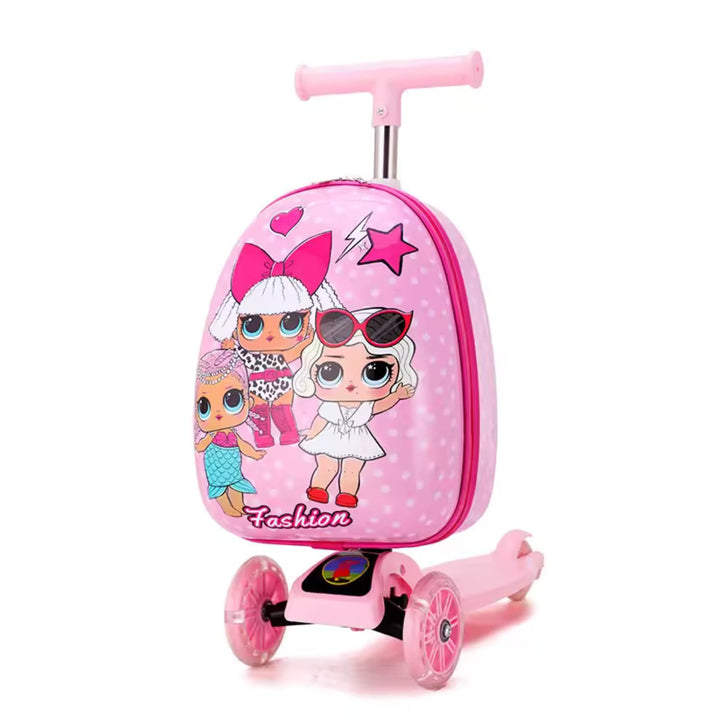
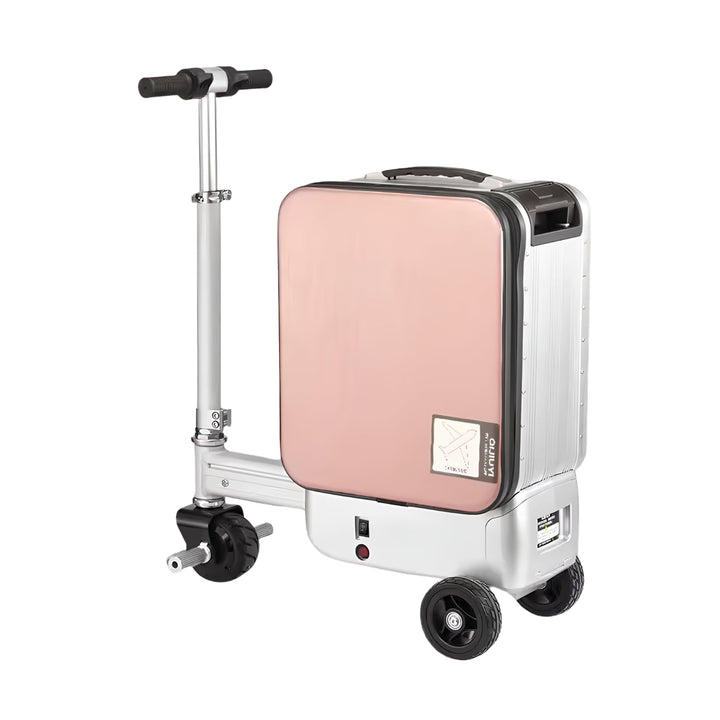
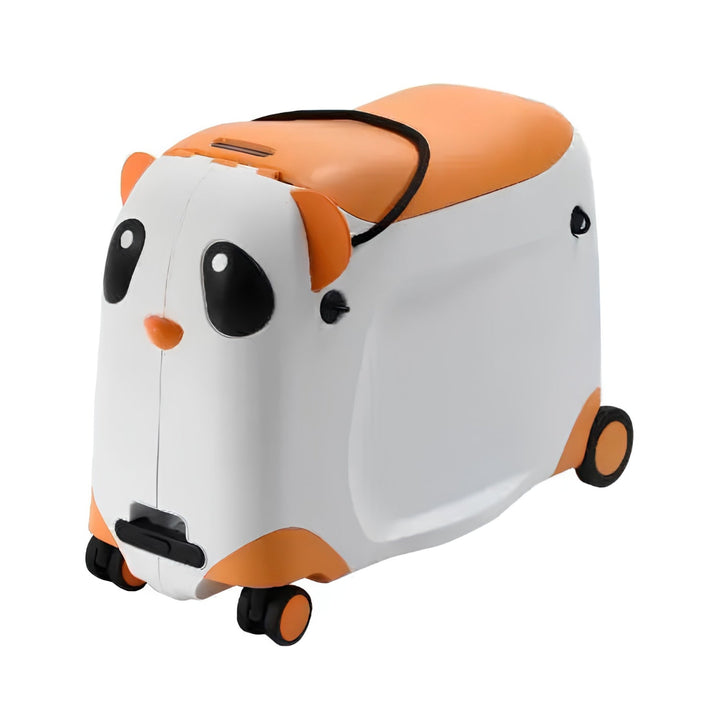
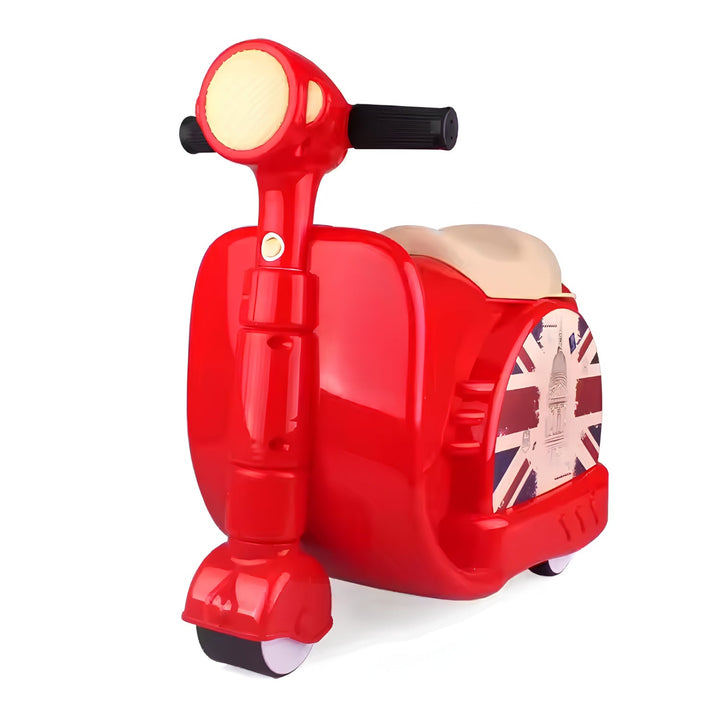
An electric model uses a motor and battery for propulsion. Controls, braking, seating position and a detachable luggage compartment vary between designs. A manual scooter suitcase has a standing deck and moves when the rider pushes with a foot. Children's seated cases are designed for sitting and rolling or being pulled as described in their instructions. Smart features, light-up wheels or a USB port do not by themselves indicate electric propulsion. Look at the unfolded design and check what is actually supplied.
Choose a ride-on suitcase for the intended rider
Start with a model intended for the person who will ride it. Check the age recommendation, foot supports, grips and how its seat or deck is used. A large-looking shell does not make a child's model suitable for adults. Establish what the stated load limit covers: the rider, the contents or their combined weight. Handle height is not the same as the recommended rider height. Children need supervision and the model's instructions must be followed. A seated suitcase should not automatically be treated as an approved pushchair.
Packing space, folding and everyday handling
Compare external dimensions in transport mode, including wheels, handles and protruding parts. An inch size or the words cabin suitcase cannot replace those measurements. Consider the empty weight as well as your belongings when deciding whether you can comfortably lift it. Check the opening, internal compartments and whether you can reach your packing without deploying the riding parts. Fold and secure the handle, seat or deck as the manual describes. Check wheels, fittings and any brake before use, and follow the location's rules on riding.
Battery details and travel arrangements
For an electric version, check the battery's marked Wh rating, removal procedure and charging instructions. A TSA lock, compact shape or removable battery does not guarantee acceptance on a flight. Airlines may prohibit motorised ride-on luggage even with the battery removed; see, for example, KLM's restrictions on motorised baggage. Ask your airline about the exact model before booking. Check the dimensions and weight for every leg of the journey. Charging, range and app features refer to the individual model and version, not the entire category.
For younger family members, explore children's ride-on suitcases. You can also browse our wider range of accessories.
Frequently asked questions
Is a ride-on suitcase always electric?
No. The category includes motorised luggage, manual scooter suitcases and children's seated cases. Check the propulsion and riding function; wheels or a USB port do not prove it is electric.
Which ride-on suitcase is suitable for adults?
Choose a model with documented adult use and a sufficient load limit. Check whether luggage is included in that limit and whether the handle, seat or deck suits the rider.
Can I take a ride-on suitcase on a plane?
It depends on the airline and the exact design. A removable battery is not an approval. Confirm the model, battery, external dimensions and weight with the airline before travelling.
What should I check on a child's ride-on suitcase?
Check the intended age, load limit, foot supports, grips and documented seated or scooter function. Follow the model's instructions for straps and supervision; do not assume every case has the same equipment.