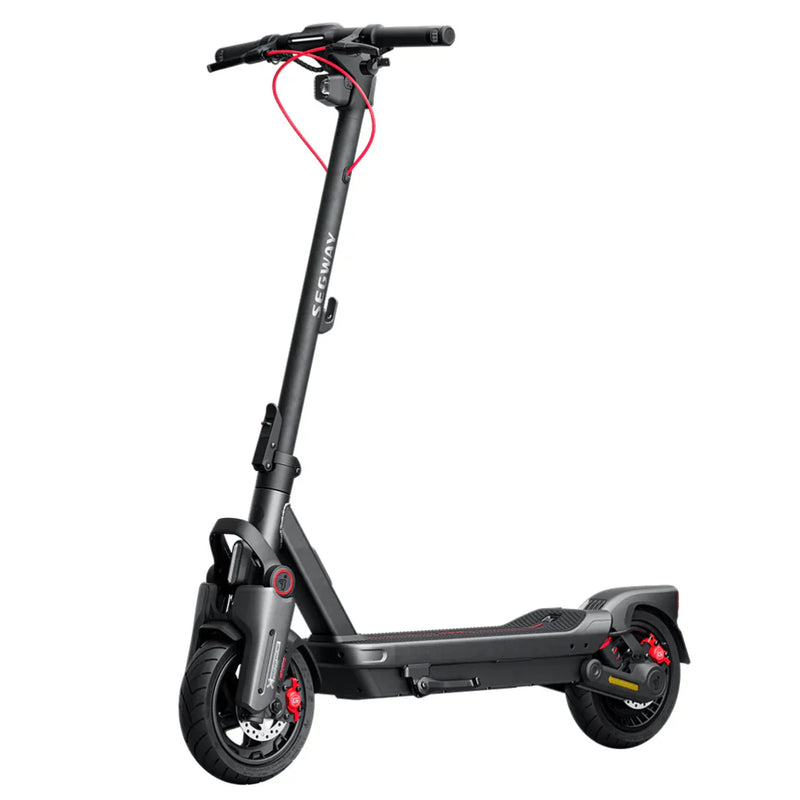

There is no single set of electric scooter laws in Europe. The EU sets the frame, but every country decides for itself how fast an e-scooter may go, how old you must be, whether you need a helmet and whether the scooter has to be insured or registered.
What are the electric scooter laws in Europe?
- The EU vehicle regulation 168/2013 excludes e-scooters, so each country sets its own rules.
- Most countries cap private e-scooters at 20 or 25 km/h and set a minimum age of 14–16 years – Cyprus and Greece require 17, and Ireland 18 from 2 October 2026.
- Helmets are compulsory for every rider in Bulgaria, Croatia, Cyprus, Denmark, Greece, Ireland, Italy and Lithuania, on scooters that can exceed 20 km/h in Belgium (since 1 September 2026), and in Spain from 1 October 2026; many others require one for minors, while Germany, Portugal, Sweden (over 15) and the Netherlands only recommend one.
- Insurance is compulsory in Bulgaria, France, Germany, Greece, Italy, Latvia, Malta, the Netherlands and Spain, and Italy, Latvia, Malta, the Netherlands and Spain also require registration or a plate. Several others, Sweden and Romania among them, require it only above a weight or speed threshold (typically over 25 kg) – and a private scooter needs none in Cyprus, Denmark or Ireland.
- Most countries ban pavements and send you to cycle paths or the road – exceptions include Estonia (pavements allowed), Malta (up to 10 km/h on footpaths), Croatia (where there is no cycle path), Luxembourg (riders aged 10–13) and France (where the mayor allows it).
- A scooter that exceeds your country's limits may only be used on private or enclosed land.
What the EU regulates – and what it leaves to each country
Regulation (EU) No 168/2013 governs the type approval of two- and three-wheeled vehicles. Article 2(2) explicitly excludes pedal-assisted bicycles up to 250 W and 25 km/h, self-balancing vehicles and vehicles without a seat – which is where e-scooters fall. That is why an e-bike is a bicycle in every EU country while an e-scooter can be a bicycle in Sweden, a "light motor vehicle" in Slovenia and a type-approved, insured vehicle in Germany. For e-bikes the picture is much simpler; read our guide to electric bike laws in Europe.
The EU's own Your Europe portal puts it plainly: road rules differ between EU countries, and you are expected to follow the rules of the country you are riding in – including when you travel with a scooter you bought at home.
What most countries have in common
Read across the table below and a pattern appears. Nearly every country limits private e-scooters to 20 or 25 km/h and sends riders to cycle paths (or the road where there is none), and most set a minimum age between 14 and 16 – the exceptions range from no minimum age in Sweden and Portugal to 17 in Cyprus and Greece and 18 in Ireland from 2 October 2026. Most also ban pavements, but not all: Estonia allows them, Malta allows footpaths at up to 10 km/h, Croatia allows them where there is no cycle path, Luxembourg lets riders aged 10–13 use them, and in France the mayor may permit them. Passengers are prohibited almost everywhere. Where the countries differ most is on helmets, insurance and registration: Germany, France, Italy, Spain, the Netherlands, Greece, Latvia, Malta and Bulgaria treat the e-scooter as an insured vehicle, while Sweden, Denmark, Finland and Ireland treat it more like a bicycle – although Denmark and Ireland require a helmet for every rider. Every one of our electric scooters shows top speed and motor power on the product card, so you can match a model to the rules where you live.
Electric scooter laws by country
Key facts per country, checked against the national authority or the official law text in September 2026. Rules change often – confirm the current rules with the linked source before you buy and before you ride.
| Country | Key rules for private e-scooters | Source |
|---|---|---|
| Austria | E-scooters up to 600 W and 25 km/h follow bicycle rules, never on the pavement; since 1 May 2026 a helmet is mandatory under 16 and a bell and indicators at the handlebar ends are required. Children under 12 only with supervision or a cycling licence. | oesterreich.gv.at |
| Belgium | Minimum age 16 (younger riders only on RAVEL paths and in pedestrian zones), max 25 km/h, no passengers, never on the pavement (not even at walking pace); since 1 September 2026 a helmet is mandatory on e-scooters that can go faster than 20 km/h. | AWSR (road safety agency) |
| Bulgaria | Minimum age 16 and a helmet for every rider; max 25 km/h, cycle lanes or roads limited to 50 km/h, no riding after dark and no passengers. Liability insurance and registration are required by law, but registration is not yet possible because the implementing ordinance has not been adopted. | State Agency Road Safety |
| Croatia | Minimum age 14; helmet mandatory for all riders; cycle paths, or – where there are none – the pavement and pedestrian areas, with care for pedestrians; one rider only; reflective vest at night and in poor visibility. | Croatian Police |
| Cyprus | Minimum age 17 since May 2026 and a helmet for every rider; max 25 km/h, only on cycle lanes and roads signposted 30 km/h, not on pedestrian streets or squares unless signed; no insurance required. | Public Works Department |
| Czechia | An e-scooter counts as a bicycle if limited to 25 km/h and 250 W; helmet mandatory under 18; not on the pavement; liability insurance required if it weighs over 25 kg. | Czech Police |
| Denmark | Minimum age 15 (younger only with an adult), max 20 km/h and 25 kg, bicycle helmet mandatory, lights on at all times, bicycle rules apply; no insurance needed for a private scooter. | Færdselsstyrelsen |
| Estonia | Max 25 km/h and 1 kW; helmet mandatory under 16; cycle paths and pavements, the road only where neither exists (riders aged 8–15 only with an adult or a cycling licence); motor insurance required if the scooter is built for over 25 km/h, or for over 14 km/h and weighs over 25 kg. |
Transpordiamet Traffic Insurance Fund (insurance) |
| Finland | Light electric vehicle up to 25 km/h and 1 kW; minimum age 15; bicycle rules, not on the pavement, no passengers; the law says riders should generally wear a helmet, but there is no fine; traffic insurance if over 25 kg. | Traficom |
| France | Minimum age 14, limited to 25 km/h, one rider, liability insurance mandatory; cycle paths where they exist, otherwise roads limited to 50 km/h; no pavements unless the mayor allows it; helmet mandatory in Paris and several départements and on 80 km/h roads outside towns. Our French guide. | Service-Public |
| Germany | Only e-scooters with a type approval (ABE) and insurance sticker; 6–20 km/h, max 500 W, minimum age 14, cycle paths or road, no helmet obligation. From 1 March 2027 traffic rules are largely aligned with cycling rules, and new scooters from 2027 must have indicators. Our German guide. | eKFV |
| Greece | E-scooters up to 25 km/h follow bicycle rules and are banned from roads with a limit above 50 km/h; helmet mandatory for all riders. Since July 2026 minimum age 17 and third-party liability insurance mandatory. | Greek Government |
| Hungary | No dedicated e-scooter rules in the Highway Code yet – a new code is being prepared. Compulsory motor insurance since 16 July 2024 for scooters faster than 25 km/h, or heavier than 25 kg and faster than 14 km/h. | Magyar Nemzeti Bank |
| Ireland | Legal on public roads if max 400 W, 20 km/h and 25 kg; helmet and high-visibility clothing mandatory since 4 September 2026; minimum age 16, rising to 18 from 2 October 2026; no licence, tax or insurance; not on footpaths. | gov.ie – Department of Transport |
| Italy | Minimum age 14, helmet mandatory for all, max 20 km/h (6 km/h in pedestrian areas); identification plate since 16 May 2026 and liability insurance since 16 July 2026. Our Italian guide. | ACI |
| Latvia | Minimum age 14 with a cycling or driving licence, max 25 km/h and 1 kW; registration with CSDD and OCTA liability insurance (since 1 July 2025) mandatory; one rider; helmet mandatory for ages 14–17. | CSDD |
| Lithuania | Max 25 km/h and 1 kW; minimum age 16 (14 with a school training certificate); helmet mandatory for all riders since 1 January 2026; reflective vest in the dark. | Your Europe |
| Luxembourg | Max 25 km/h and 1 kW; not allowed on public roads under 10; riders aged 10–13 may ride on pavements, footpaths, shared foot and cycle paths and in residential and pedestrian zones; no registration; no passengers; helmet recommended. | Police Grand-Ducale |
| Malta | E-kickscooters limited to 20 km/h must be registered and licensed with Transport Malta and have third-party insurance; minimum age 16 with an AM, A or B driving licence; max 10 km/h on footpaths and promenades; no helmet obligation. | Legislation Malta (S.L. 499.67) |
| Netherlands | E-steps without kick assist may only be used on public roads if RDW-approved – most models are not; minimum age 16, max 25 km/h, number plate and liability insurance required, cycle path, no helmet obligation (a helmet requirement for under-18s is planned from 1 September 2027 at the earliest). | Rijksoverheid |
| Poland | Minimum age 13 (bicycle card or AM, A1, B1 or T licence required under 18); helmet mandatory under 16 since 3 June 2026, on own and rented scooters; max 20 km/h, cycle paths first; no passengers. |
gov.pl – Ministry of Infrastructure Polish Police |
| Portugal | E-scooters up to 0.25 kW and 25 km/h are treated as bicycles: no helmet obligation or minimum age, not on the pavement; liability insurance only if the scooter weighs over 25 kg; faster or more powerful models are not allowed on public roads. | Código da Estrada (PGDL) |
| Romania | Minimum age 14; helmet mandatory under 16 on the road; cycle lanes or roads limited to 50 km/h; not on the pavement; no passengers; since November 2025 RCA liability insurance is required if the scooter is built for over 25 km/h, or for over 14 km/h and weighs over 25 kg. |
Romanian Police Law 181/2025 (insurance) |
| Slovakia | Max 25 km/h; since 1 September 2026 only riders over 15 may ride on public roads, including cycle paths; cycle lanes first, not on the pavement; no helmet obligation; liability insurance (PZP) if the scooter weighs over 25 kg. | Slov-Lex (Act 8/2009) |
| Slovenia | Light motor vehicle limited to 25 km/h; minimum age 15 since February 2026; helmet mandatory under 18; cycle paths and lanes, otherwise the right edge of roads in built-up areas limited to 50 km/h; not on the pavement unless a cycle lane or shared area is marked. | Slovenian Traffic Safety Agency |
| Spain | Max 25 km/h; DGT registration and liability insurance mandatory since 2026; never on pavements. From 1 October 2026 minimum age 15, helmet mandatory and a light or reflective element at night or in poor visibility; outside towns, where e-scooters were banned until then, riders may use cycle paths and other roads closed to motor vehicles, unless signs prohibit it. From 22 January 2027 only DGT-certified models. Our Spanish guide. | DGT |
| Sweden | An e-scooter counts as a bicycle if limited to 20 km/h and 250 W; helmet mandatory under 15; cycle paths, never on the pavement; since 23 December 2023 traffic insurance is required if it is built for over 20 km/h, or for over 14 km/h and weighs over 25 kg. Our Swedish guide. |
Transportstyrelsen TFF (insurance) |
Our five markets in more depth
We sell in Sweden, France, Spain, Germany and Italy, and each of those countries has a full guide in its own language on the local Wheelyshop site.
Sweden: an e-scooter is a bicycle if it is limited to 20 km/h and 250 W. There is no minimum age, helmets are compulsory under 15, and riding on the pavement has been banned since 2022. A scooter built for over 14 km/h that weighs more than 25 kg needs traffic insurance. Faster models may only be used on enclosed land. Read the Swedish guide.
France: the EDPM rules: minimum age 14, limited to 25 km/h, liability insurance compulsory, cycle lanes in town, no pavement unless the mayor allows it, one rider only. Helmets are compulsory in Paris, several départements and on 80 km/h roads outside towns. Read the French guide.
Spain: a VMP is limited to 25 km/h and must be registered with the DGT and insured since 2026. From 1 October 2026 the minimum age is 15, a homologated or certified helmet is compulsory nationwide and a light or reflective element is required at night or in poor visibility. Pavements are banned; outside towns, previously off-limits, riders may now use cycle paths and other roads closed to motor vehicles, unless signs prohibit it. From 22 January 2027 only DGT-certified models may be ridden. Read the Spanish guide.
Germany: only scooters with a type approval (ABE) and an insurance sticker are allowed on the road: 6–20 km/h, max 500 W, from 14 years, cycle paths or road, no helmet obligation but car-style alcohol limits. From 1 March 2027 the traffic rules are largely aligned with cycling rules, and new scooters from 2027 must have indicators. Read the German guide.
Italy: from 14 years with a helmet for everyone, 20 km/h on urban roads and 6 km/h in pedestrian areas, never on the pavement. An identification plate has been mandatory since 16 May 2026 and liability insurance since 16 July 2026. Read the Italian guide.
Helmets, lights and locks – whatever the country
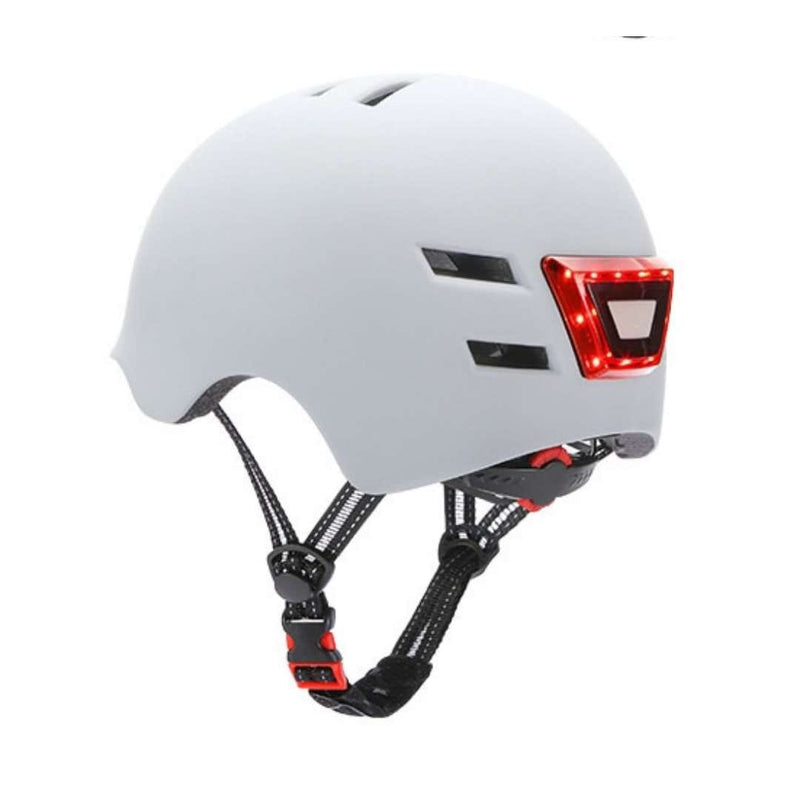
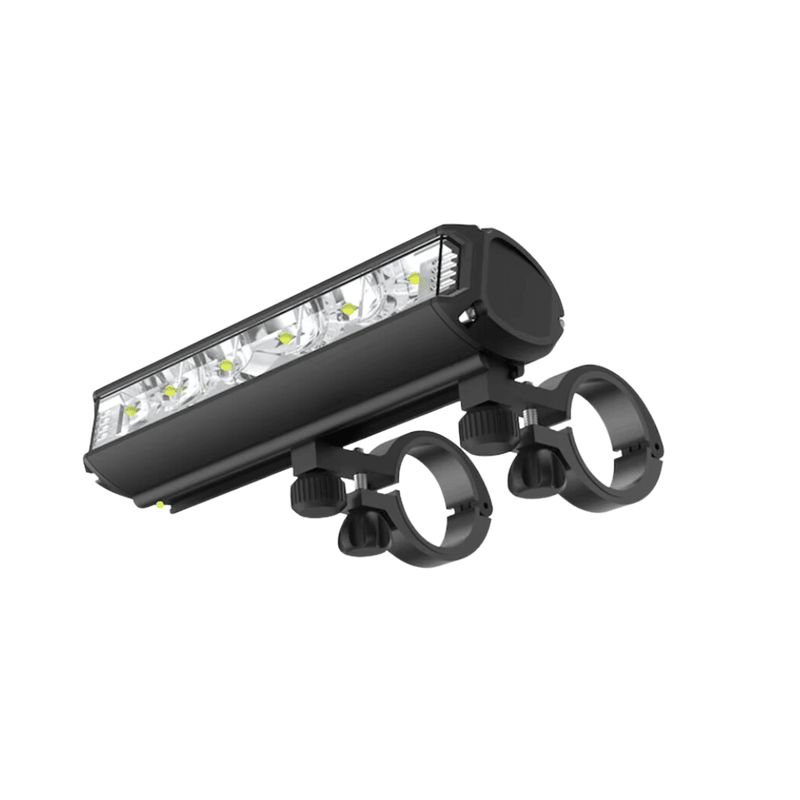
Even where the law does not require one, road safety authorities recommend a helmet: small wheels, a short wheelbase and a standing rider make falls more likely than on a bicycle. Pick one that fits properly from our helmet collection. Lights front and rear and side reflectors are compulsory after dark in practically every country (Bulgaria goes further and bans e-scooters after dark altogether) – if your scooter's light is weak, add electric scooter lights. And since most countries let you park where bicycles park, a solid electric scooter lock is the cheapest insurance against theft.
Faster and more powerful models
A scooter that goes faster or has more power than your country allows is not road-legal there – no matter how it is limited in software. Such models are meant for private or enclosed land, and we say so on every product page. If you want to ride on public roads, choose a model whose top speed and motor power sit inside the limits in the table above.
Disclaimer
This overview is for guidance only and is not legal advice. National laws and local by-laws change, and it is the rider's responsibility to check what applies where the scooter will be used – before purchase and before riding. We update this page when we learn of changes; the source for each country is linked in the table.
Frequently asked questions about electric scooter laws in Europe
Is there one EU law for electric scooters?
No. EU Regulation 168/2013 excludes e-scooters from vehicle type approval, so each of the 27 countries writes its own rules on speed, age, helmets, insurance and registration.
Can I take my electric scooter to another EU country?
You may bring it, but the rules of the country you ride in apply – including insurance, registration and speed limits. A scooter that is legal at home can be limited to private land elsewhere.
Which EU countries require a helmet on an electric scooter?
Bulgaria, Croatia, Cyprus, Denmark, Greece, Ireland, Italy and Lithuania require a helmet for every rider; Belgium requires one on scooters that can exceed 20 km/h, and Spain for all riders from 1 October 2026. Many others require one for minors, for example under 15 in Sweden, under 16 in Austria, Estonia and Poland and under 18 in Czechia and Slovenia.
Do I need insurance for an electric scooter in Europe?
It depends on the country. Bulgaria, France, Germany, Greece, Italy, Latvia, Malta, the Netherlands and Spain require liability insurance for every e-scooter. Czechia, Estonia, Finland, Hungary, Portugal, Romania, Slovakia and Sweden require it only for heavy scooters over 25 kg – and Estonia, Hungary and Romania also for scooters built for over 25 km/h, Sweden for those built for over 20 km/h – while Cyprus, Denmark and Ireland require none for a private scooter. Check the table for your country.
What is the speed limit for electric scooters in Europe?
Most countries limit private e-scooters to 20 or 25 km/h. Germany, Italy, Denmark, Sweden, Poland, Ireland and Malta use 20 km/h; France, Spain, Belgium and most others use 25 km/h.
Ready to choose? All models in our list of popular electric scooters show top speed and motor power directly on the card.