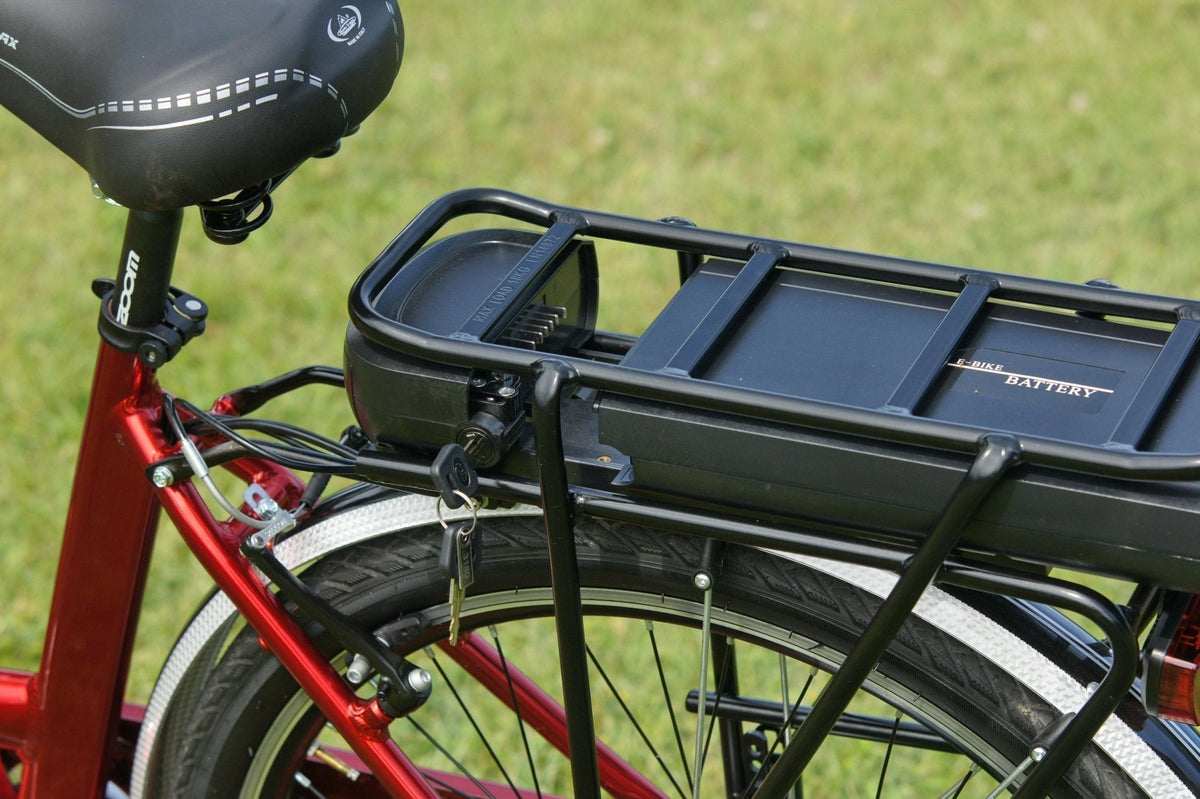

Electric bike laws in Europe are far simpler than the rules for e-scooters: the EU has one definition of an electric bicycle, and it applies in every member state. What still differs from country to country is helmets, minimum ages and what happens once you go faster.
What are the electric bike laws in Europe?
- An e-bike with a motor of max 250 W continuous rated power, assistance only while pedalling and cut-off at 25 km/h is a bicycle in all 27 EU countries.
- No registration, no number plate, no driving licence and no compulsory motor insurance for that bicycle.
- A walk-assist up to 6 km/h without pedalling is covered by the e-bike standard EN 15194 and explicitly allowed in national codes such as Germany's and Italy's; the EU regulation itself does not mention it.
- Faster or stronger bikes are usually mopeds: L1e-A up to 25 km/h and 1 000 W, L1e-B speed pedelecs up to 45 km/h and 4 000 W – typically with type approval, plate, licence, insurance and helmet, though the details vary by country (Portugal, for example, treats pedal-assisted bikes up to 1 kW as bicycles).
- Helmet and age rules differ nationally – compulsory under 15 in Sweden, under 12 in France, under 16 in Spain, and no obligation in Germany or Italy – the table below covers all 27 EU countries.
- Tuning a 25 km/h e-bike makes it an unapproved, uninsured motor vehicle.
One EU definition: Regulation 168/2013
Regulation (EU) No 168/2013 sets out which powered vehicles need type approval. Article 2(2)(h) excludes "pedal cycles with pedal assistance which are equipped with an auxiliary electric motor having a maximum continuous rated power of less than or equal to 250 W", where the motor cuts off when the rider stops pedalling and is progressively reduced and finally cut off before 25 km/h. A bike that meets those three conditions is legally a bicycle everywhere in the EU – the abbreviation you will see in shops and standards is EPAC, and the product standard behind it is EN 15194.
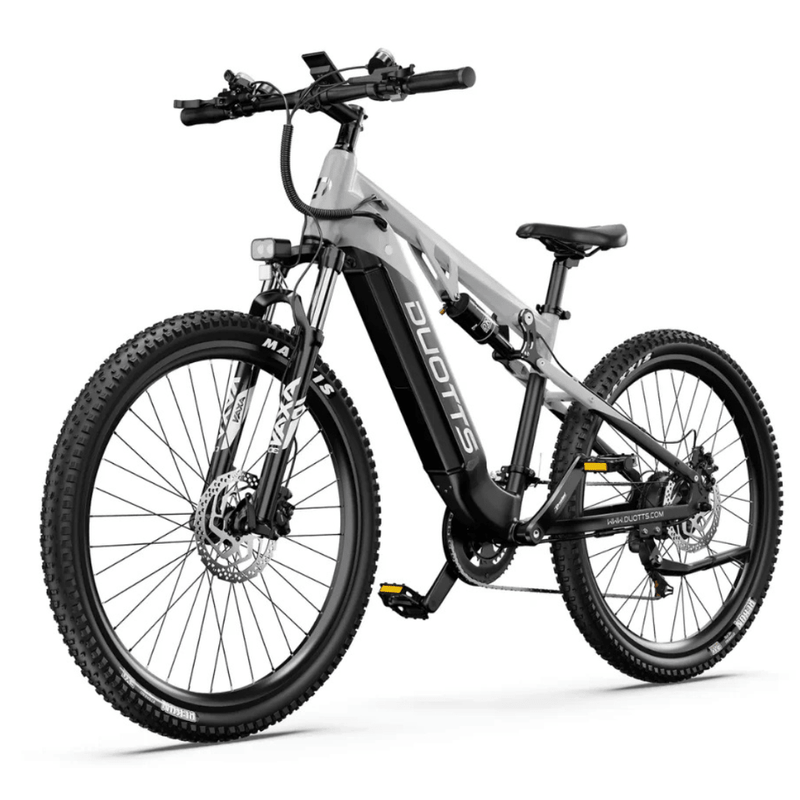
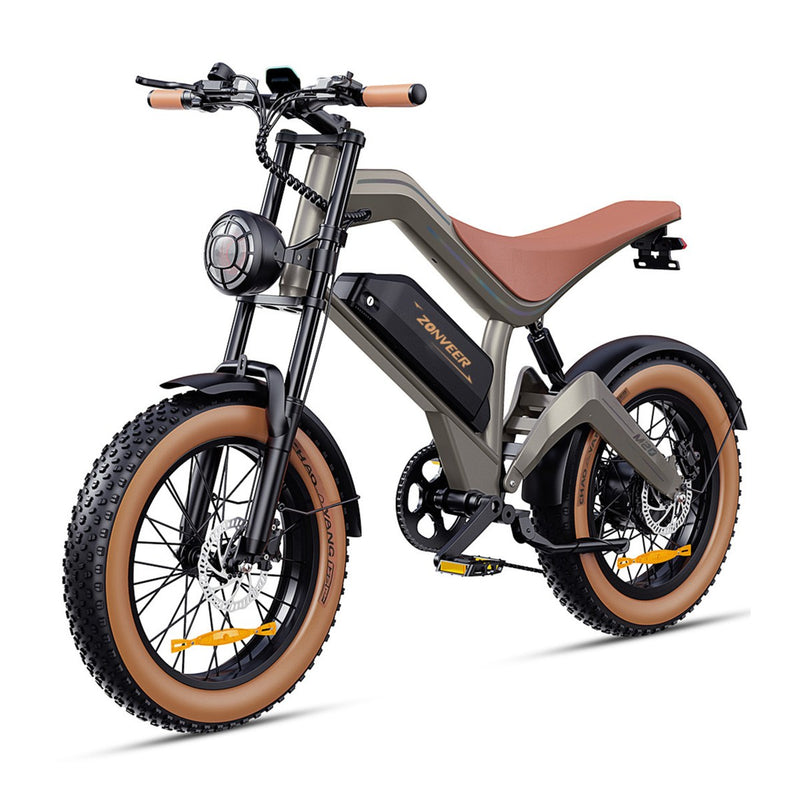
Two details are worth knowing. First, the 250 W is continuous rated power, not peak output: a legal motor may deliver more for a few seconds on a climb. Second, 25 km/h is the limit for the motor, not for you – you may pedal faster under your own power. Every model in our electric bike range shows motor power and assistance limit on the product card.
Above the limits: powered cycles and speed pedelecs
Once a bike breaks one of the three conditions, it falls inside the regulation as an L-category vehicle, and in most countries it is then treated as a moped. A few national traffic codes are looser: Portugal's road code treats pedal-assisted bikes with a motor of up to 1 kW that cut out at 25 km/h as bicycles, and Luxembourg (and Austria until 30 September 2026) let some throttle e-bikes follow cycle rules – see the throttle section below.
| Category | Assistance | Continuous power | Typically required |
|---|---|---|---|
| EPAC (bicycle) | up to 25 km/h, pedalling only | 250 W | Nothing – treated as a bicycle |
| L1e-A powered cycle | up to 25 km/h, pedals retained | up to 1 000 W | Type approval, insurance, often a plate and a helmet |
| L1e-B speed pedelec / moped | up to 45 km/h | up to 4 000 W | Type approval, plate, insurance, moped licence (AM), helmet |
The practical rule: in almost every EU country a speed pedelec is legally a moped. It usually needs a plate and insurance, the rider needs an AM moped licence (or a licence that includes it) and a helmet, and in most countries it may not use ordinary cycle paths. The exceptions matter, though: Belgium and Ireland do not require motor insurance for a speed pedelec whose motor only assists pedalling, Belgium lets speed pedelecs use cycle paths (and requires it where the speed limit is above 50 km/h), Denmark lets type-approved speed pedelecs use cycle paths with a bicycle helmet, and in Cyprus, according to a police statement in April 2026, e-bikes above 0.25 kW may not be ridden on public roads. The name varies too – S-Pedelec in Germany, cyclomoteur in France, ciclomotore in Italy, ciclomotor in Spain, moped klass I in Sweden. The country table below has the rules for all 27 countries.
Throttles: the 6 km/h line
A bike that drives itself without pedalling is not an EPAC. The usual exception is a walk-assist or start-up button limited to 6 km/h: the e-bike standard EN 15194 provides for it and some national codes, such as Germany's and Italy's, allow it explicitly, but the EU definition in Regulation 168/2013 does not mention it. In most countries a real throttle that carries you above 6 km/h without pedalling turns the bike into a moped-class vehicle, whatever the label on the box says. A few national codes keep a lighter category: Luxembourg lets riders from 10 use throttle "cycles électriques" up to 0.5 kW and 25 km/h under cycle rules, and Austria treats throttle bikes up to 250 W and 25 km/h as bicycles until 30 September 2026 – from 1 October 2026 they count as mopeds there. Models with a pure electric mode sit in our throttle electric bike collection, where each product page states how the model is classified.
Helmets and minimum ages differ by country
This is where national law takes over. For an ordinary 25 km/h e-bike, the 27 EU countries fall into three groups – the table below gives the details and the official source for each one:
- No helmet obligation: Belgium, Bulgaria, Denmark, Germany, Greece, Hungary, Ireland, Italy, Luxembourg, Malta, the Netherlands and Portugal.
- Helmet compulsory for children and teenagers: under 12 in France, under 14 in Austria, under 15 in Slovakia and Sweden, under 16 in Croatia, Estonia, Latvia, Poland, Romania (on the road) and Spain, and under 18 in Czechia, Lithuania and Slovenia.
- Helmet for all ages: Cyprus requires one for every rider and passenger, and Finland's road traffic act says all cyclists should generally wear one, although there is no fine. Spain also requires a helmet for everyone on interurban roads.
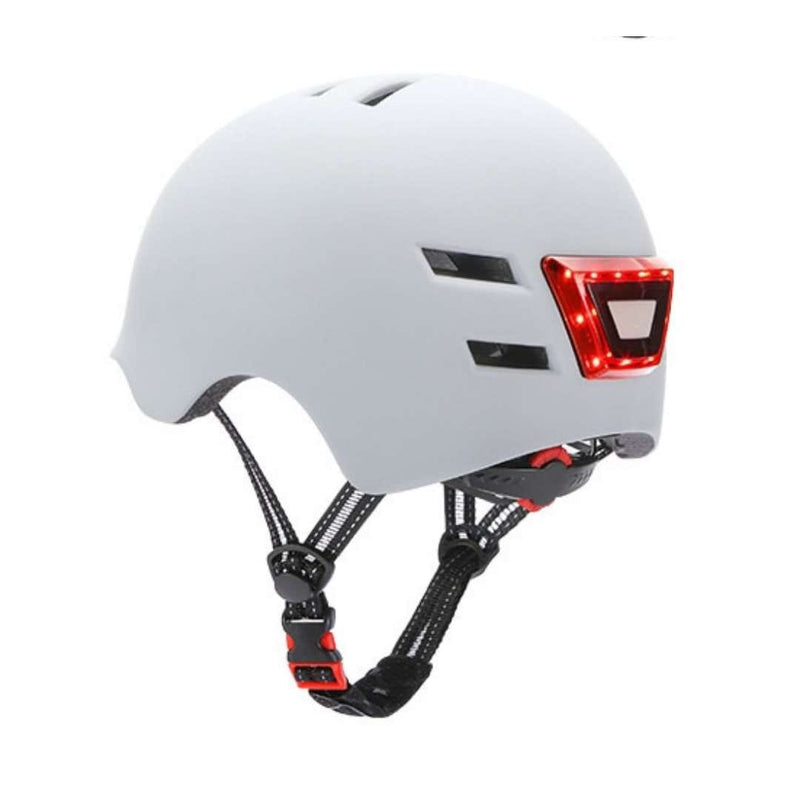
Minimum ages are rarer. Latvia allows e-bikes only from 14 and requires a cycling licence until 18, Romania sets 14 for public roads, and countries such as Austria, Czechia, Poland and Slovakia require supervision for young children. Several of the countries without a helmet law are debating one – the Netherlands, for example, plans an obligation for under-18s from 2027 – so check the linked source before you ride. A helmet is worth wearing either way: an e-bike is heavier and quicker than a conventional bike. See our helmet collection.
Electric bike laws by country
Helmet, age and speed pedelec rules per country, checked against the national authority or the official law text in September 2026. Rules change often – confirm the current rules with the linked source before you buy and before you ride.
| Country | Key rules for e-bikes and speed pedelecs | Source |
|---|---|---|
| Austria | E-bikes up to 250 W and 25 km/h are bicycles; since 1 May 2026 a helmet is mandatory under 14, and children under 12 need supervision or a cycling licence. Speed pedelecs are mopeds (AM licence from 15, plate, insurance, helmet, no cycle paths), and from 1 October 2026 so are e-bikes with a throttle. | BMIMI (Transport Ministry) |
| Belgium | Pedelecs up to 25 km/h and 250 W follow bicycle rules, with no helmet obligation and no age limit. Speed pedelecs are mopeds: 16+, AM or B licence, 'S-P' plate and a moped or reinforced bicycle helmet; if the motor only assists pedalling, no compulsory motor insurance. They may use cycle paths where the speed limit is 50 km/h or less and must use them where it is higher. | mobilit.belgium.be (FPS Mobility) |
| Bulgaria | Pedelecs up to 25 km/h and 250 W are ridden as bicycles: no helmet obligation, but a reflective vest or reflective elements outside built-up areas, at night and in poor visibility. Speed pedelecs are mopeds: AM licence from 16, registration, insurance and helmet. | State Agency Road Safety |
| Croatia | E-bikes up to 0.25 kW and 25 km/h are bicycles; helmet mandatory under 16, riding alone from 14 (from 9 with a school cycling certificate). Faster or stronger e-bikes are mopeds: AM licence from 15, registration, insurance and homologated helmet. | Ministry of the Interior (MUP) |
| Cyprus | E-bikes up to 0.25 kW and 25 km/h count as bicycles, and every rider and passenger must wear an approved helmet, whatever their age. Anything more powerful or faster is not a bicycle: according to a police statement in April 2026, such e-bikes may not be ridden on public roads, and a moped (AM) licence is only available from 17. | CyLaw – Bicycle Law 19(I)/2018 |
| Czechia | E-bikes up to 250 W and 25 km/h are bicycles; helmet mandatory under 18, and children under 10 need supervision by someone over 15 on roads. Speed pedelecs are mopeds: AM licence from 15, plate, insurance and approved helmet. | Czech Police |
| Denmark | E-bikes up to 250 W and 25 km/h are bicycles with no helmet or age requirement, but children under 6 must be accompanied by someone aged 15+. Under a trial scheme, type-approved speed pedelecs may use cycle paths from age 15 with a bicycle helmet, lights on and liability insurance (moped licence needed under 18). | Færdselsstyrelsen |
| Estonia | E-bikes up to 0.25 kW and 25 km/h are bicycles; helmet mandatory under 16, and riders aged 10–15 need a cycling licence to ride alone on the road. Speed pedelecs are mopeds: from 14 with an AM licence, registration, insurance and helmet. | Transpordiamet |
| Finland | E-bikes up to 250 W and 25 km/h are bicycles with no insurance and no age limit; the law says cyclists should generally wear a helmet, but there is no fine. Speed pedelecs are mopeds: AM licence from 15, registration, traffic insurance and helmet (a bicycle helmet is allowed on models up to 35 kg and 1 kW). | Traficom |
| France | E-bikes up to 250 W and 25 km/h are bicycles (VAE): no minimum age, and the helmet is mandatory under 12. Speed pedelecs are cyclomoteurs: registration and insurance, an AM licence from 14 (none needed if born before 1988), an approved helmet and gloves; cycle paths only where locally permitted. Read our French e-bike guide. | Service-Public – AM licence (BSR) |
| Germany | Pedelecs up to 250 W and 25 km/h are bicycles: no helmet, licence or minimum age. S-Pedelecs are Kleinkrafträder: AM licence (from 15; valid only in Germany until 16), insurance plate and helmet, and they must ride on the road. Read our German e-bike guide. | Driving Licence Regulation (FeV) § 10 |
| Greece | Pedelecs up to 250 W and 25 km/h are bicycles; a helmet is only recommended, and children under 12 on roads open to motor traffic must be accompanied by someone aged 16 or over. Speed pedelecs are mopeds: AM licence from 16, registration, insurance and a helmet. | Ministry of Infrastructure and Transport (KOK codification) |
| Hungary | E-bikes that assist only while you pedal and cut out at 25 km/h are bicycles: no helmet or licence, but children under 12 may not ride on main roads. Speed pedelecs are mopeds (segédmotoros kerékpár): AM licence from 14, liability insurance, a motorcycle helmet, and no passengers. | Hungarian Police (police.hu) |
| Ireland | E-bikes up to 250 W and 25 km/h are bicycles: no licence, tax, insurance or minimum age, and a helmet is recommended. Speed pedelecs are e-mopeds: from 16 with an AM licence, registration, motor tax and a motorcycle helmet, and they may not use cycle or bus lanes. | Department of Transport (gov.ie) |
| Italy | Pedelecs up to 250 W and 25 km/h (walk assist up to 6 km/h) are bicycles: no helmet, licence or minimum age. Speed pedelecs are ciclomotori: AM licence from 14, plate, insurance, an approved helmet, and no cycle paths. Read our Italian e-bike guide. | ACI – Codice della strada art. 115 |
| Latvia | E-bikes up to 250 W and 25 km/h follow bicycle rules, but riders must be at least 14 and need a cycling licence until 18; the helmet is mandatory under 16. Speed pedelecs are mopeds: CSDD registration with a plate, AM licence from 14, insurance and a helmet. | CSDD (Road Traffic Safety Directorate) |
| Lithuania | Pedelecs count as motorised bicycles and follow cycling rules: the helmet is mandatory under 18, and road riding is allowed from 14 (12 with a school cycling certificate). Speed pedelecs are mopeds: AM licence (from 15, from 16 after 1 November 2026), registration, insurance and a helmet. | Your Europe – Lithuania (national data) |
| Luxembourg | Pedelecs up to 250 W and 25 km/h are bicycles and may use roads and cycle paths; riders must be 10 (younger children only with a companion aged 15+, or from 6 on cycle paths and to school); a helmet is advised but not required. Speed pedelecs are mopeds: AM licence, minimum age 16, a helmet, registration plate and technical inspection, and roads only. | Police Grand-Ducale |
| Malta | Pedelecs up to 250 W need no registration, helmet or minimum age; assisted cycles above 250 W must be registered and insured, and the rider must be 16+, pass a theory test and wear a helmet. Speed pedelecs are mopeds: registration, plate, insurance, motorcycle helmet and an AM licence from 18. | legislation.mt (S.L. 65.26) |
| Netherlands | E-bikes up to 25 km/h and 250 W follow bicycle rules: no helmet, licence, insurance or minimum age (a helmet obligation under 18 is planned for 2027). Speed pedelecs are mopeds: 16+, AM licence, yellow plate, insurance and an approved moped or speed pedelec helmet; not allowed on ordinary cycle paths. | Rijksoverheid |
| Poland | Pedelecs up to 250 W and 25 km/h are bicycles; helmet mandatory under 16 since 3 June 2026; children aged 10–17 need a bicycle card, and under-10s ride only under adult supervision. Speed pedelecs are mopeds: AM licence from 14, registration, insurance and helmet; not on cycle paths. | gov.pl (Ministry of Infrastructure) |
| Portugal | Pedal-assisted bikes that cut out at 25 km/h count as bicycles (the road code accepts motors up to 1 kW); no helmet obligation or minimum age, and children up to 10 may ride on the pavement. Speed pedelecs are mopeds: registration, insurance, approved helmet and a licence. | Código da Estrada (PGDL) |
| Romania | Pedelecs up to 250 W and 25 km/h count as bicycles; minimum age 14 on public roads and helmet mandatory under 16 on the carriageway. Speed pedelecs are mopeds: 16+, AM licence, registration, insurance and an approved helmet. | Romanian Police |
| Slovakia | Pedelecs up to 250 W and 25 km/h are bicycles; helmet mandatory under 15, and under-10s may ride on roads only under supervision; since 1 September 2026 under-15s may ride on the pavement at walking pace. Speed pedelecs are mopeds: AM licence from 15, registration, insurance and motorcycle helmet. | Slov-Lex (Act 8/2009) |
| Slovenia | Pedelecs up to 250 W and 25 km/h are bicycles; helmet mandatory under 18; children may ride alone from 8 with a cycling test, otherwise accompanied until 14. Speed pedelecs are motor vehicles: AM licence, registration, insurance and a homologated helmet. | AVP (Slovenian Traffic Safety Agency) |
| Spain | Pedelecs up to 250 W and 25 km/h are bicycles with no registration, licence or insurance; helmet mandatory under 16 everywhere and for all riders on interurban roads (no exceptions from 1 October 2026). Speed pedelecs are mopeds: AM licence, registration, insurance and a moped helmet. Read our Spanish e-bike guide. | DGT |
| Sweden | Pedelecs up to 250 W and 25 km/h are bicycles; helmet mandatory under 15, no minimum age or licence. Speed pedelecs are class I mopeds: registration, plate, AM licence (15+), helmet and insurance; not on cycle paths. Read our Swedish e-bike guide. | Transportstyrelsen |
Where you may ride, and what your bike needs
An EPAC follows the bicycle rules of the country you are in: cycle paths and lanes, the road where there is no cycle path, and no pavements for adults. Lights front and rear, reflectors, working brakes and a bell are required practically everywhere after dark – add lights if your bike came without them. Because the bike is legally a bicycle, motor insurance is not required, but many household liability policies cover damage you cause while cycling – worth checking. Against theft, use a solid lock.
Tuning: what it actually costs you
Removing the 25 km/h cut-off is the single most expensive mistake an e-bike rider can make. The bike becomes a motor vehicle without type approval and without insurance, which is a criminal offence in most EU countries; after a crash the insurer can refuse to pay. If you want more speed, the legal route is a registered speed pedelec, not a tuning kit.
Disclaimer
This overview is for guidance only and is not legal advice. The EU definition is stable, but national helmet, age and speed-pedelec rules change. Always confirm the current rules with the national authority where you will ride – before purchase and before riding. The source for each country is linked in the table above.
Frequently asked questions about electric bike laws in Europe
Is an electric bike legal in all EU countries?
Yes, if it is an EPAC: max 250 W continuous rated power, assistance only while pedalling and cut-off at 25 km/h. Then it counts as a bicycle everywhere in the EU.
Do I need a licence or insurance for an electric bike in Europe?
Not for a 250 W, 25 km/h e-bike. A speed pedelec up to 45 km/h is treated as a moped in almost every EU country: it usually needs type approval, a plate, insurance, a helmet and an AM licence. The details vary – Belgium and Ireland, for example, do not require motor insurance for a speed pedelec that only assists pedalling. Our country table has the rules for all 27 countries.
Is a helmet compulsory on an electric bike in Europe?
It depends on the country. Cyprus requires a helmet for every rider, and Finland's law says all cyclists should generally wear one (without a fine). Many countries require one only for children and teenagers – under 12 in France, under 15 in Sweden, under 16 in Spain (and for everyone on interurban roads) – while Germany, Italy and the Netherlands have no obligation. Our country table covers all 27 EU countries.
Can an electric bike have a throttle in the EU?
Only as a walk-assist up to 6 km/h, as provided for in the e-bike standard EN 15194, if it is to remain an EPAC. A throttle that carries you faster without pedalling makes it a moped-class vehicle in most EU countries, with registration, insurance and helmet requirements; Austria applies this from 1 October 2026.
What happens if I remove the 25 km/h limit?
The bike is no longer a bicycle but an unapproved, uninsured motor vehicle. That is an offence in most EU countries and can void your insurance cover after an accident.
Ready to choose? Every model in our electric bike range shows motor power and assistance limit on the card. For e-scooters the rules are national, not European – read our guide to electric scooter laws in Europe.