
Most electric scooters and e-bikes have no CoC, and they don’t need one. The certificate only matters once a vehicle is faster or more powerful than a bicycle – and that is where most of the confusion starts. This guide covers the EU rules and what they mean when you buy.
What is a CoC certificate?
CoC stands for Certificate of Conformity. The manufacturer issues one for every vehicle built to an EU type-approved vehicle type, tied to its frame number, and it is used when a moped is registered (Regulation (EU) No 168/2013). An e-scooter or e-bike that counts as a bicycle has no CoC and doesn’t need one.
Which e-scooters and e-bikes have a CoC?
What matters is what the vehicle is built and approved as, not what the advert calls it. Across the EU it looks like this:
| Vehicle | Counts as | CoC |
|---|---|---|
| E-bike: up to 250 W, the motor only assists while you pedal and cuts out at 25 km/h | Bicycle | No CoC – sold CE marked |
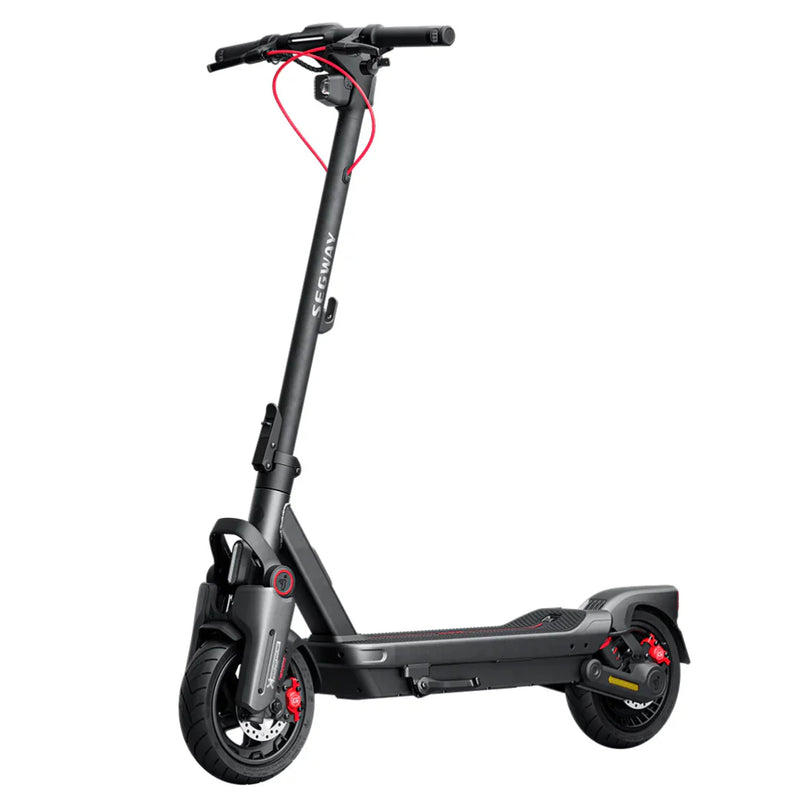
| Stand-up e-scooter without a seat | Outside EU type approval – national rules apply | No CoC |
| Powered cycle with pedals: up to 1 000 W, assistance up to 25 km/h | Moped (L1e-A) | CoC if the model is type-approved |
| Speed pedelec or e-moped: up to 45 km/h | Moped (L1e-B) | CoC if the model is type-approved |
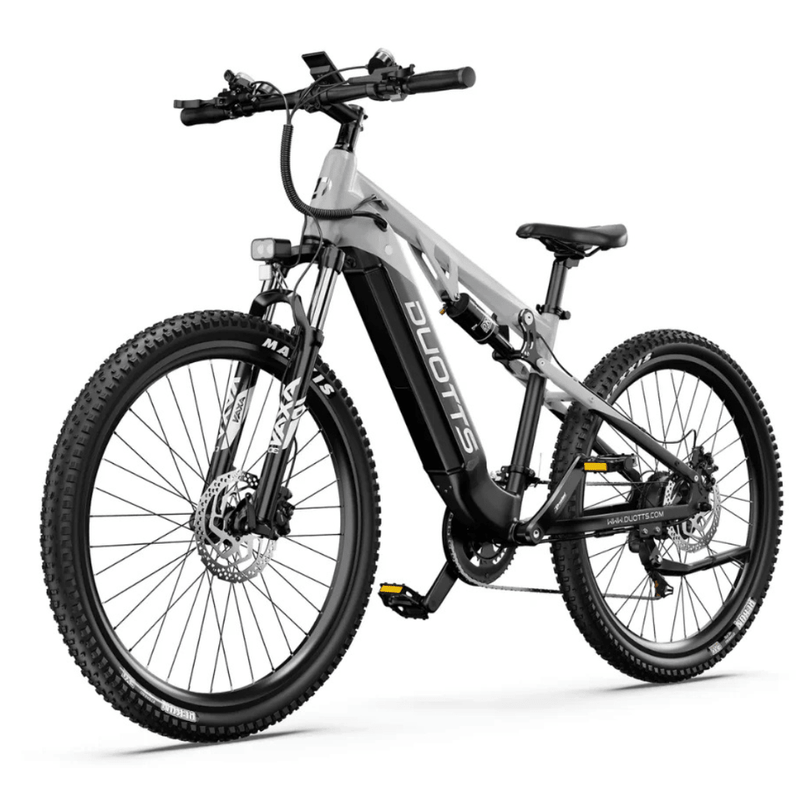
| E-cross built for off-road use | Not approved for the road | No CoC unless a road version is type-approved |
Not sure what you have? A type-approved vehicle carries the manufacturer’s statutory plate and comes with a CoC that matches it. If neither exists, it isn’t EU type-approved. Speed limits, age, helmet and insurance rules country by country are in our guides to electric scooter laws in Europe and electric bike laws in Europe.
Can you register an e-scooter as a moped?
Not as an EU type-approved moped. The EU type-approval regulation doesn’t apply to vehicles without a seat, so a stand-up e-scooter can’t be EU type-approved – and there is no CoC for the manufacturer to issue. Fitting a seat or a speed limiter afterwards doesn’t change that, because the approval covers the vehicle type the manufacturer built.
What remains are national rules, and they differ. In the Netherlands, only e-scooters approved by the vehicle authority RDW may be ridden on public roads, with a number plate – a plate can’t be issued for one that isn’t approved (Rijksoverheid). In Sweden, the Swedish Transport Agency says registering an e-scooter as a moped afterwards is in practice very difficult, because it takes the original CoC or the manufacturer’s own documentation.
If you want to ride on public roads, it’s simpler to choose a model that meets your country’s e-scooter rules from the start – then the CoC question never comes up. Whether it needs insurance is covered in our guide to electric scooter insurance.
Speed pedelecs and e-mopeds: here you need a CoC
An ordinary e-bike is a bicycle throughout the EU if its motor only assists while you pedal, has a continuous rated power of up to 250 W and stops assisting at 25 km/h. It has no CoC. Once a bike breaks one of those conditions – with a throttle that drives it without pedalling, for example – it becomes an L-category vehicle, in most countries a moped, and its approval decides whether it may be ridden on the road:
- L1e-A powered cycle (pedals, up to 1 000 W, assistance up to 25 km/h): type-approved with a CoC, or approved individually under national rules.
- L1e-B speed pedelec or e-moped (up to 45 km/h): a type-approved model comes with a CoC, which you need to register it – or, where mopeds aren’t registered, as proof of its approval.
The same applies to e-cross bikes and electric motorbikes. A model built only for off-road use usually has no type approval and therefore no CoC, so it can’t be registered for the road. A road version that the manufacturer has type-approved – as a moped or motorbike – comes with a CoC.
CoC, CE marking and national approvals
- CE marking. With the CE mark, the manufacturer indicates that the product meets EU product rules, so it can be sold anywhere in the EU (Your Europe). E-bikes and e-scooters are sold CE marked. CE marking is not a road approval, and it won’t get a moped registered.
- CoC. Shows that your particular vehicle matches an EU type-approved type. It is the basis for registering a moped and proof that it is type-approved.
National e-scooter approvals, such as Germany’s ABE or Spain’s DGT certificate, apply under that country’s rules and are not a CoC.
How to spot a genuine CoC
- The manufacturer issued it. It is signed by someone authorised by the manufacturer, and it must come with the vehicle at no extra cost.
- The frame number matches. A CoC applies to one vehicle only. Compare the number on the certificate with the number on the frame.
- It’s a paper original. The certificate must be fully completed and printed on forgery-protected paper. When you register the vehicle, expect to show the original.
- The vehicle has a plate. The manufacturer must fix a statutory plate to every vehicle built to the approved type.
- A replacement says “duplicate”. If the certificate is lost, the manufacturer must issue a duplicate at the owner’s request for ten years after production, for a fee no higher than the cost.
Be wary of a “CoC” for a stand-up e-scooter, or a certificate without a frame number: EU type approval doesn’t cover such scooters, and a real CoC always belongs to one specific vehicle.
CoC country by country
An EU type approval is recognised in every EU country, so a type-approved moped has the same CoC throughout the EU. E-scooter rules are national, though. If you move, or buy the vehicle in another country, that country’s rules apply:
| Country | E-scooter | Moped and speed pedelec |
|---|---|---|
| Sweden | A bicycle up to 20 km/h and 250 W – faster or more powerful models may not be ridden in traffic | Class I moped (45 km/h): registered, normally with the original CoC |
| Germany | National approval (ABE) or individual approval, plus an insurance sticker | Insurance plate – carry the CoC (or equivalent approval) when you ride |
| France | Up to 25 km/h, liability insurance compulsory | Registration (carte grise) with the COC |
| Spain | DGT-certified model, entry in the DGT register, identification label and insurance | Roadworthiness test (ITV) with the CoC, then registration |
| Italy | Identification sticker (contrassegno) and liability insurance | Registration with the CoC at the Motorizzazione |
CoC when you buy from Wheelyshop
- Not every model has a CoC. A CoC only exists if the manufacturer has type-approved the model. For a model that isn’t type-approved, nobody can produce one afterwards – neither we nor anyone else.
- Ask before you buy. If you plan to register the vehicle, contact customer service and ask whether that model has a CoC.
- A type-approved vehicle should be delivered with its CoC. If it’s missing, get in touch with customer service.
- Registration is decided by the authority in your country. We can’t guarantee that it will be approved, and a rejection is not grounds for a complaint. Your 14-day right of withdrawal applies whether or not the registration goes through. Don’t ride the vehicle until you’ve decided: for a ridden electric vehicle you are liable for the loss of value, which normally equals its full value.
The full terms are under “Registration documents and liability” and “Used electric vehicles cannot be returned” in our refund policy.