
Do you need insurance for your new electric scooter – and does your home insurance cover it? Across Europe, the answer depends on three figures in the specifications – design speed, motor power and weight – and on the country you ride in. This guide compares the EU minimum with the rules in Sweden, Germany, France, Spain and Italy.
Electric scooter insurance: is it compulsory?
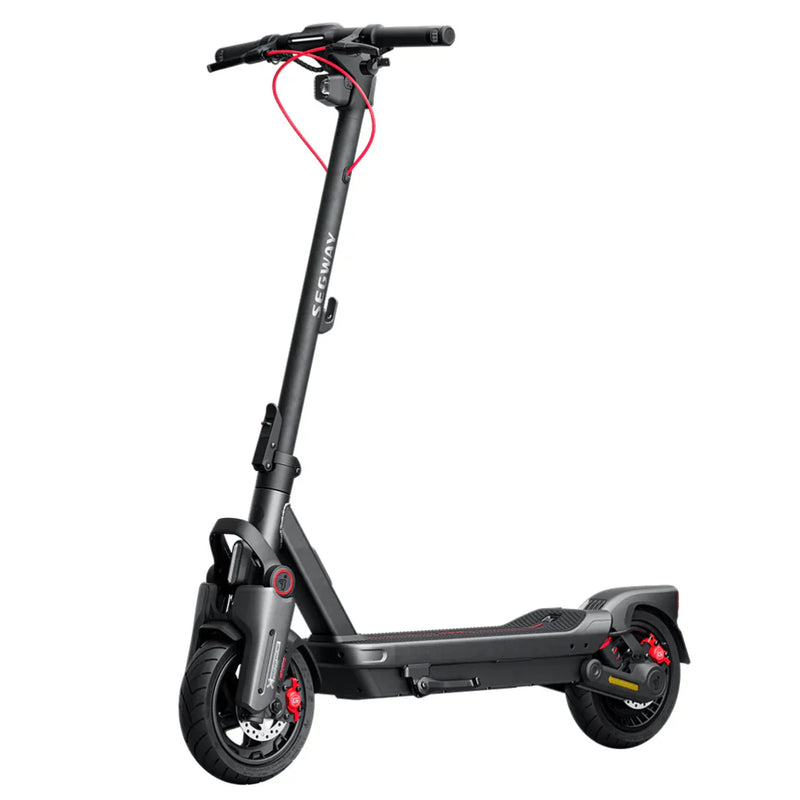
- The EU minimum: an electric scooter or other vehicle without pedals that is designed for more than 25 km/h, or for more than 14 km/h and weighs over 25 kg, must have motor liability insurance wherever it may be ridden on public roads.
- Many countries require more: Germany, France, Spain and Italy make liability insurance compulsory for every electric scooter. Sweden requires it above 20 km/h, or above 14 km/h for scooters heavier than 25 kg.
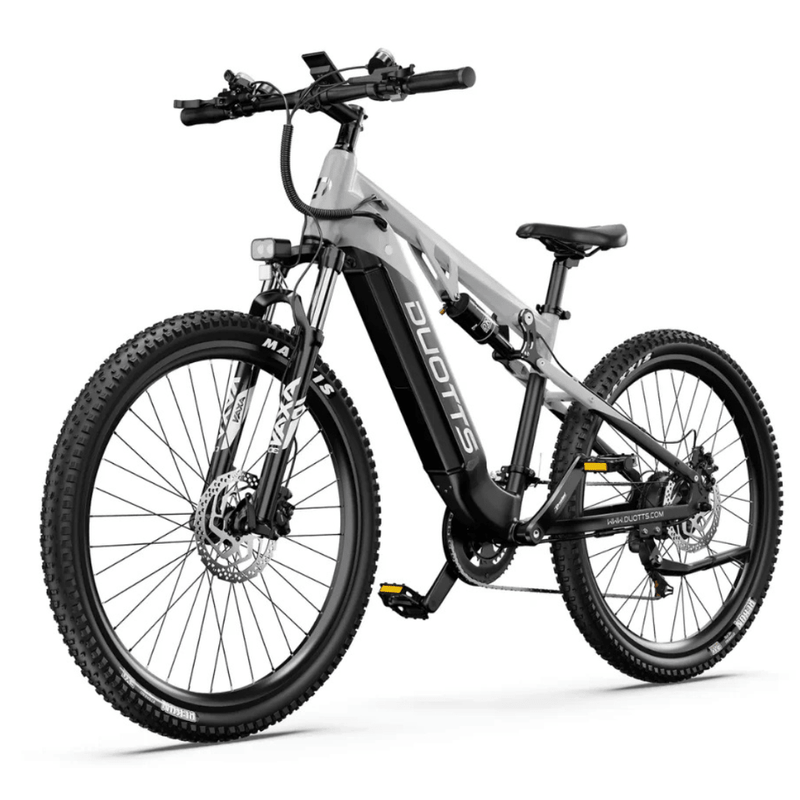
- E-bikes that count as bicycles (up to 250 W, motor assistance only while you pedal, cutting out at 25 km/h) need no compulsory insurance in any of these five countries.
- Speed pedelecs (assistance up to 45 km/h) are mopeds and must be insured in Sweden, Germany, France and Spain – under national law, not the EU directive. In Italy it is unclear whether the insurance obligation covers them.
- Liability insurance does not cover theft of your own scooter or damage to it. That takes optional cover – and don't assume your home insurance covers an electric scooter.
Electric scooter insurance in the EU: what applies to you
Since 23 December 2023, EU countries apply the amended motor insurance directive, Directive (EU) 2021/2118. It covers vehicles propelled exclusively by motor power – such as an electric scooter or electric unicycle – that are designed for more than 25 km/h, or weigh more than 25 kg and are designed for more than 14 km/h. E-bikes have pedals and therefore fall outside it. Countries may exempt vehicles that are not allowed on public roads, and they may require insurance for vehicles the directive does not cover – many do.
| Vehicle | Covered by the EU directive? | Compulsory insurance |
|---|---|---|
| Electric scooter designed for more than 25 km/h | Yes | Yes, wherever it may be ridden on public roads |
| Electric scooter over 25 kg, designed for more than 14 km/h – even with a 20 km/h limiter | Yes | Yes, wherever it may be ridden on public roads |
| Electric scooter up to 25 kg, designed for up to 25 km/h | No | National law: compulsory in Germany, France, Spain and Italy, in Sweden above 20 km/h |
| E-bike (pedelec): up to 250 W, assists only while you pedal, cuts out at 25 km/h | No | No – it counts as a bicycle |
| E-bike with a throttle that drives it beyond walking pace without pedalling | No | Usually yes – it is then a moped under national law |
| E-bike with more than 250 W that only assists while you pedal, up to 25 km/h | No | Not a bicycle – insurance depends on the country: required in Sweden, Germany and France, not under the rules in Spain and Italy |
| Speed pedelec, assistance up to 45 km/h | No | Yes in Sweden, Germany, France and Spain – under national law; unclear in Italy |
The same thresholds apply to electric unicycles and other self-balancing vehicles. In Sweden, a self-balancing unicycle only counts as a bicycle if it is designed for no more than 20 km/h; most go faster and may then only be ridden on enclosed land. In Germany, electric unicycles have no handlebar and are therefore not covered by the e-scooter regulation, so they cannot get an insurance sticker. In France, they need liability insurance just like e-scooters.
How to find the right row
Check the top speed, continuous motor power and weight on the product page and in the manual. Many of the more powerful models among our electric scooters weigh more than 25 kg. They then fall under the EU definition even with a 20 km/h speed limiter – in Sweden they need motor insurance although they count as bicycles in traffic – so check the weight. For e-bikes, also check that the motor only assists while you pedal. If you remove the limiter or tune the motor, neither the rules nor the insurance for its class apply any more. What counts is the speed the vehicle is designed for, so the limiter should be set at the factory and not be possible to unlock. The Swedish Prosecution Authority's guidance, for example, assumes that an e-scooter which goes significantly faster than 20 km/h is not designed for 20 km/h – a limiter you can unlock in an app can therefore mean that the scooter is judged as designed for a higher speed.
Electric scooter and e-bike insurance by country
If you take your electric scooter or e-bike abroad, the rules of the country you ride in apply. The short version for five countries:
| Country | Electric scooter | E-bike (250 W, 25 km/h) | Speed pedelec (45 km/h) |
|---|---|---|---|
| Sweden | Motor insurance if designed for more than 20 km/h, or more than 14 km/h and over 25 kg – even with a 20 km/h limiter. Models for more than 20 km/h or 250 W may not be ridden on public roads at all. | No compulsory insurance | Moped class I: insurance and registration |
| Germany | Only models with German type approval (ABE) or an individual approval (Einzelbetriebserlaubnis), max 20 km/h. Liability insurance with an insurance sticker (Versicherungsplakette), renewed every 1 March. Private liability insurance does not replace it. | No compulsory insurance | Insurance plate and AM licence |
| France | Liability insurance (responsabilité civile) for every e-scooter. Standard home insurance does not cover it – you need an extension or a specific policy. | Not compulsory, but liability cover is strongly recommended | Moped (cyclomoteur): registration and insurance |
| Spain | Compulsory liability insurance. Every e-scooter must be registered with the traffic authority DGT first – registration is required for the insurance. Over 25 kg and 14 km/h it is legally a motor vehicle. | No compulsory insurance | Moped: compulsory insurance |
| Italy | Compulsory liability insurance since 16 July 2026 and an identification sticker (contrassegno) since 16 May 2026. The policy must carry the sticker's code, so a family liability policy is not enough. | No compulsory insurance – it counts as a bicycle | Moped (ciclomotore): plate, AM licence and helmet. Whether insurance is compulsory is unclear – ask an insurer |
The insurance obligation for speed pedelecs comes from each country's own law, because the EU directive only covers vehicles driven by motor power alone. Spain's insurance law says so explicitly: it keeps compulsory insurance for pedal-assisted mopeds although the directive does not require it. Italy has no such rule: a 2024 circular from the Italian Interior Ministry excludes pedal-assisted cycles, including those over 250 W, from compulsory insurance and does not mention speed pedelecs – so check with an insurer before you ride one there.
For speed limits, minimum ages, helmets and where you may ride in all 27 EU countries, see our guides to electric scooter laws in Europe and electric bike laws in Europe. Elsewhere in the EU, the directive's thresholds are the minimum, so check with the national transport authority before you ride.
What does the insurance cover?
Compulsory liability insurance
The compulsory insurance for an electric scooter, electric unicycle or speed pedelec pays for injuries and damage you cause to others. It does not pay for theft of your own vehicle or damage to it. The owner takes it out before the first ride and must be able to prove it: in Sweden with the insurance certificate, in Germany with the sticker on the scooter, in Italy through the policy linked to the identification sticker.
Theft and damage to your own vehicle
For an electric scooter or speed pedelec with motor insurance, theft and damage to the vehicle itself are only covered if you add partial or comprehensive cover – in Germany called Teilkasko. Not every insurer offers it for e-scooters, so ask before you buy.
Home insurance: don't take it for granted
Where e-scooters need their own liability insurance, a standard home or family policy is usually not enough. In Germany, private liability insurance does not cover e-scooters. In France, standard home insurance does not cover e-scooter liability – you need an extension or a specific policy for personal motorised vehicles (EDPM). In Italy, many family liability policies expressly exclude vehicles that must have motor insurance. In Sweden, an e-scooter that counts as a bicycle and weighs no more than 25 kg is usually covered by home insurance like a bicycle – one that needs motor insurance is not.
E-bikes: home insurance and personal liability
An e-bike that counts as a bicycle is insured like a bicycle, usually through your home insurance or a separate bike insurance – but check the terms. In Germany, household contents insurance typically only covers theft from a locked cellar or garage; theft from the street needs an add-on. In Sweden, the maximum amount for bicycles varies between policies. For damage you cause to others, personal liability insurance usually applies. It is not compulsory for bicycles, but the French authorities, for example, strongly recommend it.
Your own injuries
Liability insurance is for the people you injure. In Germany and France, for example, it covers damage you cause to others, while your own injuries after a fall are a matter for accident insurance. If a car hits you, the car's motor insurance can pay. Check whether you already have accident cover through your job or a group policy.
How to insure your electric scooter or e-bike
- Check the classification – design speed, continuous power and weight – before you buy, so you know which insurance you will need.
- Check that the model is allowed where you ride. In Germany, e-scooters need a type approval (ABE) or an individual approval. In Spain, only DGT-certified e-scooters may be sold since 22 January 2024; older ones without a certificate may be ridden until 22 January 2027 but must also be registered and insured.
- Register first where required. In Spain, DGT registration comes before the insurance, and in Italy the policy must carry the code of the identification sticker. In Germany, the insurer issues the insurance sticker.
- Take out the liability insurance before the first ride and carry proof of it. Add partial or comprehensive cover if you want protection against theft and damage.
- Keep the receipt and note the frame or serial number. You will need both if the vehicle is stolen.
Wheelyshop does not sell insurance. Ask your insurer what applies to your model and your policy.
Theft: what insurers usually ask for
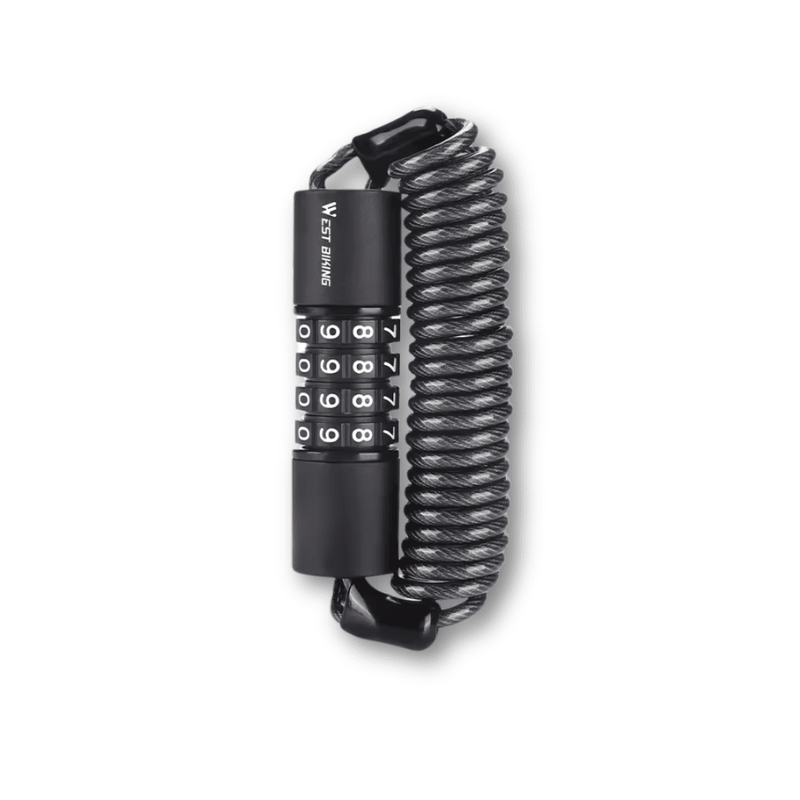
- An approved lock. Many insurers require the vehicle to be locked with a lock they approve – in Sweden, for example, most insurers require a lock approved to the Swedish Theft Prevention Association's standard. If the product description doesn't say that a lock is approved, don't assume it meets the requirement – ask your insurer which locks they accept.
- Lock it to a fixed object, ideally with an extra lock, and keep the scooter or e-bike locked away indoors at night.
- Take the battery with you when you park your e-bike, if it can be removed.
- Mark, alarm and track. Theft marking makes the vehicle harder to sell on. An alarm can scare off a thief, and a hidden AirTag mount makes it easier to find the vehicle again. Extra protection such as disc brake locks and chain locks can be found among our locks for electric scooters.
- If it is stolen: report it to the police first, then contact your insurer with the police report number, the receipt and the frame or serial number.
More tips in our guide on how to protect your electric scooter or e-bike against theft.
A warranty is not insurance
All our products come with a 2-year warranty. It covers manufacturing and material defects – not theft or accidents. You will find the terms on our warranty page. Questions about your model? Contact our customer service.
Frequently asked questions about electric scooter insurance
Do you need insurance for an electric scooter?
In Germany, France, Spain and Italy, yes – every electric scooter ridden on public roads needs liability insurance. In Sweden it is required if the scooter is designed for more than 20 km/h, or for more than 14 km/h and weighs over 25 kg. Across the EU, a scooter designed for more than 25 km/h, or heavier than 25 kg and faster than 14 km/h, must be insured wherever it may be ridden on public roads.
Does home insurance cover an electric scooter?
Usually not where the scooter needs its own liability insurance, as in Germany, France or Italy – check whether you need an extension or a separate policy. In Sweden, a scooter that counts as a bicycle and weighs no more than 25 kg is usually covered like a bicycle, but not one that needs motor insurance.
What if my electric scooter weighs more than 25 kg?
If it is designed for more than 14 km/h, it falls under the EU definition of a vehicle that needs motor liability insurance – even with a 20 km/h limiter. In Sweden it then needs motor insurance although it counts as a bicycle in traffic, and in Spain it is legally a motor vehicle.
Does an e-bike need insurance?
Not if it counts as a bicycle: up to 250 W, motor assistance only while you pedal, cutting out at 25 km/h. It is then outside the EU directive and needs no compulsory insurance in any of the five countries. A 45 km/h speed pedelec is a moped that must be insured in Sweden, Germany, France and Spain; in Italy the rule is unclear. An e-bike with a throttle beyond walking pace usually counts as a moped too. One with more than 250 W that only assists while you pedal is not a bicycle either, but whether it must be insured depends on the country – yes in Sweden, Germany and France, not under the rules in Spain and Italy.
What happens if I ride without insurance?
You risk fines or criminal charges, and after an accident you may have to pay the damages yourself. In Germany, riding an e-scooter without the insurance sticker is a criminal offence. In France, a guarantee fund compensates the victim and then claims the money back from you, plus 10 per cent. In Spain, too, a public compensation body pays victims of uninsured vehicles and can reclaim the money.