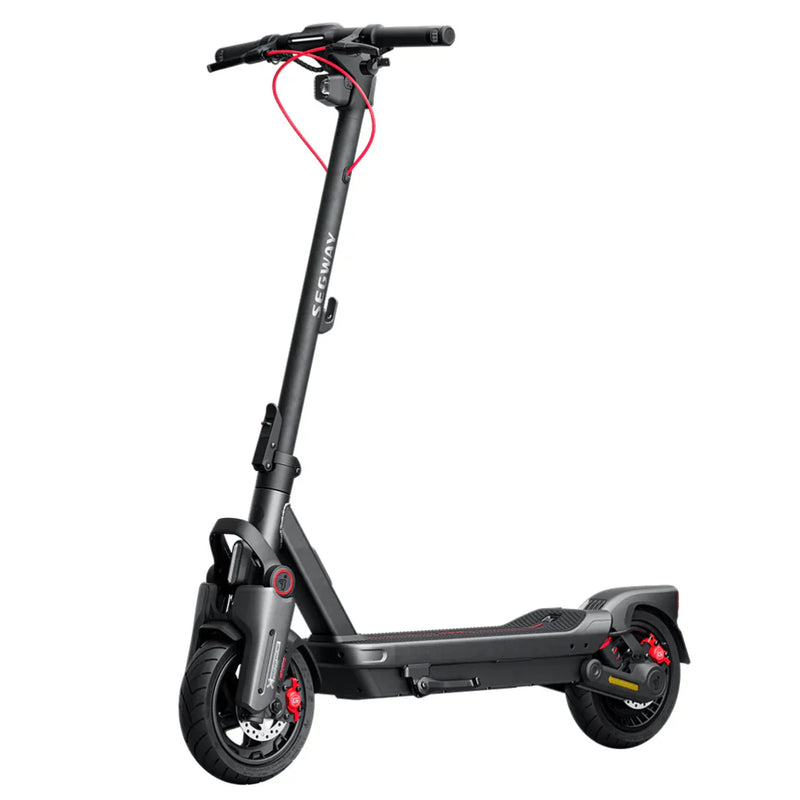

Is an electric scooter a smart buy or an expensive toy that ends up gathering dust in the shed? The answer depends less on which model you choose and more on what your everyday life looks like: how far you travel, what the roads are like and where your stand-up e-scooter will live. These are the e-scooter pros and cons you notice after a few weeks of riding, not just the ones in the advert.
Is an electric scooter worth it?
For short trips on tarmac: usually yes. You get from door to door without hunting for parking, the electricity costs next to nothing and it fits in the hallway. It gets less convincing the longer the trip, the worse the road and the more often it rains – and it needs a place where you can park and charge it. If you recognise yourself in several of the cons below, an e-bike or public transport will probably suit you better.
Electric scooter pros in everyday life
Quick door to door on short trips
You walk out of the door and ride. No waiting for the bus, no hunting for parking and no pedalling up hills. As a rule of thumb, an e-scooter works best for trips of up to about 5 km each way. Beyond that, standing gets tiring and an e-bike is often more comfortable – we go through the differences in our guide to electric scooter vs e-bike.
Takes up little space
Almost all e-scooters fold, so they fit in the hallway, under your desk or in the boot of a car. Folded, it can sometimes come along on the bus or train, but rules differ between operators – what to check is covered in our guide to taking an e-scooter on trains and buses.
Cheap to run
Electricity costs about €0.48 per 100 km at the EU average household price of €0.29 per kWh, so you will barely notice the charging. The worked examples are in our guide to how much it costs to charge an electric scooter. The bigger saving is what you no longer pay for: fuel, parking and sometimes a ticket. The difference is clearest when the e-scooter replaces car journeys – we have done the maths in our guide to commuting by electric scooter instead of by car.
Fun to ride
It sounds trivial, but it is often the reason it actually gets used. If you enjoy the ride to work or to the gym, the e-scooter becomes a habit instead of yet another gadget in the storage room.
Cons on the road: range, surfaces and weather
The advertised range is a lab figure
The figure in the advert is measured with a light rider, a steady speed and summer weather, so plan for 50–70 per cent of it instead. In the cold the range shrinks further – how to get more out of the battery is covered in our guides to getting more range from your e-scooter and riding an e-scooter in winter.
Small wheels make the surface matter
Anyone coming from a bicycle notices the difference the first time the front wheel hits a kerb or a pothole. With small wheels, gravel, cracks and potholes matter far more than on a bike, and an uneven surface can unsettle you even at low speed.
Look well ahead, slow down on poor surfaces and ride with a helmet – how to find one that fits is explained in our guide to choosing the right helmet. Bigger wheels and pneumatic tyres make a big difference to comfort, and what you gain and lose with different tyres is covered in our guide to solid vs pneumatic tyres.
Rain and wet roads
Most e-scooters can handle splashes, but that does not mean they are built for downpours. Grip is also worse on wet tarmac, painted lines and leaves, so slow down and brake earlier. Check what the manual says about your model before you ride in the rain – how to read the IP rating is explained in our guide to riding an e-scooter in the rain.
You stand the whole way
Ten minutes standing up is no problem, but after half an hour you feel it in your legs. Both hands belong on the handlebar, so whatever you bring has to go on your back or stay at home – a bag dangling from the handlebar makes it harder to steer. If you do big shopping trips or carry children, an e-bike is a better tool.
Cons at home: weight, theft and charging
Heavier than you think
In our range, a light e-scooter for adults usually weighs 18–23 kg, and more powerful models with bigger batteries often weigh 30 kg or more (September 2026). It is easy to wheel but heavy to carry up the stairs every day or lift into the boot. If you live on an upper floor without a lift, expect to carry it – or make sure it has a dry spot in the bike room or storage room.
Easy to steal
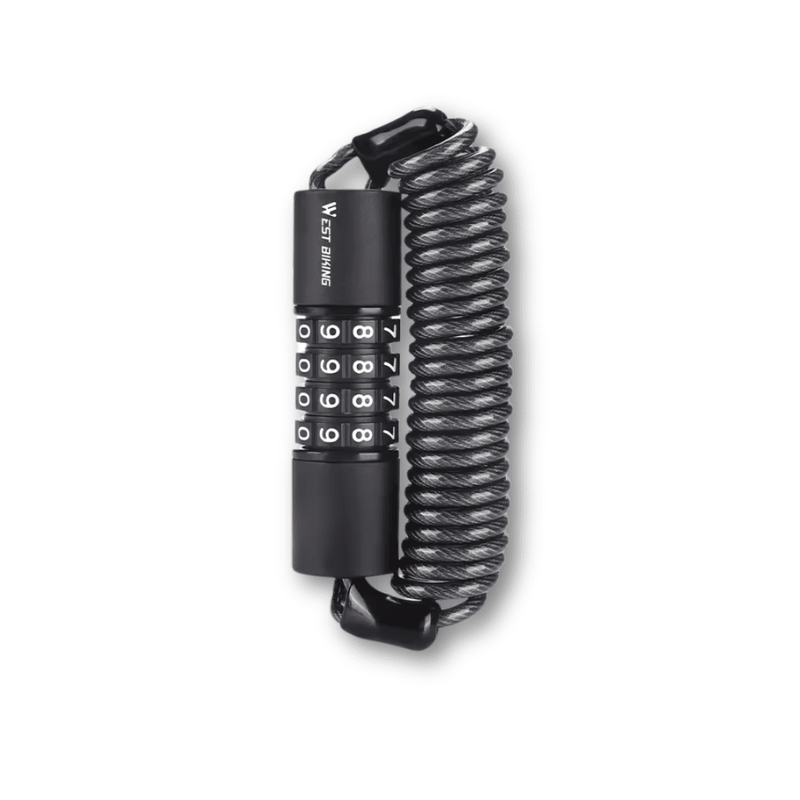
An e-scooter can be lifted away in seconds and is easy to sell on. For a sense of the scale: according to the European Cyclists’ Federation, around 1.3 million bicycles are reported stolen to the police in the EU every year, and the real number is probably higher. Bring your e-scooter inside when you can, and when it has to stay outside, use a solid e-scooter lock, locked to something fixed, in a place where people can see it. The rest is in our guide to protecting your e-scooter from theft.
The battery needs a place and a little care
You need somewhere to charge, preferably indoors and where you can keep an eye on it – the battery likes neither sub-zero temperatures nor a hot car. It also wears with the years, and the way you charge affects how long it lasts. The everyday habits are in our guide to charging your e-scooter battery the right way.
Electric scooter pros and cons at a glance
| Area | Pro | Con |
|---|---|---|
| Short trips | Door to door, no parking | Tiring after a few kilometres |
| Range | Enough for most short commutes | Often 50–70% of the stated range, less in the cold |
| Surface | Smooth on even tarmac | Small wheels are sensitive to gravel and potholes |
| Weather | Most can handle splashes | Less grip on wet tarmac and leaves |
| Cost | Electricity for about €0.48 per 100 km | Purchase, wear parts, lock and helmet |
| Space | Folds up and fits in the hallway | Needs a place to charge |
| Weight | Easy to wheel | Light models in our range: often 18–23 kg |
| Theft | Can be taken inside | Easy to carry off if left outside |
What does an electric scooter cost to own?
The purchase is the big item. In our range, a light e-scooter for adults usually costs €530–800 (September 2026), and if you want to keep the price down, have a look at our affordable electric scooters. After that, the amounts are smaller: about €14 of electricity if you ride 3,000 km in a year, tyres and brake pads when they wear out, and a helmet and lock that you buy once. Whether your e-scooter needs insurance and where you may ride it are covered in our guides to electric scooter laws in Europe and electric scooter insurance.
When something breaks, it is often a single part – an inner tube, a brake pad or a charger – that can be replaced instead of the whole vehicle. You will find the parts in our spare parts finder, and when a repair is worth it is covered in our guide to repairing your e-scooter.
E-scooters and the environment – the facts
An e-scooter produces no exhaust emissions while riding, and it runs on electricity from a rechargeable battery. Its overall environmental impact also depends on manufacturing, the battery, the electricity you charge it with and how long the vehicle is used.
It also matters what the e-scooter replaces. A trip you would otherwise have walked, cycled or taken by bus is not the same as one that replaces a car journey – so for your own e-scooter, it comes down to which trips it takes over.
If you want your e-scooter to last, three habits make the biggest difference: charge it properly and bring it inside when it is cold, replace wear parts in time, and repair what breaks instead of buying new. Take a worn-out battery to your local recycling centre – how that works is explained in our guide to charging your e-scooter battery.
Does an e-scooter suit you? Five common cases
- 3 km to work, mostly on cycle lanes: this is where the e-scooter is at its best. Choose pneumatic tyres and good lights and you will manage most days. Have a look at our commuter electric scooters.
- All year round, winter included: it is possible, but the range shrinks in the cold and small wheels do not like ice or gritted cycle lanes. Expect it to stay at home for a few weeks when the roads are at their most slippery.
- More than about 5 km each way, or lots of hills: it is possible, but you stand for a long time and small wheels do not like gravel. An e-bike is often more comfortable.
- Fourth floor without a lift: think about the weight. Carrying just over 20 kg up the stairs every day soon gets heavy, so a dry spot in the bike room or storage room solves a lot.
- Children, shopping bags or lots of luggage: then the e-scooter is the wrong tool. Look at an e-bike or a cargo bike instead.
Common mistakes before your first purchase
- Buying on the advertised range. Count on 50–70 per cent and add a margin for the ride home.
- Not thinking about where it will live. Decide where it will be stored and charged before you order.
- Choosing the heaviest model just to be safe. More battery and motor means more kilos to carry. Choose for your usual trip.
- Skimping on the lock. A thin cable lock is not enough if the e-scooter stays outside.
- Assuming it can handle any weather. Read what the manual says about rain and cold before you plan to ride all year round.
How much motor you need for your hills and your weight – and what else is worth comparing before you decide – is covered in our guide to how many watts an electric scooter needs. If you have questions about a particular model, you are welcome to contact our customer service.