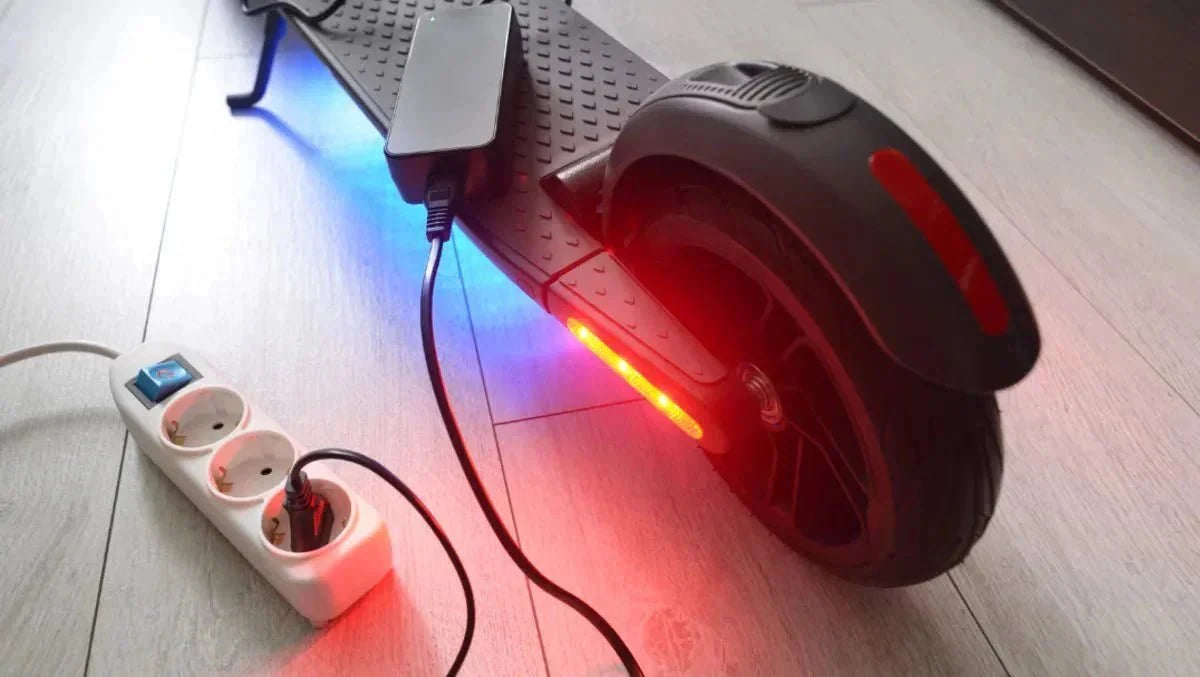

Your scooter won’t turn on, the charger light turns green even though the battery is flat, or the brakes don’t bite like they used to – and the question is whether it’s worth fixing or time for a new one. Often the fault is smaller than it looks.
Can you repair an electric scooter yourself?
Yes – most of what wears out can be fixed at home: tyres and inner tubes, brake pads and brake cables, grips, lights, the mudguard and the throttle. You need the right spare part for your model, ordinary tools and a bit of patience. The battery, the controller’s circuit board and the inside of the motor are a different story – that’s a job for a workshop or a new part. And if you bought the scooter from us, get in touch before you pick up a screwdriver: the fault may be a warranty case.
Before you start: could it be a warranty case?
All our products come with a 2-year warranty, in addition to your statutory rights. It covers manufacturing and material defects – not normal wear such as tyres, inner tubes and the battery’s natural ageing, and not damage from accidents or modifications. If you think the fault was there from the start, report it to customer service with your order number, photos and a short video that shows the fault, and wait for our reply before you take the scooter anywhere.
When a claim is approved, we start by sending spare parts. If that isn’t enough, we arrange the repair – sometimes at a local workshop with our approval, in which case we reimburse you against the workshop’s receipt. If it can’t be repaired, we replace the product. If the scooter needs to be sent in, it has to go in its original box, so keep the box. What we can’t reimburse is a repair made before you contacted us. The full terms are on our warranty page.
Troubleshoot first – common faults and their causes
Always start with the simple things: charge it fully, switch it off and on again, and check that every connector is properly seated. A flat battery, a loose connector or an error code that clears after a restart explains a lot of scooters that seem broken. If the display shows an error code, look it up in the manual. On a Xiaomi, you’ll find every code in our guide to Xiaomi scooter error codes.
| Symptom | Common cause | Can you fix it yourself? |
|---|---|---|
| Won’t turn on at all | A flat battery, the charger, a loose connector or a power button that has to be held for a few seconds | Yes – start with the checks above. If it’s the battery: see below |
| Not charging | The charger (check its light), dirt or moisture in the charging port, a damaged cable | Usually – try an identical original charger if you can borrow one |
| Error code on the display | A sensor, a cable, the controller or the battery – the code tells you where to look | Often |
| Less range than before | Low tyre pressure, a dragging brake, cold weather or an ageing battery | Yes, except the battery – see how to get more range |
| Weak or squealing brakes | Worn pads, a slack cable or oil on the brake disc | Usually – adjusting the brake and replacing disc pads. Unsure? Let a workshop do the brakes |
| Play in the stem | The folding mechanism needs adjusting or has worn | Yes – but don’t ride until the play is gone |
| Throttle not responding or jerky | A brake lever that doesn’t fully release (many models cut the motor then), the throttle or its cable | Often |
| Blank display | The display connector or cable, or the display itself | Often |
| Rattles and clicks | Loose screws in covers, brackets or the folding joint | Yes |
| Playing up after heavy rain | Moisture in connectors or electronics | Switch it off and let it dry – never charge a wet scooter. More in riding in the rain |
What many riders can fix themselves
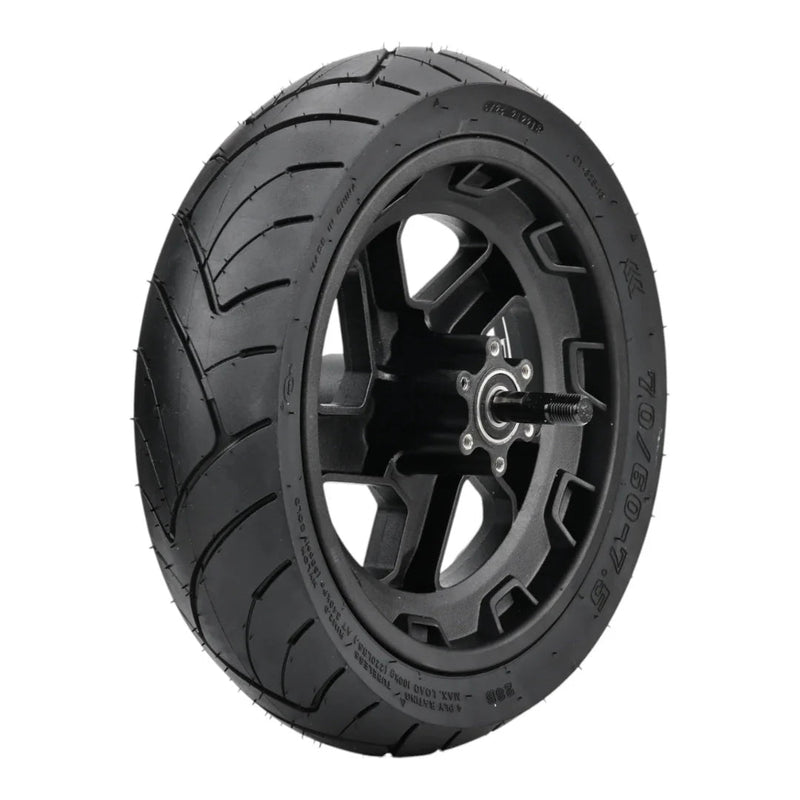
- Tyres and inner tubes. One of the most common jobs – allow an hour or more the first time. Our guide to changing an electric scooter tyre takes you through it step by step, including the motor cable and what to do with solid tyres.
- Brakes. A cable brake that has lost its bite often just needs tensioning with the adjuster at the lever or at the brake. On disc brakes you replace worn or oily pads: weak braking, a loud howl when braking in the dry or a lever that travels further than it used to are typical signs, as BikeRadar explains for bikes – and swapping them is a quick job. Drum brakes are adjusted with the cable; don’t open the drum itself. Spongy hydraulic brakes need bleeding, which many riders leave to a workshop. Always test the brakes at low speed afterwards, and if you’re unsure, let a workshop do the brakes. Pads, discs and cables are in electric scooter brakes.
- Grips, lights, reflectors and mudguard. Usually a few screws and a connector. Take a photo of how the cable runs before you undo anything.
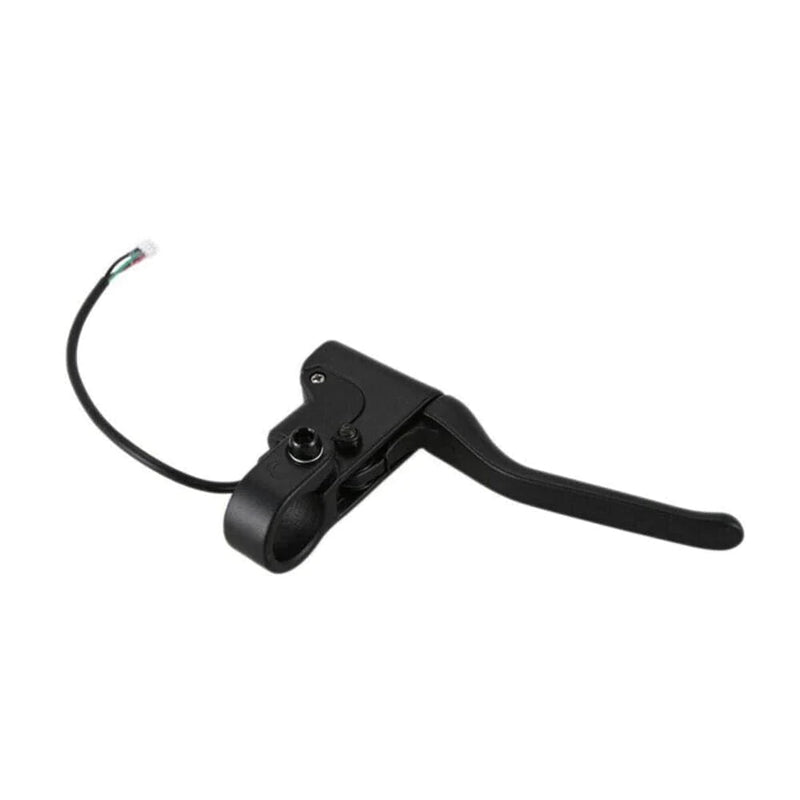
- Throttle and brake levers. They sit on the handlebar and on many models plug in with a connector. Choose a part made for your model – connectors differ between brands and versions. See electric scooter throttles.
- Play in the stem. The folding mechanism often has an adjustment screw or lever that takes up the play. If the parts are worn, there are folding mechanism parts for many models.
- Loose screws. Tighten them, and use thread locker where the manual says so.
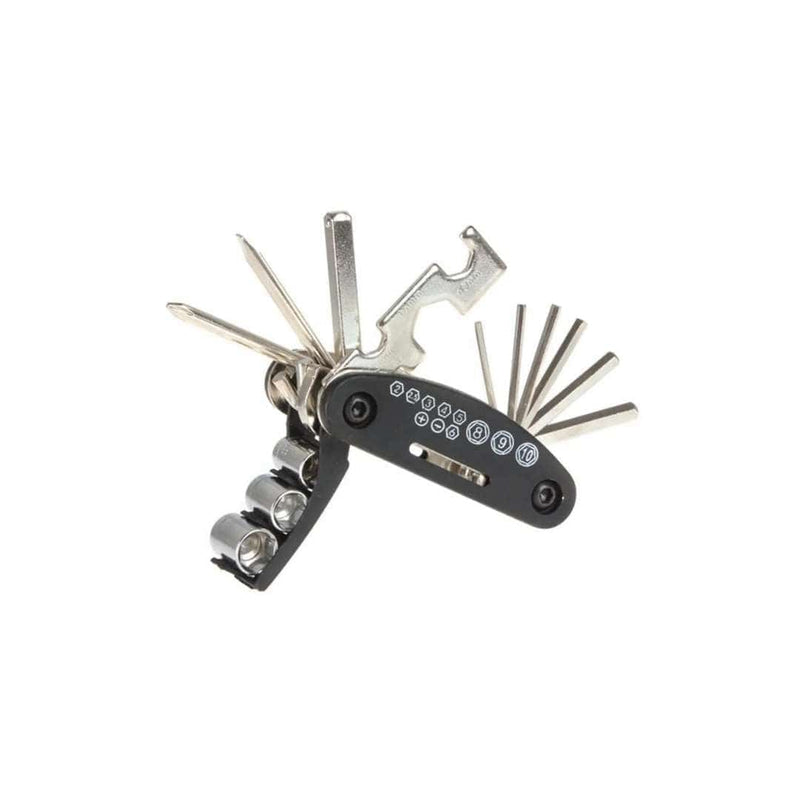
The tools you need are usually Allen keys in the right sizes, a socket for the axle nuts and ideally a torque wrench. Tyre levers, puncture kits and multi-tools are in our electric scooter tools collection. Always switch the scooter off and unplug the charger before you start, take photos before you take anything apart and keep the screws in a separate bowl for each part. It saves a lot of hunting around when everything goes back together.
What to leave alone
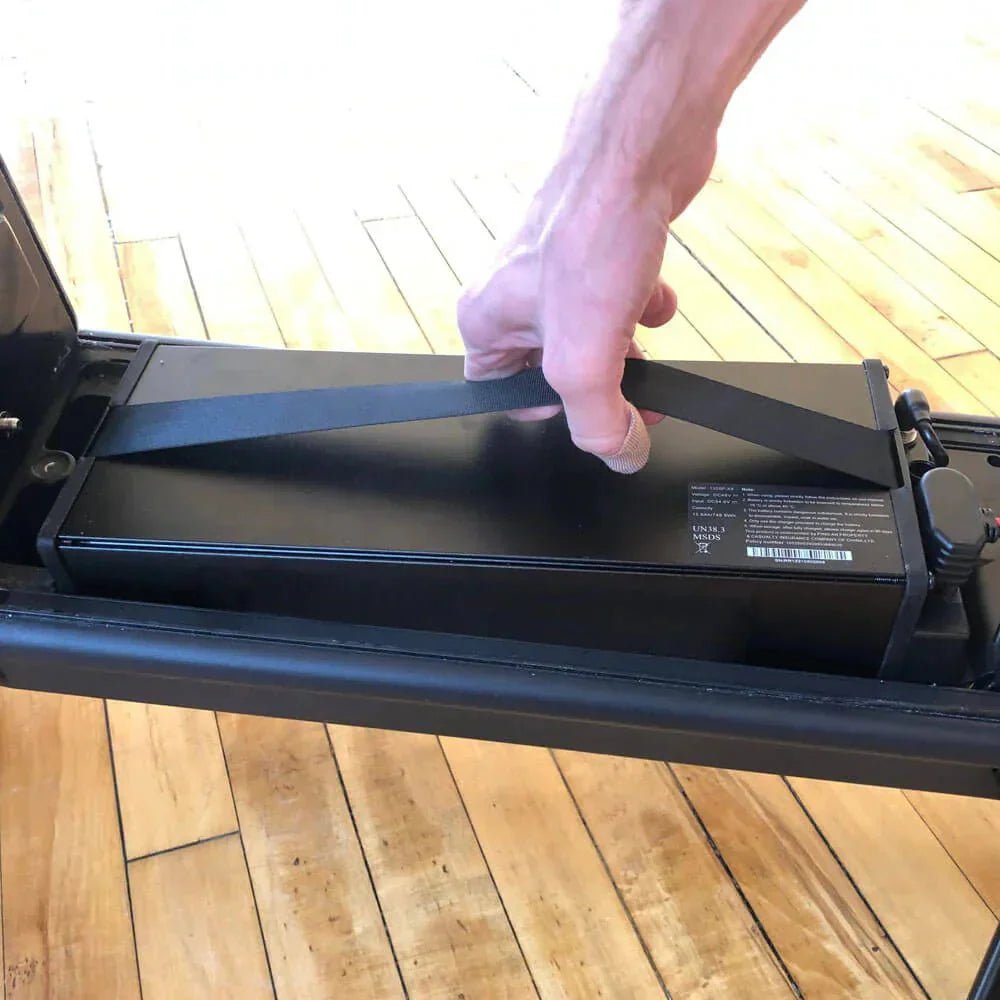
- Opening the battery. A damaged lithium-ion battery can catch fire. If it gets unusually hot, swells, leaks, gives off a strong chemical smell or makes hissing or crackling sounds, stop using it, switch the scooter off and unplug the charger, London Fire Brigade advises. If it smokes or catches fire, get out and call the emergency number – 112 anywhere in the EU. How to tell when a battery is worn out – and what your options are then – is covered in our guide to charging an electric scooter battery.
- Soldering the controller or opening the motor. On some models you can swap the whole controller for an identical one if you’re comfortable with connectors and wiring. Repairing the circuit board or opening the hub motor is workshop work.
- Riding with cracks. A crack in the frame, the stem or the folding joint shouldn’t be welded or patched up. Replace the part or have a workshop assess it.
- Flashing custom firmware. Flashing tools and modified firmware for more speed can trigger new error codes, and modifications aren’t covered by the warranty.
The right part for your model – how to compare
Almost every part is model-specific, and sometimes parts even differ between two versions of the same model. Start with the full model name and the serial number – they’re usually on a label under the deck or on the stem. Then compare your old part with the product photo: the tyre size, the voltage and plug on the charger and battery, the number of pins in the connectors and where the screw holes are.
The easiest way is to pick your brand and model in the spare parts finder – it only shows parts listed for that exact model. If you’d rather browse by type of part, everything is in electric scooter spare parts. Can’t find the part? Email customer service with the model name, the serial number and a photo of the old part and its markings. If our suppliers have it, we can try to order it for you. A special order like this takes longer – up to 20 working days – and we take these requests by email or through the contact form, not in the chat.
Repair or buy new – how to do the maths
A tyre, a pair of brake pads or a new grip is almost always worth replacing. It gets trickier when expensive parts fail on a scooter that’s a few years old. Add up:
- what the parts cost, including shipping
- what a workshop charges for the job, if you’re not doing it yourself
- how old the battery is – a worn battery means short range even if everything else is fixed
- whether parts are still available for your model
If the fault points to the battery or the motor wheel on an older scooter, compare the total with the price of a new one – especially if other parts are starting to wear too. The battery is often one of the most expensive parts, so rule out the charger, the charging port and the cables before you order a new one.
When a workshop is the right call – and how to find one
Take the scooter in when the fault is in the battery, the controller or the motor, when you’re unsure about the brakes, or when you simply can’t find the fault. You can’t hand it in to us, but if a warranty claim is approved we arrange the repair – report the fault first, as described above.
Not every bike shop works on electric scooters, so call before you go: give the make and model, ask whether they’ll take the job, and look for workshops that specialise in e-scooters. Bring the model name, the error code if there is one, a short video of the fault – and the charger if the problem could be charging-related. If you’ve already bought the part, ask whether they’ll fit it; not every workshop will.
Ask for a written quote before any work starts, and agree that the workshop calls you before doing anything beyond it. That way there are no surprises when you collect the scooter.
How to avoid the next repair
A lot of what breaks on an electric scooter is wear: tyres ridden at too low a pressure, brake pads nobody checked and screws that have rattled loose. As Cycling UK says about bikes, a few simple checks keep the ride safe and make the machine last longer. A few minutes a month goes a long way – go through the tyres, brakes, screws and folding joint with our guide on how to maintain your electric scooter. Avoid leaving it outside in a downpour, and give the electronics a little extra care when it turns cold – more on that in our guide to electric scooters in winter.