
We went through a year of sales at Wheelyshop to see which electric scooters our customers actually choose – and what breaks afterwards. Here is what we found, and what it means if you are thinking about buying one.
Which electric scooter do our customers buy most?
Our best-selling electric scooter over the last twelve months was the KuKirin G2, ahead of the Ninebot Max G3 and the NAVEE NT5 Ultra X. Most people pick a mid-range model: about half of the e-scooters we sold cost 5,000–10,000 SEK, roughly €450–900. Tyres and brakes are the parts replaced most often, and most purchases happen between May and August.
Top 5 – the best-selling models
The list is based on units sold in the twelve months to 15 October 2026. Variants of the same model are counted separately.
- KuKirin G2 – read our guide to the KuKirin range.
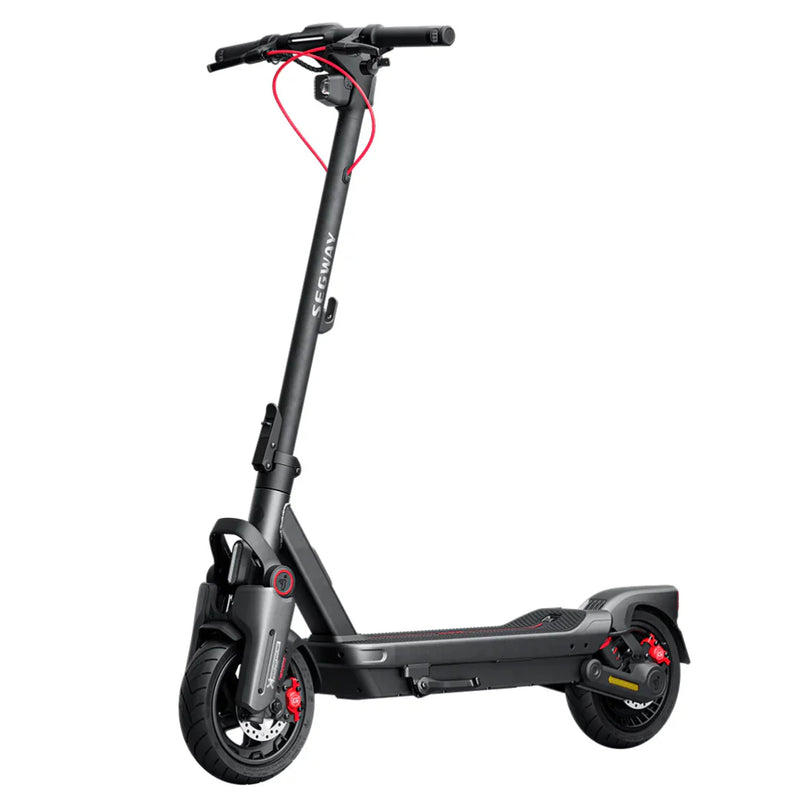
- Ninebot Max G3 by Segway.
- NAVEE NT5 Ultra X – see our NAVEE review.
- Wheely T1 Pro – Wheely is our own brand, so it gets extra visibility in our shop.
- Nanrobot H1.
What does an electric scooter cost in practice?
The mid-range wins. About half of the e-scooters we sold were priced at 5,000–10,000 SEK (roughly €450–900), and only a small share cost more than 25,000 SEK (about €2,200). In that range you usually get a battery that covers a normal commute, better brakes and tyres that cope with real roads.
A common mistake is to compare peak power and claimed range. Look at rated power, battery capacity in Wh, weight and tyre type instead. Our guide how many watts an electric scooter needs explains the numbers.
Tyres and brakes wear out first
Spare-part orders show what really takes a beating. Tyres and inner tubes, along with brake parts (pads, discs and levers) top the list, followed by throttles, displays and mudguards. Chargers, batteries and controllers are replaced far less often.
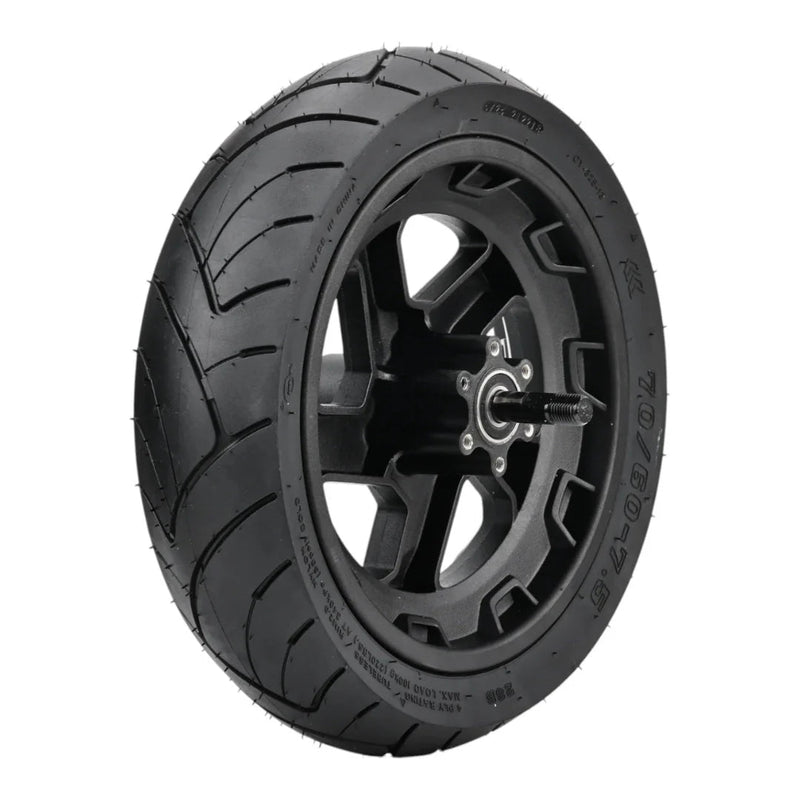
- Punctures are the most common reason an e-scooter ends up standing still. Thinking about puncture-proof tyres? Read solid vs pneumatic tyres. If you change a tyre yourself, our guide on changing an electric scooter tyre walks you through it.
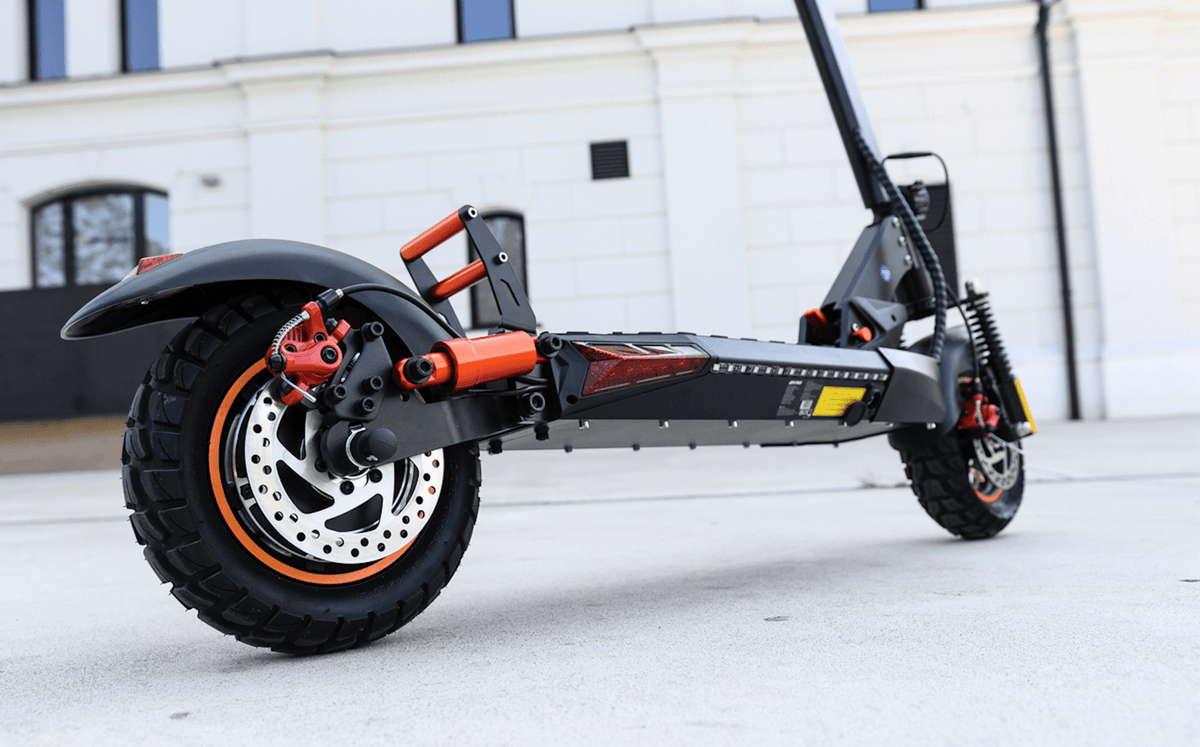
- Brake pads are consumables. Listen for squealing and check whether the brake lever travels further than usual.
- Most repairs can be done at home. Read our guide to repairing an electric scooter yourself or find the right part among our electric scooter spare parts.
Tip before you buy: choose a model with easy access to tyres and brake pads. Popular models usually have the best parts supply.
Summer is peak season – but winter can be smarter
Most purchases happen between May and August, with July as the busiest month and February the quietest. Buy in winter or early spring and you have time to get to know your scooter before the season starts. Riding all year? Read riding an electric scooter in winter. For a battery that lasts, see how to charge it properly.
Locks and helmets are the usual add-ons
Locks and helmets are our best-selling accessories, and a smart combination lock was the single most popular one. There is no EU-wide e-scooter law: speed limits, helmet rules and insurance requirements depend on the country, as Your Europe explains. Our overview of electric scooter laws in Europe covers each country. Need a helmet? Browse our helmets.
How we produced the figures
- Sales: aggregated statistics from our shop platform, twelve months to 15 October 2026, units sold after returns.
- Price ranges: approximate regular price including VAT per model sold, in Swedish kronor. Discounts are not deducted. Euro amounts use the ECB rate of 15 October 2026 and are rounded.
- Season: full calendar months, November 2025–September 2026.
All data is anonymous and aggregated. No personal data or individual orders are included. The figures reflect our customers, not the whole market, and our own brand Wheely naturally gets more visibility with us than in other shops.
You are welcome to quote the results with a link to this page: Source: Wheelyshop, Electric Scooter Report 2026 (sales data for the 12 months to 15 October 2026). Media enquiries: info@wheelyshop.com.