










Buying guide
Men's electric bike – mens e-bikes with a stable frame, power and range for commuting and leisure
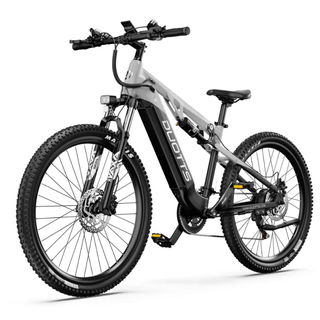
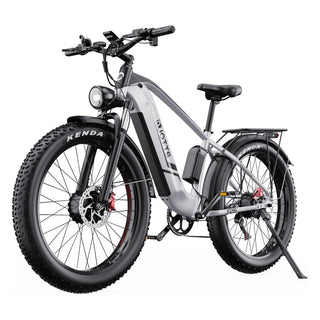
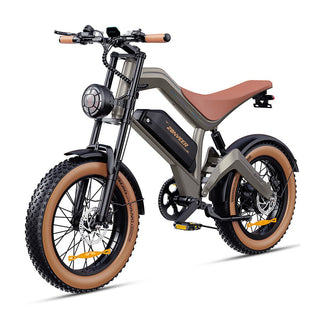
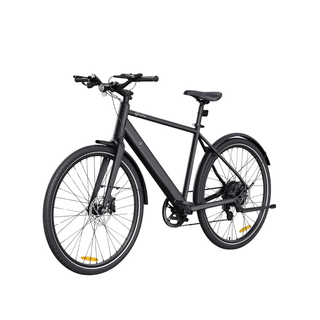
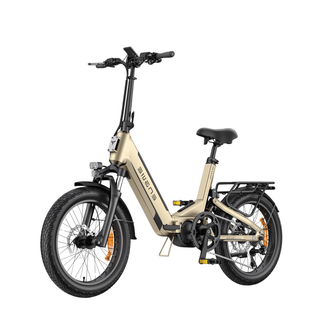
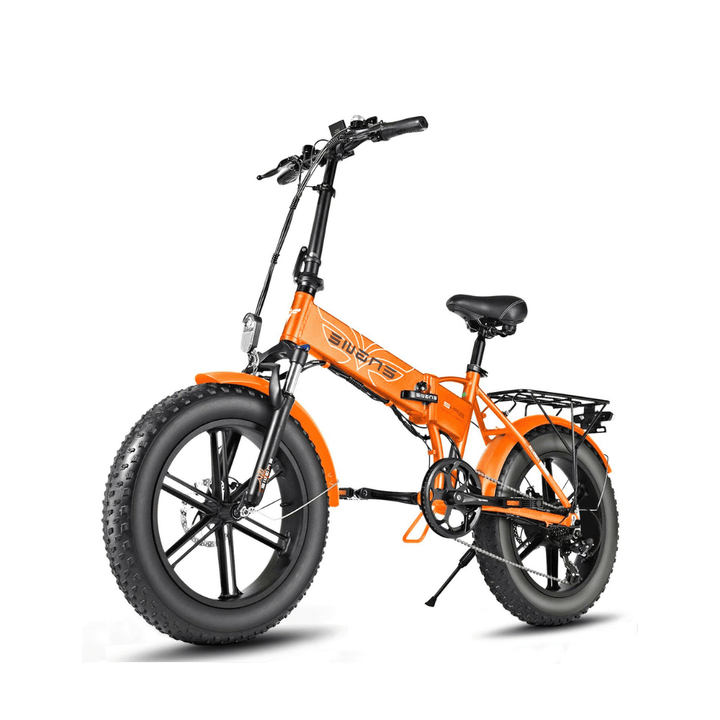
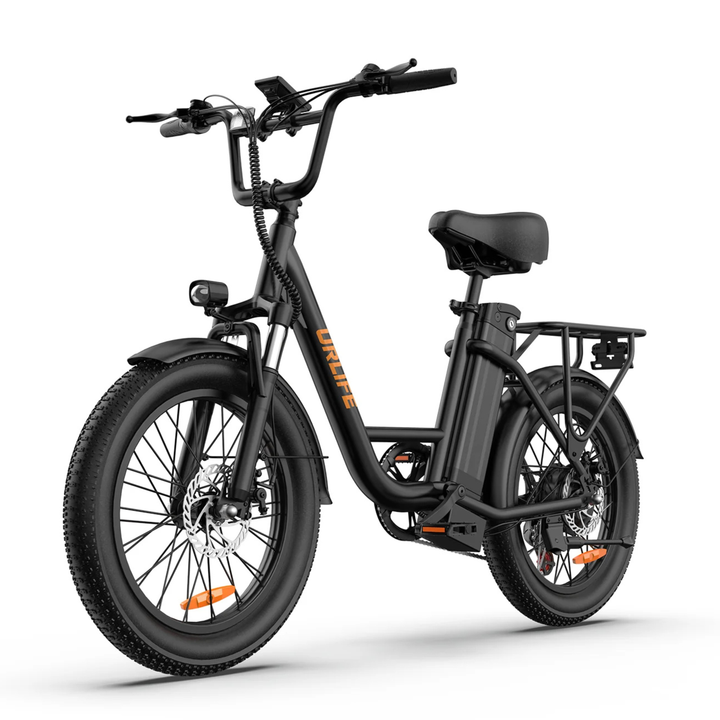
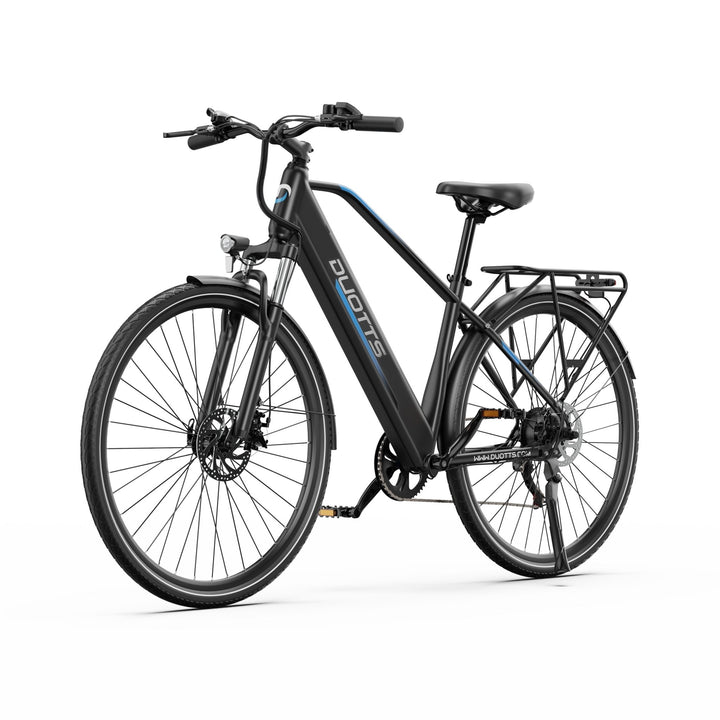
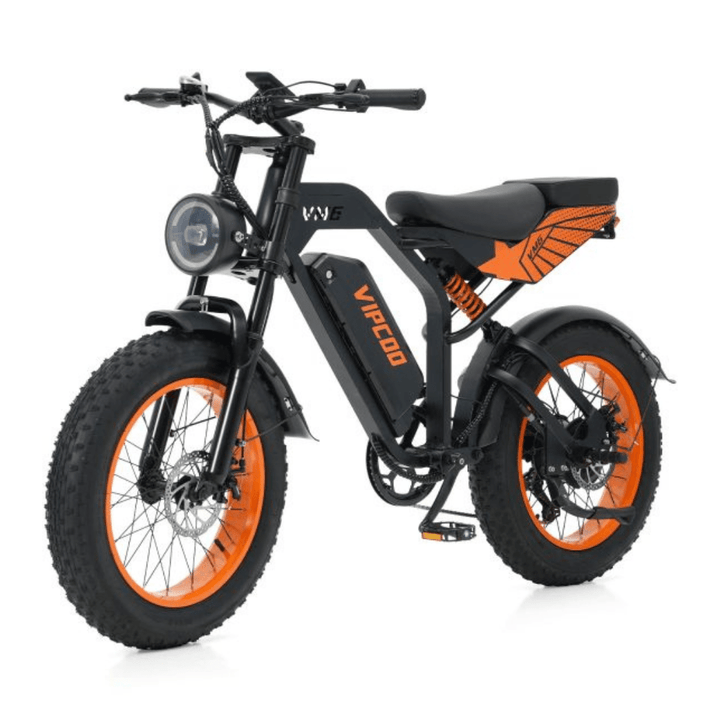
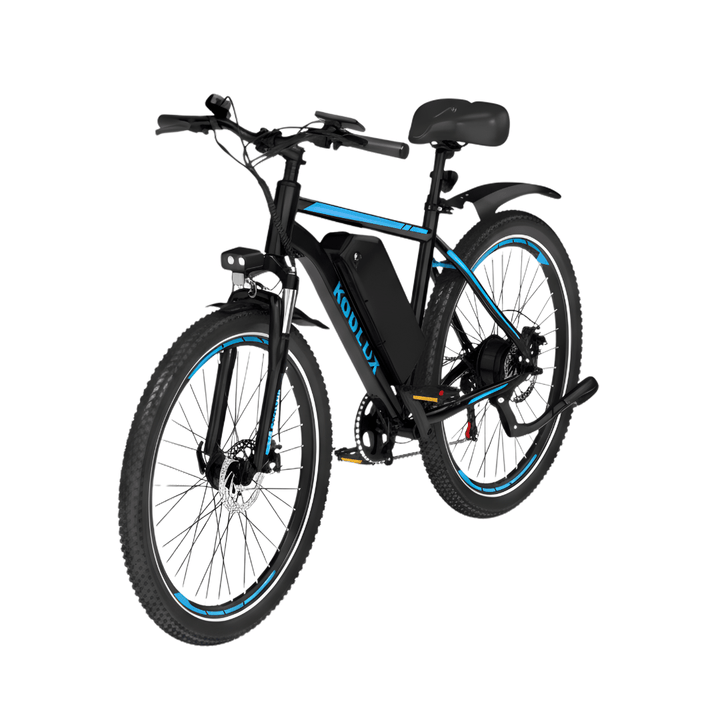
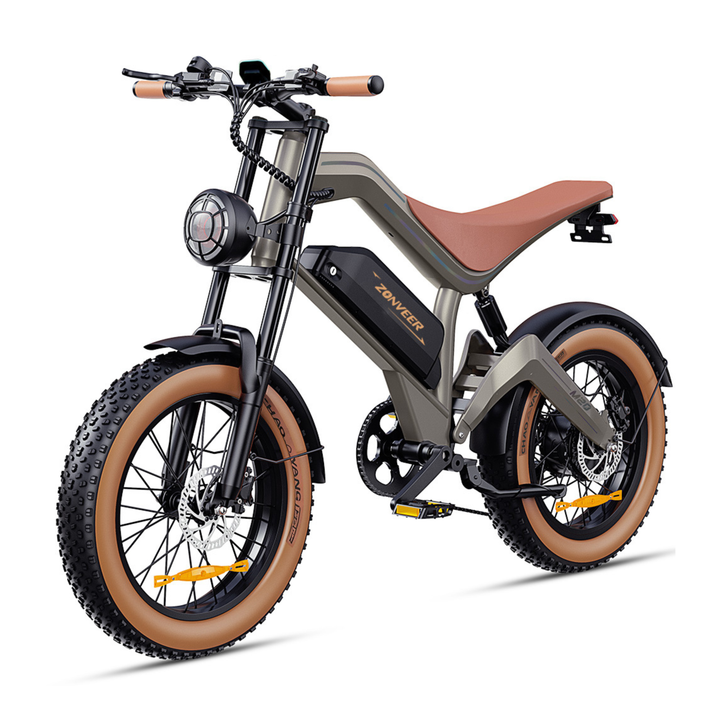
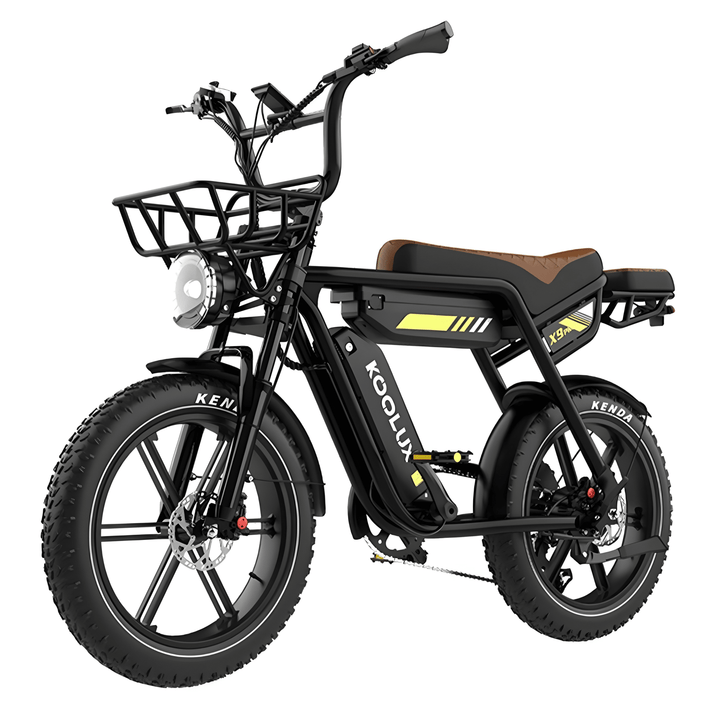
A men's e-bike has a straight frame, a stable feel at higher speed and often a sportier riding position – built for longer commutes, training and gravel or hilly terrain. At Wheelyshop you find men's e-bikes from brands like ENGWE, VARUN, Duotts, OneSport and KOOLUX. Compare motor, battery, range and weight in the filter and find the right model. Every model ships with free delivery, a 2-year warranty (in addition to your statutory rights) and the option to pay in instalments.
In short
- A men's electric bike means a straight frame, often with a sportier position – stiffer and more stable at speed, but a higher step-over.
- Torque in Nm and battery capacity in Wh say more about everyday use than peak power.
- Calculate range on your return journey and add a margin for cold, hills and luggage.
- Pedelec: max 250 W, assistance up to 25 km/h – no licence or compulsory insurance in most EU countries.
- Compare the last two candidates on the same data before you decide.
How to choose the best men's electric bike 2026
Start from how and where you ride: daily commuting, training, longer weekend rides or mixed surfaces. That decides which motor, battery and frame suit you – more than any model name. Note distance, hills, storage and whether the bike must be carried or loaded into a car before comparing prices.
1. Men's electric bike with a straight frame – riding position and stability
A men's model has a straight, high frame that gives stiffness and efficient power transfer. That is appreciated at higher speed, with luggage and on hilly routes. The trade-off is a higher step-over, so if you want to get on and off easily at frequent stops a step-through e-bike is often more comfortable. The choice is about ergonomics, not gender – read more in our guide to step-through vs step-over e-bikes.
2. Motor and torque
- Torque (Nm) decides how easily the bike climbs with load – more important than peak power.
- A mid-drive motor gives even power and a natural bike feel; a hub motor is simpler and often cheaper.
- Sensor: a torque sensor senses how hard you pedal and gives smoother assistance than a cadence sensor.
- Gears let the motor work efficiently both on hills and on flat roads.
3. Range and battery for commuting
The stated range is measured under the manufacturer's test conditions and drops in cold, headwind, hills and with load. Compare battery capacity in Wh, charging time and whether the battery is removable. Calculate your return journey and add a margin. Our practical tips to get more range from every charge apply to e-bikes too.
4. Men's electric bike 28 inch, folding or fat bike – choose by use
- Commuting – rack, mudguards, lights and range with a margin.
- Gravel and uneven roads – wider tyres or a fat bike, suspension and strong brakes.
- Training – lower weight and the option to ride with little or no assistance.
- Little storage space – a folding model or 20-inch wheels.
5. Rules in the EU
In the EU an e-bike counts as a bicycle when the motor has at most 250 W, only assists while you pedal and cuts out at 25 km/h. No licence, registration or compulsory insurance is then required and you may use cycle paths. Lights and reflectors are required in the dark; helmet and age rules differ by country – see Your Europe's country-by-country road rules. Add a lock and a helmet, and find wear parts in the spare-parts portal. The EU rules on pedal assistance, throttles and speed limits are explained in our guide to electric bike laws in Europe.
Final comparison – compare the last two candidates
When only two candidates remain, record the same information for both:
- Motor power, torque and motor position
- Battery capacity in Wh, charging time and removable battery
- Stated range and test conditions
- Weight, frame size and recommended rider height
- Tyres, brakes, gears and maximum load
Mark missing information instead of guessing and choose the model whose whole package works for your journey, storage and servicing. A smaller selection is in our e-bike top list, offers under e-bike deals and the full range under electric bikes.
Frequently asked questions
What sets a men's e-bike apart from a step-through e-bike?
The frame. A men's model has a straight, high frame that feels stiffer and more stable at speed, while a step-through model has a low step-through. The riding position depends on the handlebars and geometry, not the frame type. Motor, battery and assistance work the same way – choose by how you ride. More in our guide to step-through vs step-over e-bikes.
How powerful a motor does a men's electric bike need?
For a pedelec the power is limited to 250 W, so compare torque in Nm instead: 40–50 Nm is enough on flat ground, 60 Nm or more makes a difference on hills and with luggage. Motor position and sensor type also affect how the assistance feels.
What range does a men's electric bike have on one charge?
Most men's e-bikes state 50–120 km depending on battery capacity and assist mode. Real-world range is lower in cold, headwind, hills and with load, so calculate your return journey and add a margin.
Do I need a licence, helmet or insurance for a men's e-bike?
A pedelec (max 250 W, assistance up to 25 km/h) needs no licence, registration or compulsory insurance in most EU countries. Helmet and age rules differ by country – we recommend a helmet for everyone. Theft is often covered by home insurance – check the limit and lock requirements.
How do I maintain the e-bike for the longest life?
Keep the right tyre pressure, lubricate the chain, check brakes and bolts regularly and charge the battery at room temperature before it is completely empty. Rinse off salt after winter riding. Wear parts for your model are in the spare-parts portal.