
Sooner or later the same question turns up in almost every e-bike thread: “I’m a guy – is it weird to buy a women’s bike?” The answer from people who have ridden for a while is usually short: no. The labels men’s and women’s date from a time when skirts were everyday wear. Today they mostly describe how the frame is built – and the frame is what you should be choosing.
What’s the difference between men’s and women’s e-bikes?
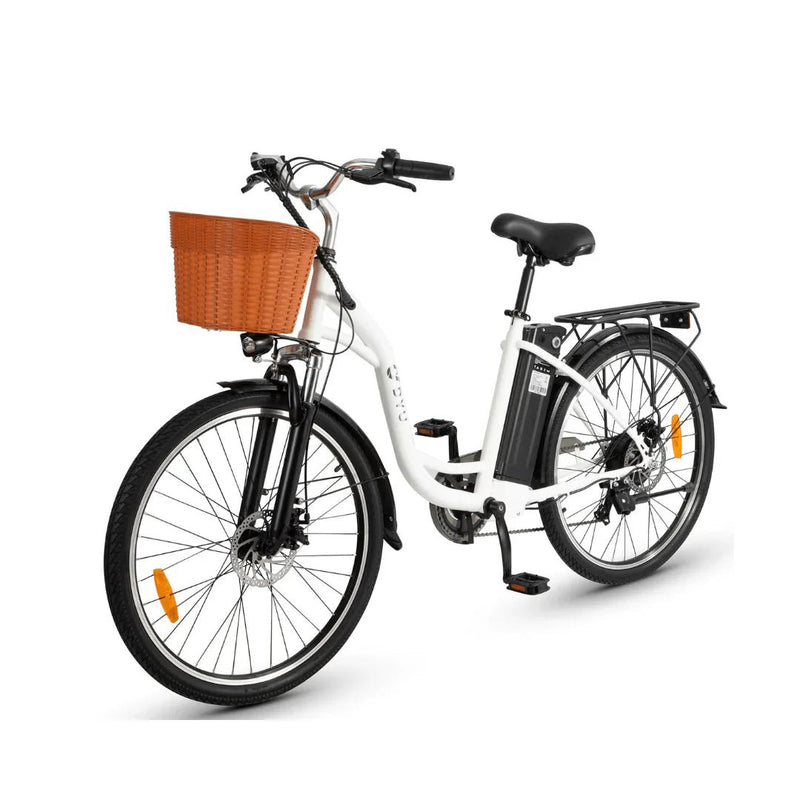
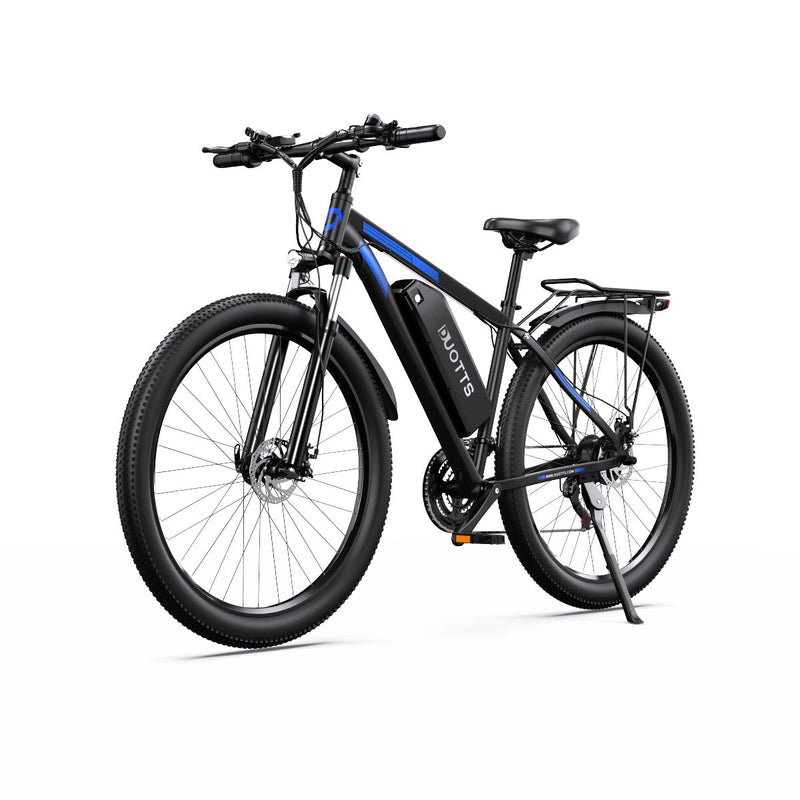
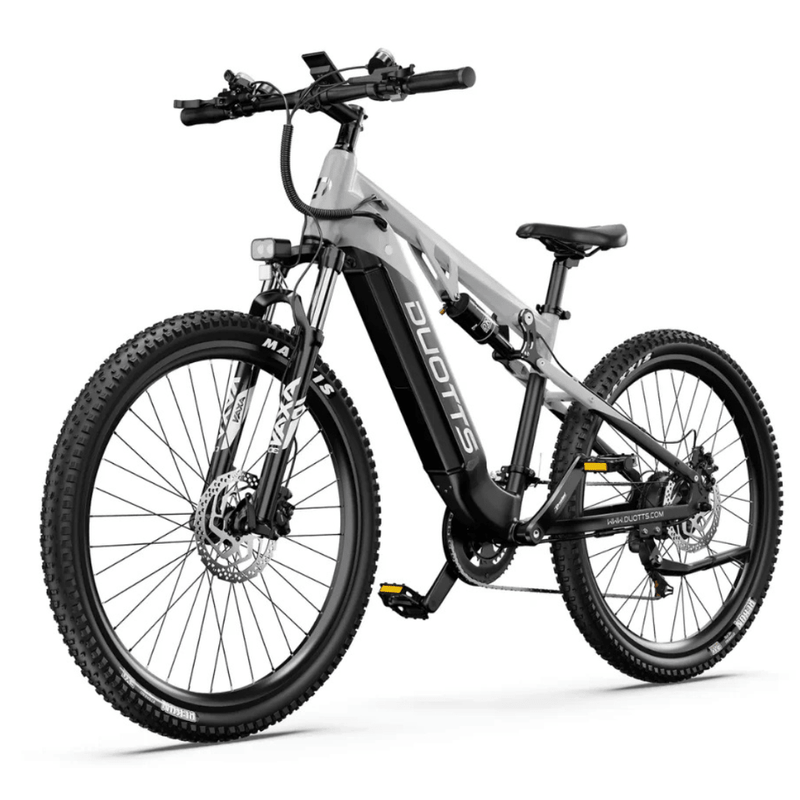
The difference is the frame. A women’s e-bike has a step-through frame: the tube runs low, so you step through the bike instead of swinging a leg over it. A men’s e-bike has a high, straight top tube between the handlebar and the saddle – a step-over frame. Motor, battery, gears and brakes can be exactly the same, and both frame types work for anyone. Choose by how you get on and off, what you carry and which size fits your body – not by the label. In our shop the categories are called women’s electric bike and men’s electric bike, because that is what most people search for. Always look at the picture, though – it is the frame that counts, not the category name.
Three frame types you will come across
Look through the models and you will see three variants in practice:
- Step-over (diamond) frame. The classic “men’s bike” with two triangles and a high top tube. The stiffest design and the easiest to build light.
- Sloping top tube. A halfway house where the top tube slopes down towards the pedals, sometimes sold as mid-step. A little lower to step over, still fairly stiff.
- Step-through. A U- or wave-shaped frame with no top tube, the classic “women’s bike”. You step straight in between the handlebar and the saddle.
| Frame type | Best for | What you live with |
|---|---|---|
| Step-over | Speed, gravel and heavy loads – often with room in the frame for a bottle cage or lock | A high step – awkward with frequent stops and a child seat |
| Sloping top tube | Riders who want a bit of both | You still lift your leg, just not as high |
| Step-through | City traffic with lots of stops, child seats, stiff hips, long coats | The frame is less torsionally stiff and can feel softer with a heavy load, and some car bike racks need an adapter |
Step-through suits more riders than you think
Ride to work in town and you stop at every red light and every crossing. With a step-through you put a foot down and get off without thinking about it. That easy on and off is the main benefit ebiketips highlights in its guide to step-through e-bikes – and the reason so many city e-bike share schemes use this frame. How upright you sit depends on the handlebar and the geometry, not on the step-through itself.
A step-through is usually worth it if you recognise yourself here:
- Rear child seat. Swinging your leg over the saddle with a child in the seat is the classic argument – a step-through solves it completely.
- Loaded rack. With panniers or a crate on the rear rack, you cannot get your leg over the back in the same way.
- Stiff hips, knees or back. Plenty of riders on a step-over end up tilting the bike to the side to get on. A bike that is easy to get on is a bike you keep using.
- Long clothes. Coat, suit or winter jacket – there is nothing to hitch up to get over the frame.
The most common argument against it on the forums is the look. That is your call – weigh it against how often you get on and off. If you plan to commute a lot, it can also pay to work out what you save by leaving the car at home – see our commuting cost comparison with the car.
When a step-over frame is the better choice
A step-over frame is the design that does the most with the least material. You notice it mainly in three situations:
- Higher speed and heavy loads. The stiffness gives a steady feel when you push on or carry a lot – but always check the Max load on the product page. Many step-over models also have a sportier riding position, but that comes from the handlebar and geometry, not from the frame type.
- Gravel and trails. Classic mountain bikes almost always have a straight or sloping frame. For gravel and winter there are also fat bikes with a step-through – compare our fat bikes.
- Room in the frame. The main triangle often has mounts for a bottle cage or a lock, but on e-bikes the battery on the down tube often takes that space. Which lock actually stops a thief is covered in our guide on how to protect your e-bike from theft.
A practical tip if the bike is going on the car: racks that hang the bike by its top tube often need an adapter bar for a step-through frame. Towbar racks that hold the bike by its wheels usually work for both frame types.
Size matters more than the label
A common misconception is that a women’s bike is a smaller bike. It isn’t. In our women’s e-bike category (September 2026) most models are listed for a rider height from around 160 cm up to 190–200 cm – the same range as our other e-bikes. Go by the Rider height in the specification, not by the label. BikeRadar makes the same point in Do you need a women’s bike?: anyone can ride any bike as long as it fits, and many bikes sold as women’s models are a unisex frame with a different saddle, handlebar and other contact points.
How to check that the bike fits before you order:
- Read the Rider height in the product specification. If you are close to either end of the range – very short or very tall – it is worth comparing more models or asking us.
- Measure your inside leg. Stand against a wall without shoes, pull a book up between your legs until it sits firmly and measure from the floor to the top edge of the book. The figure helps you judge saddle height and whether you can stand over a step-over frame with both feet on the ground.
- Compare with a bike you like. Measure the saddle height and the distance from the saddle to the handlebar on your current bike. The seatpost goes up and down, but the reach to the handlebar mostly follows the frame. If that reach is too long, Cycling UK notes that anyone, whatever their gender, ends up stretched – typically felt as strain in the neck and shoulders within half an hour.
- Think about your hands. If you have small hands, it helps if the brake levers can be adjusted closer to the handlebar.
Wheel size plays a part too: 20-inch wheels with wide tyres make a low bike that suits many heights, while 26–28 inches roll more calmly over longer distances. There is more on wheel sizes in the buying guide on our women’s electric bike page.
Motor, battery and weight – the frame doesn’t decide
The frame type tells you nothing about the motor, the battery or how far you will get. The same motor and battery can sit in both frame styles – some models are sold with a choice of frame, step-through or step-over. Range depends on battery capacity, tyres, weight and how you ride – how to get the most out of every charge is in our guide on how to increase your e-bike’s range.
Weight, on the other hand, is worth thinking about. In theory a step-through frame ends up a little heavier, because the single tube that carries everything has to be stronger – ebiketips notes that quite a few of the step-throughs it has tested come close to 30 kg or go over it. In our women’s e-bike category the models weigh about the same as our other e-bikes: around 30 kg is typical, most are between 25 and 35 kg, and cargo, fat-tyre and moped-style models can weigh over 40 kg. If the bike has to be carried up stairs or lifted onto a bike rack, a removable battery is a clear advantage. The Max load on the product page varies a lot between models – in our range from under 100 kg to around 200 kg. Add up rider, luggage and any child seat and stay below it. If you will be carrying children or lots of luggage, an electric cargo bike is often a better choice than an ordinary e-bike with a child seat.
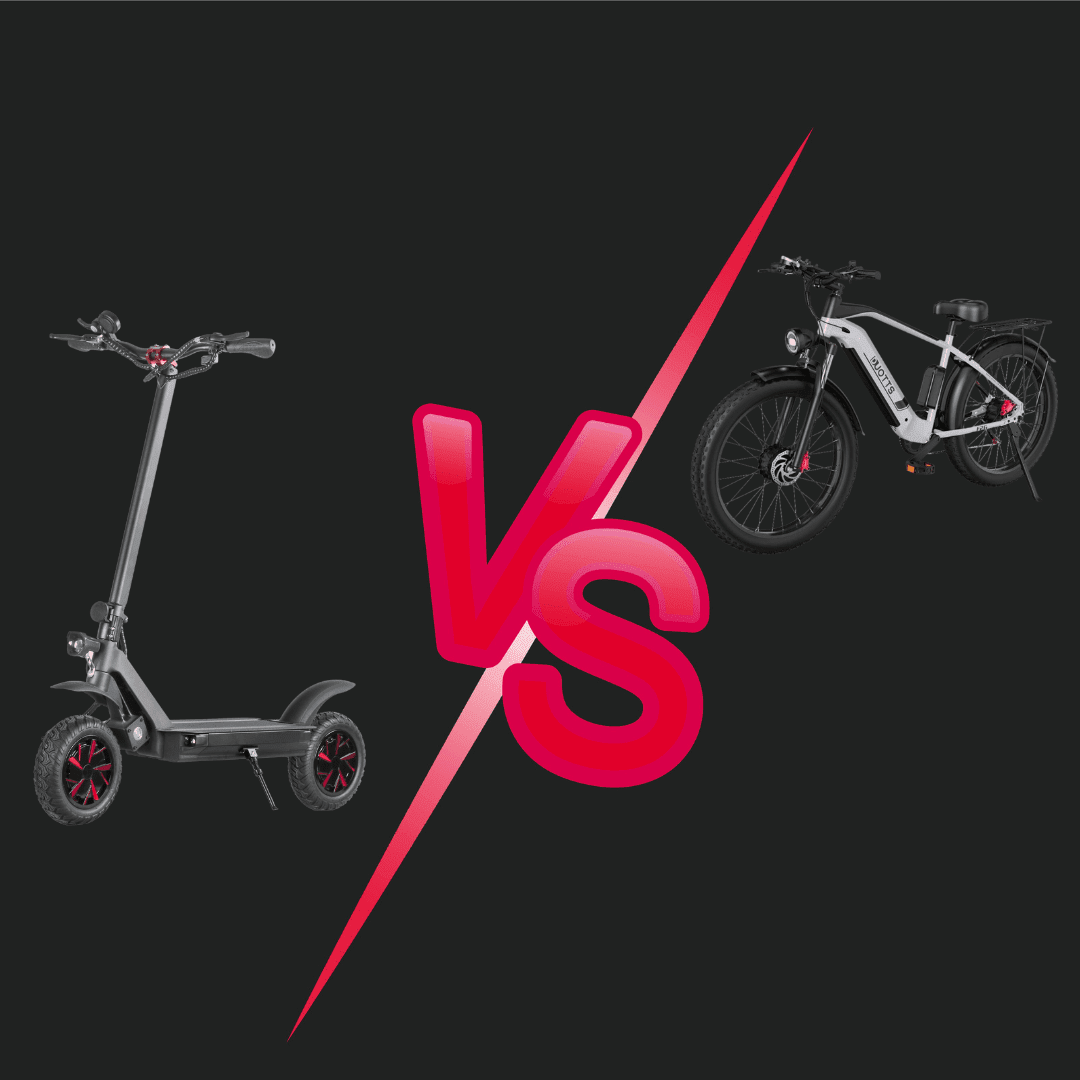
Still weighing up two completely different vehicles? Our comparison electric scooter vs e-bike helps, and last month’s best-selling models are in our e-bike top 10.
Test-ride before you order – how to do it online
The best way to find out which frame suits you is a test ride. If you buy online, do it before you order, not after delivery. Under our returns policy, an electric vehicle that has been ridden – no matter how short the distance – is not taken back. You may unpack it and check that the right model and colour have been delivered, that all parts are included and that it powers on – but do not ride it, indoors or outdoors.
What many online buyers do:
- Borrow a friend’s bike or hire an e-bike for a day with the same frame type and roughly the same wheel size. Feel what it is like to get off and on at a red light.
- Compare Rider height, weight and Max load in the specification of the two models you are torn between.
- Ask about anything that is missing. If a measurement you need is not on the product page, our customer service can find out before you order.
BikeRadar and ebiketips both recommend a test ride where you can get one – ebiketips especially to feel whether a heavy step-through is manageable for you. A hired bike with the same frame answers that question for the price of a day out.
Common mistakes when choosing a men’s or women’s e-bike
- Choosing by the label instead of by the step-in height and how you will actually use the bike.
- Thinking a women’s bike means a small bike. Check the Rider height in the specification – the range is often as wide as on other models.
- Buying a step-over for the looks and then tilting the bike to the side every time you get on, especially with a child seat or a full rack.
- Forgetting the weight. 30 kg is heavy to carry down to a cellar every evening.
- Missing the Max load. Rider, bags and children all count – stay below the figure on the product page.
- Thinking the frame type decides motor and range. Compare motor and battery separately.
Not sure which frame or size suits you? Send our customer service your height and inside-leg measurement, and we will help you compare. You will find every model among our electric bikes.